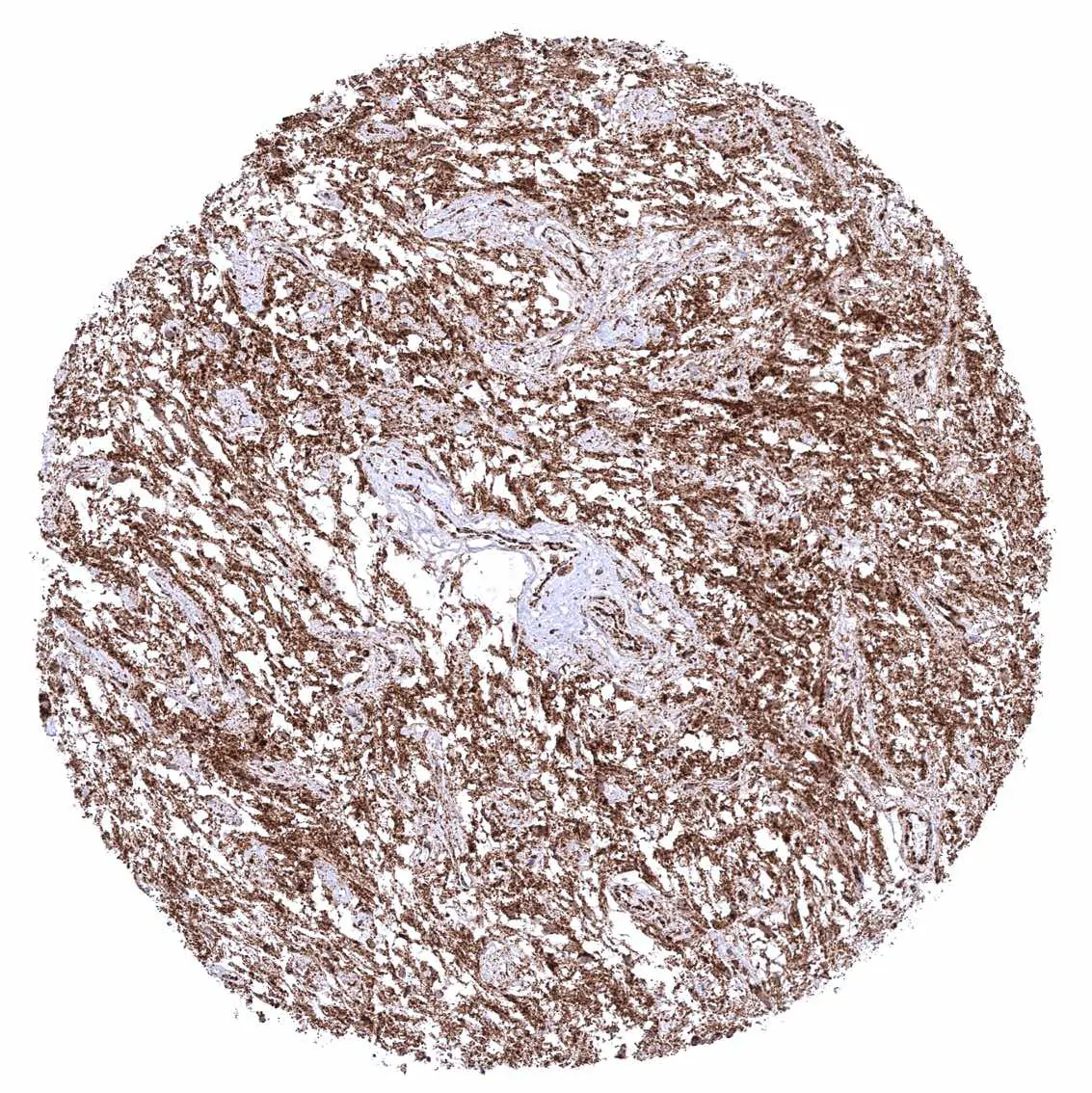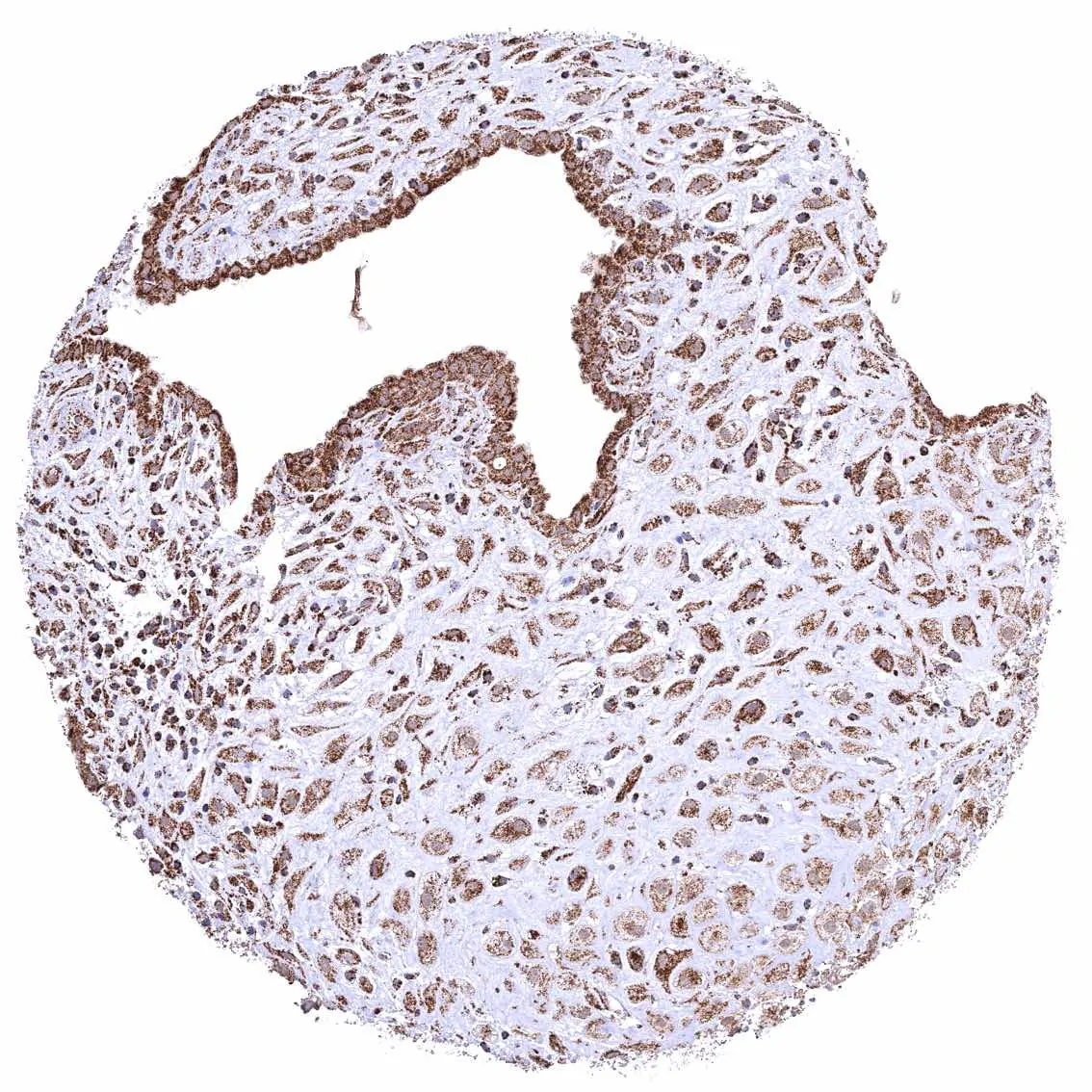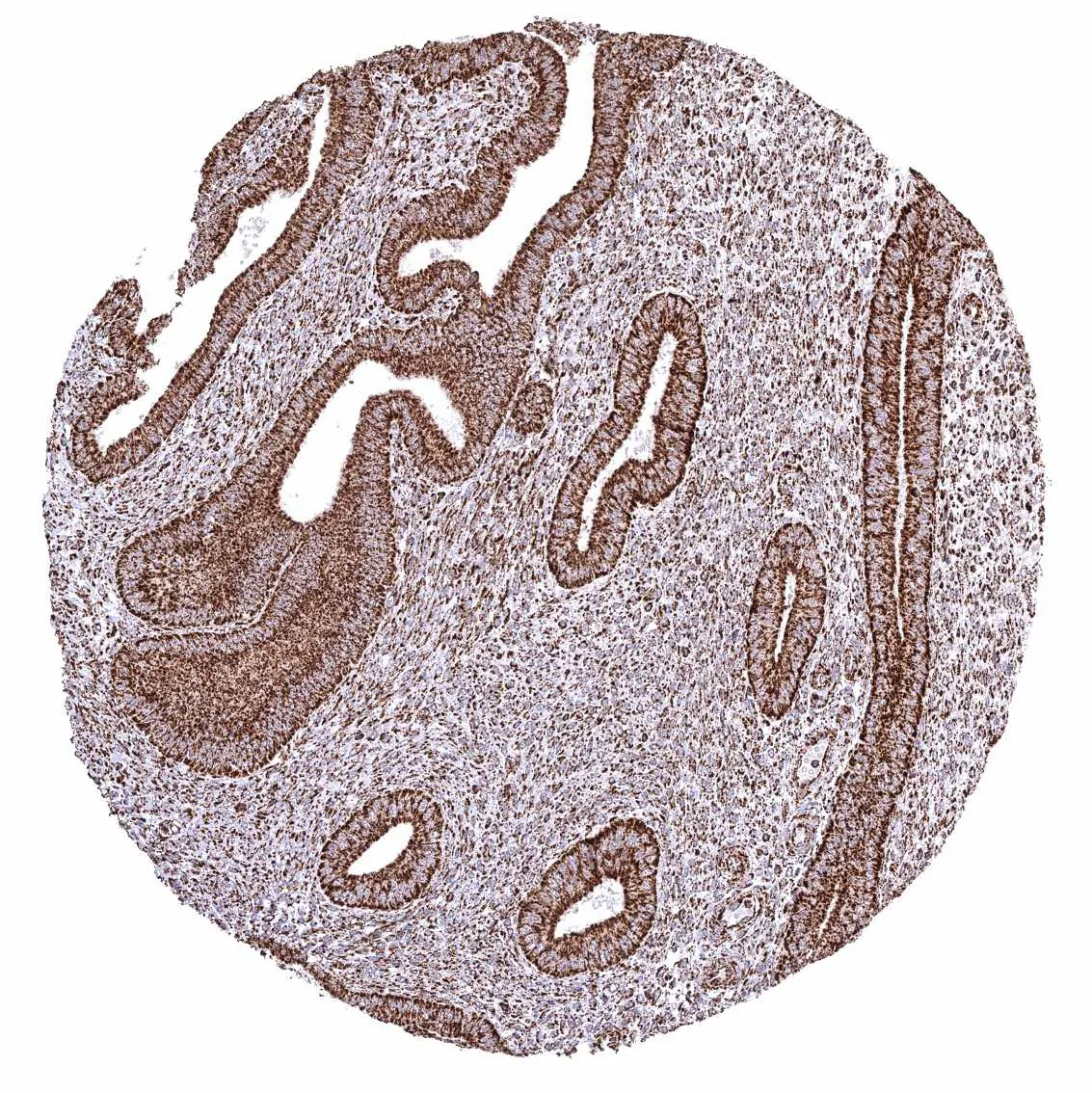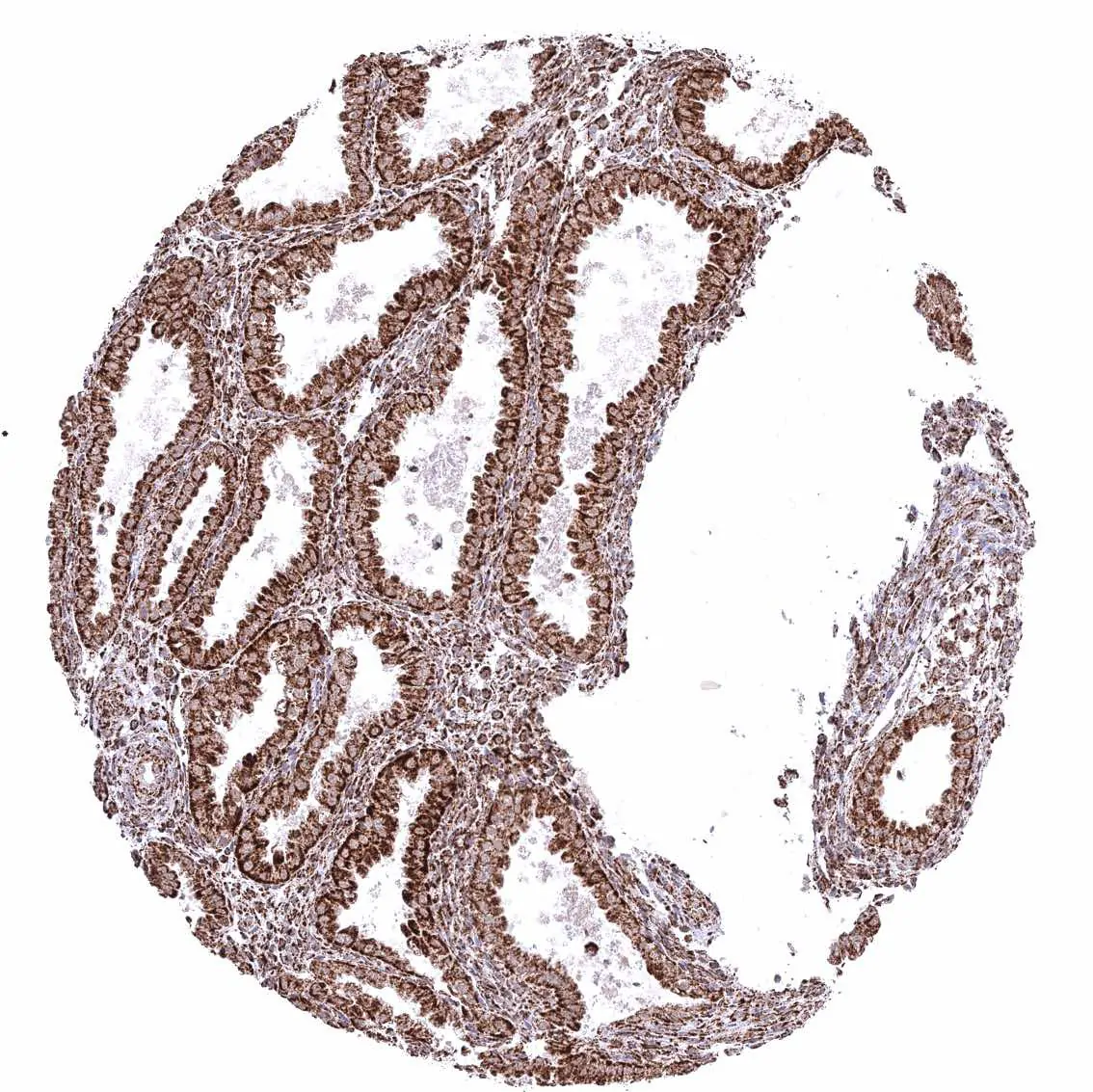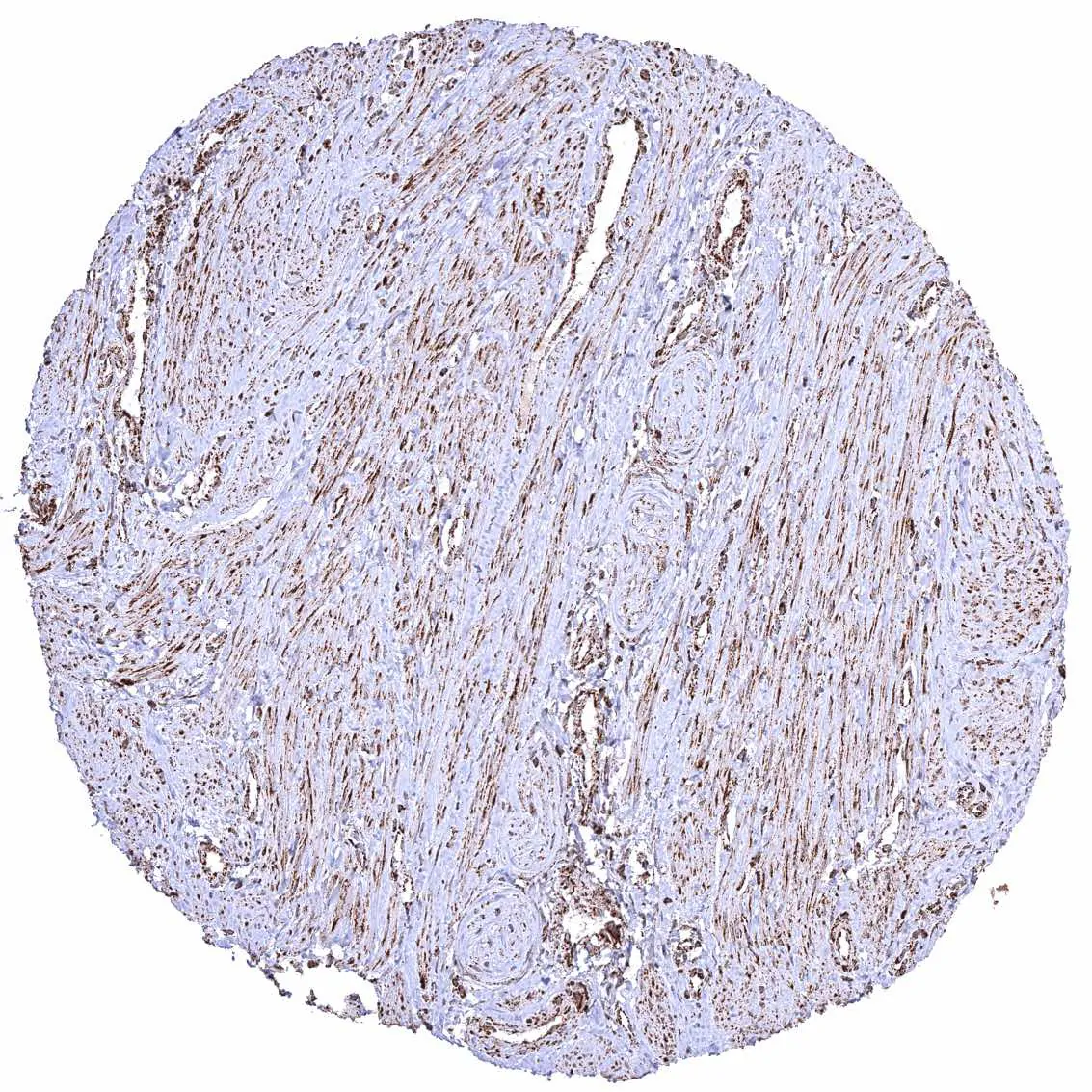
Normal Tissue Gallery- GTX642297

ATP5J antibody [HMV3971] HistoMAX™


 Go back to product page
  

Go to HistoMAX page


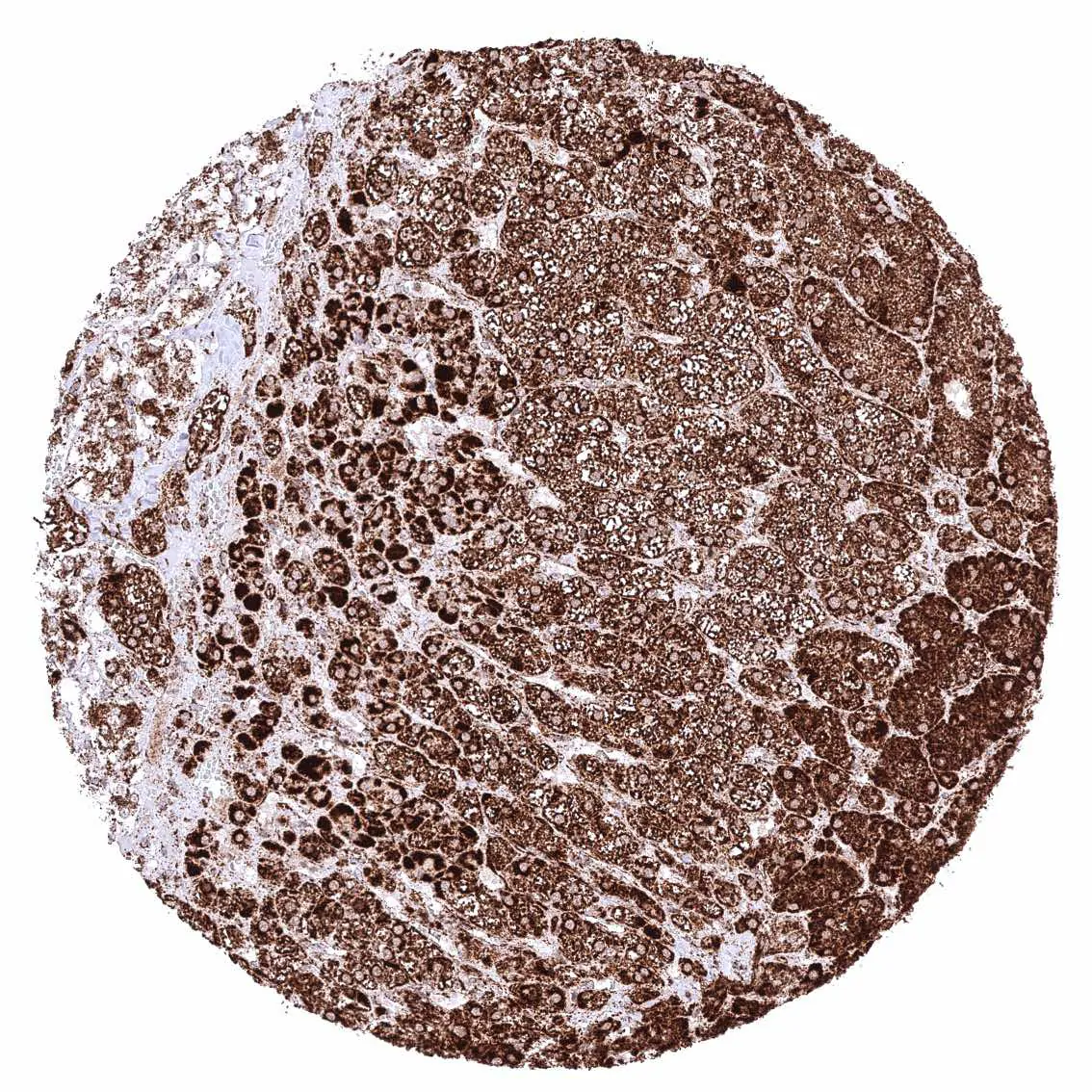
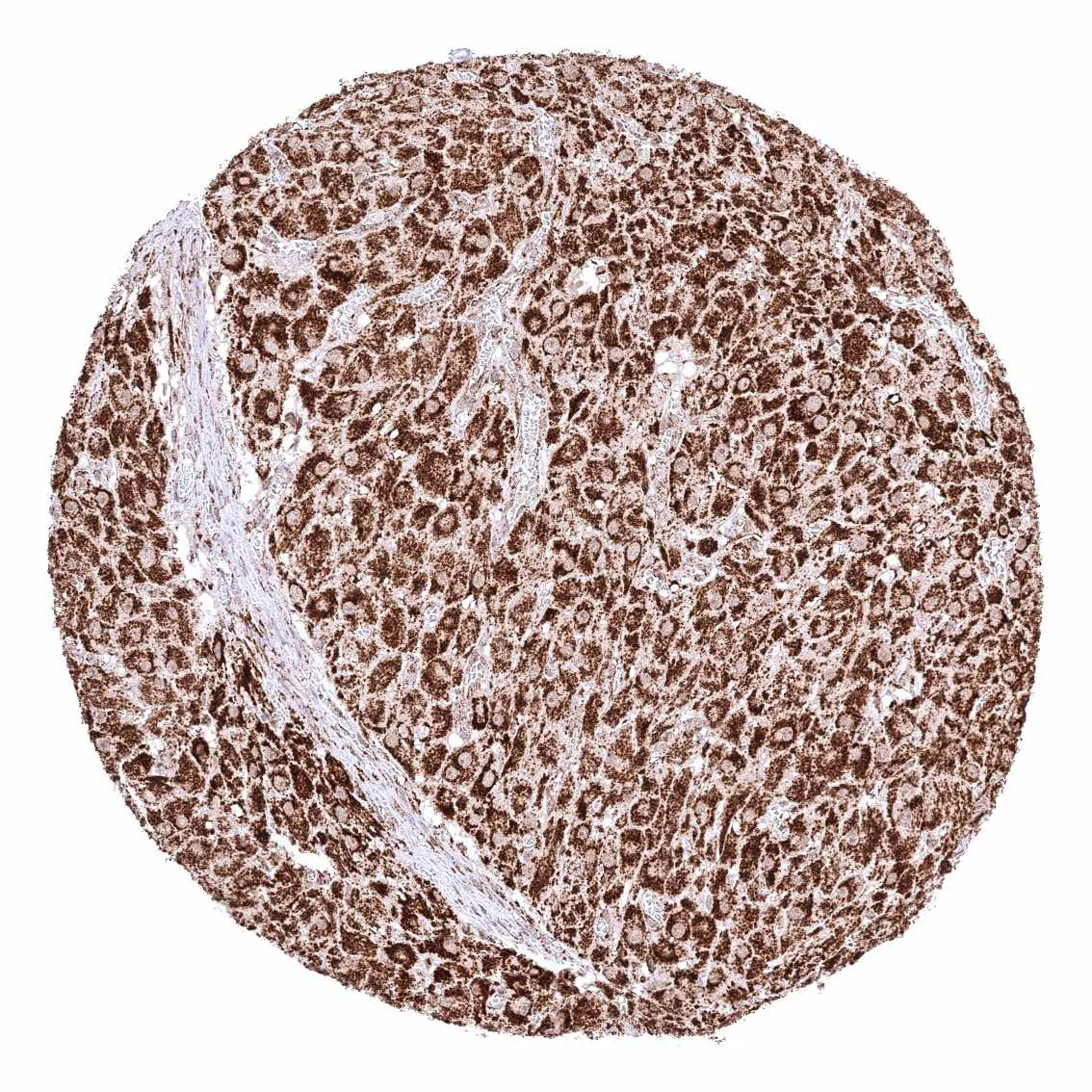
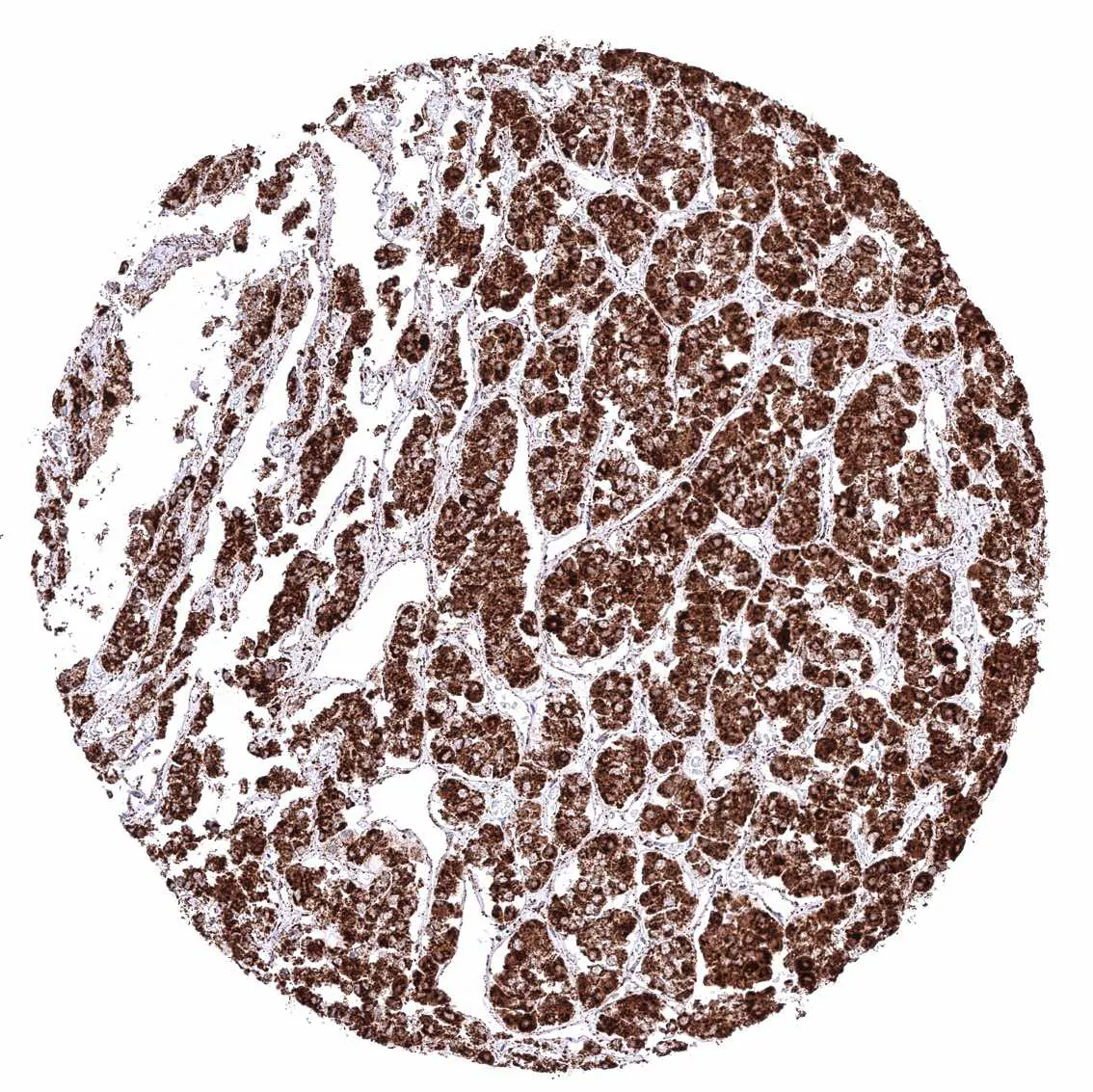
Adrenal gland – Cytoplasmic ATP5J staining occurs in all cell types. It is particularly strong in adrenocortical cells

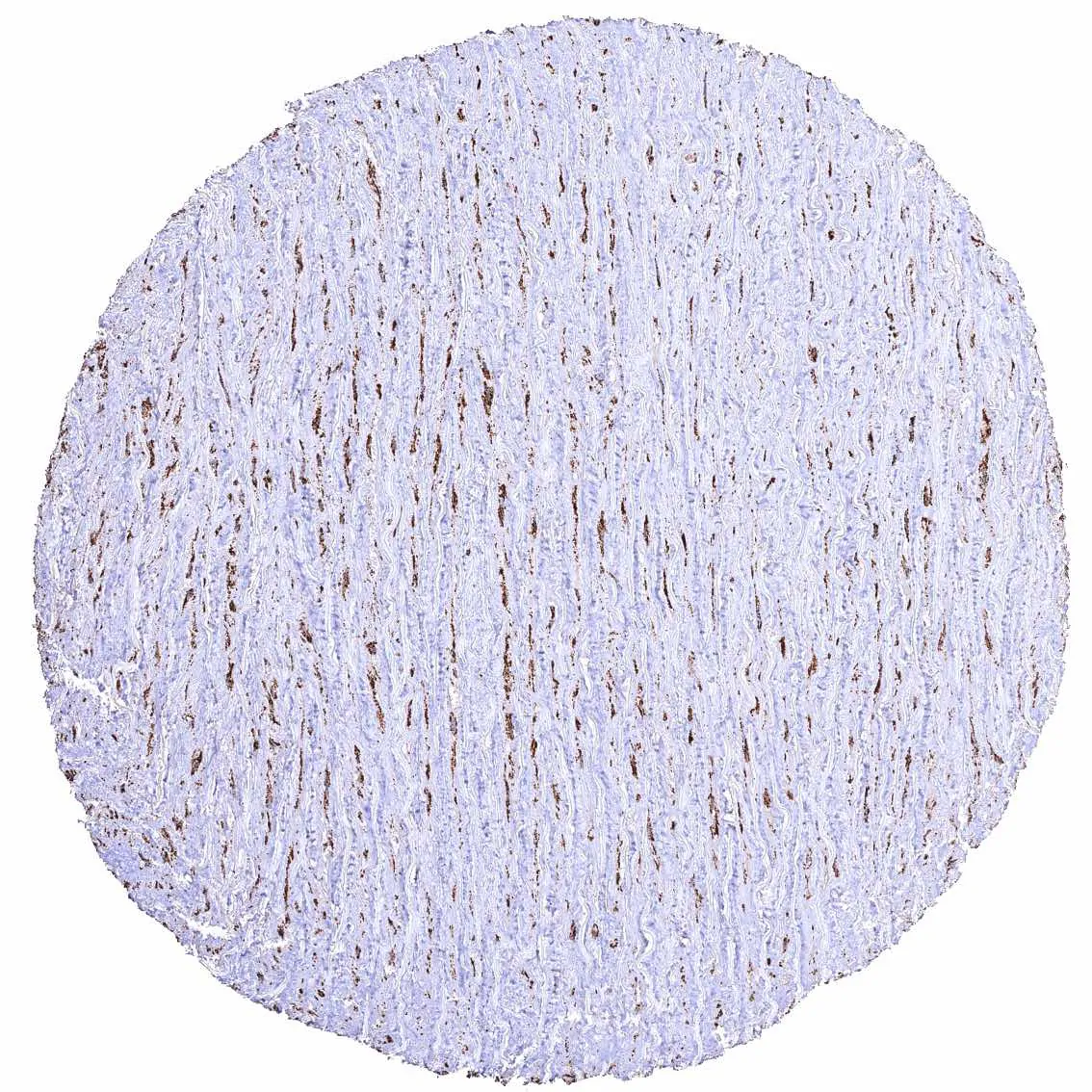
Aorta, media

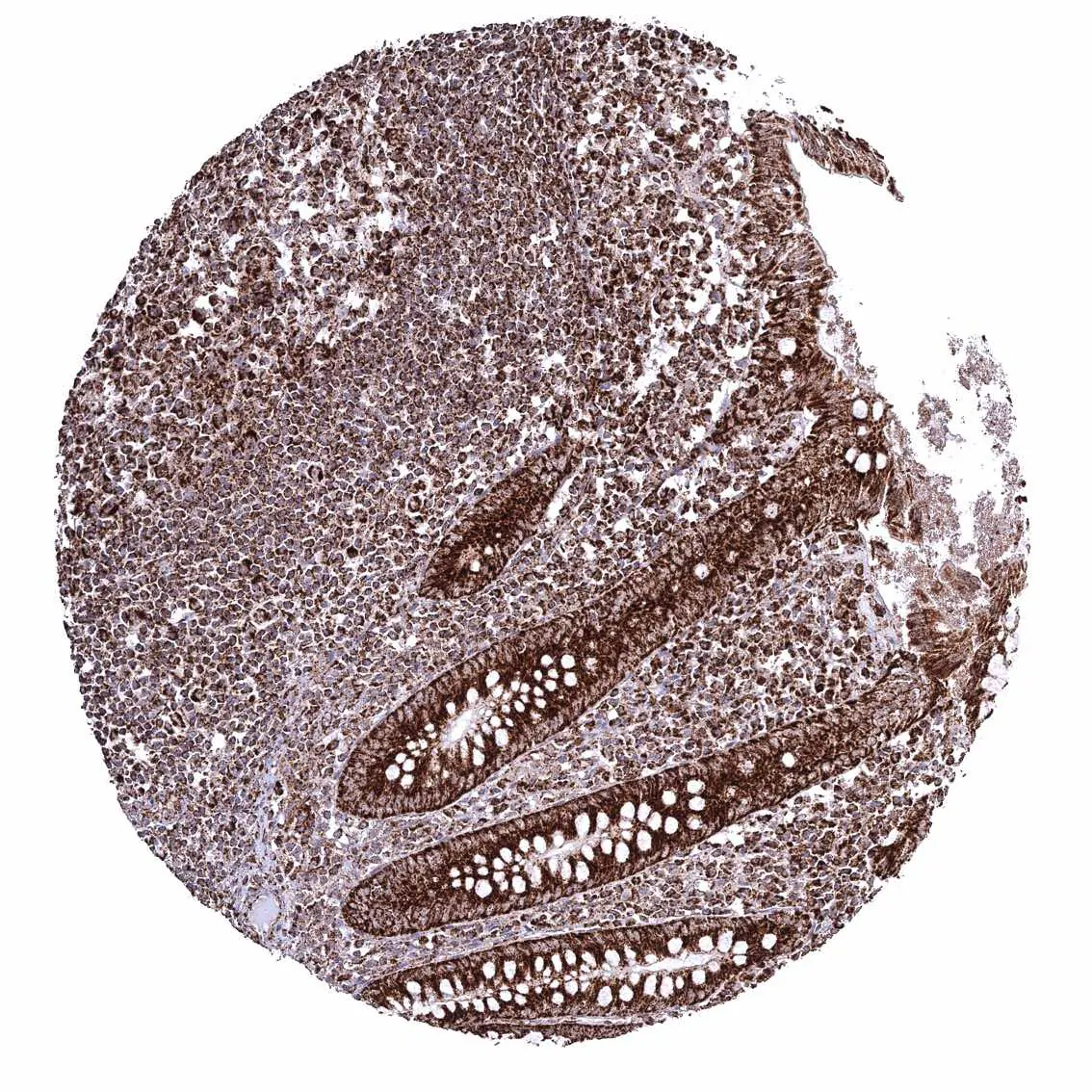
Appendix, mucosa

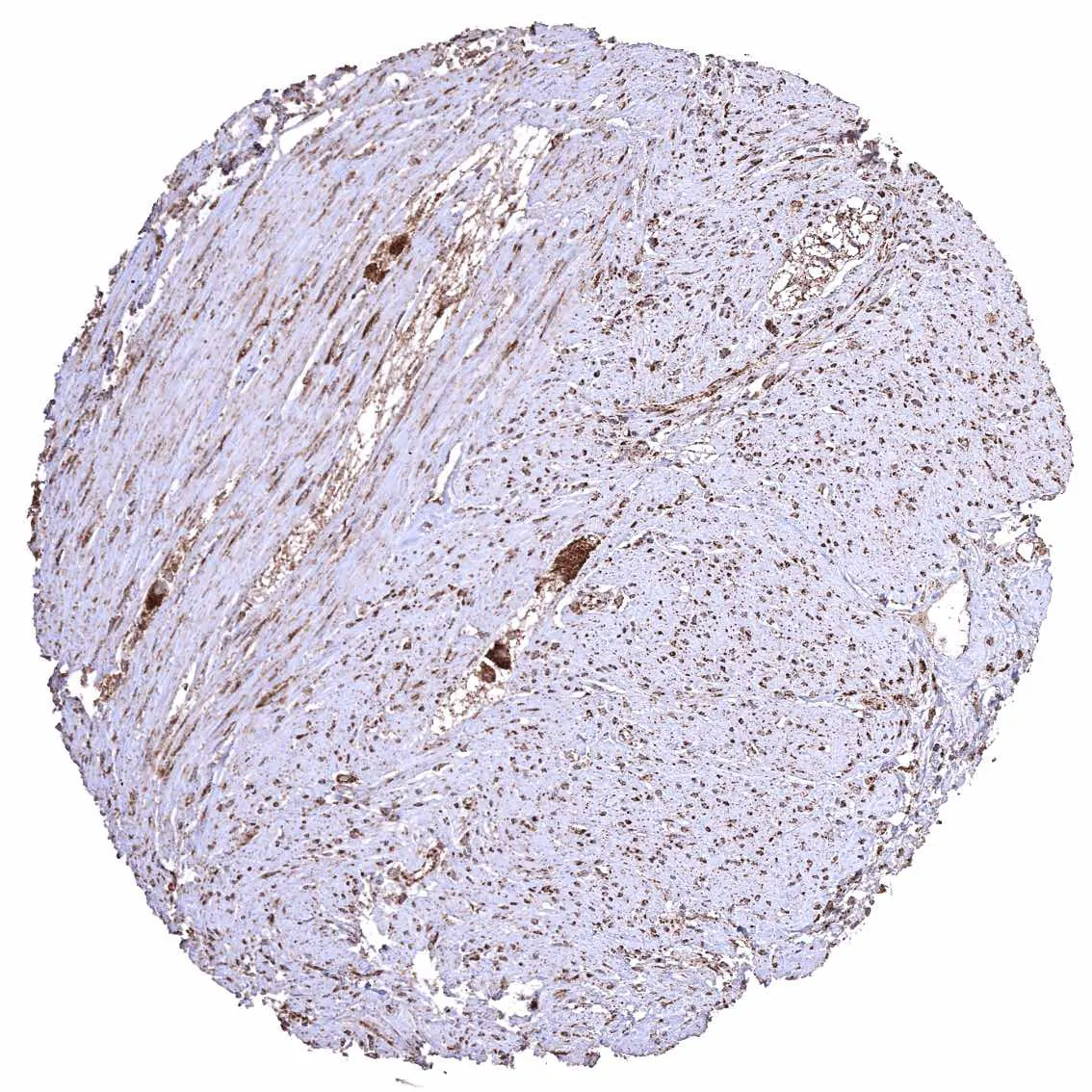
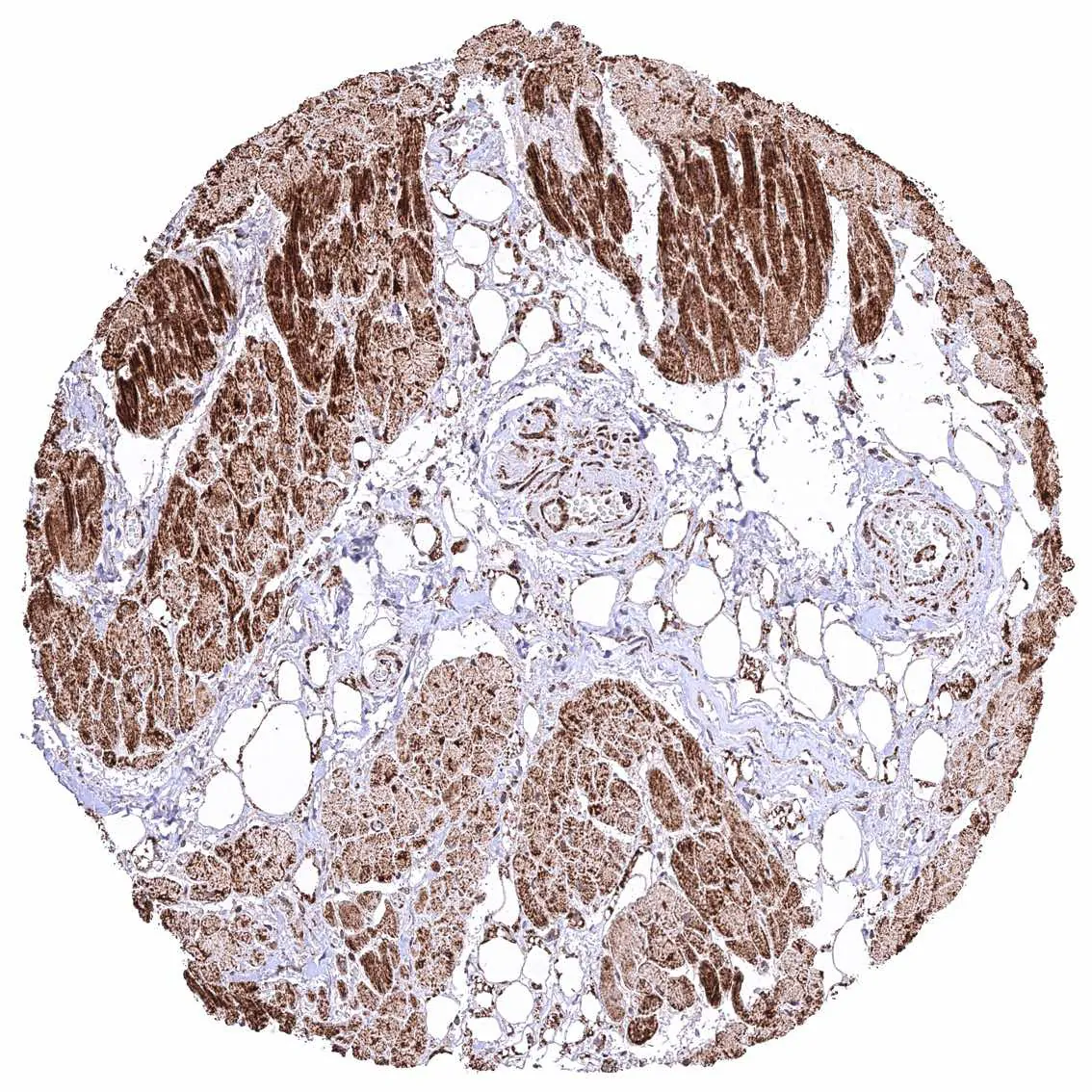
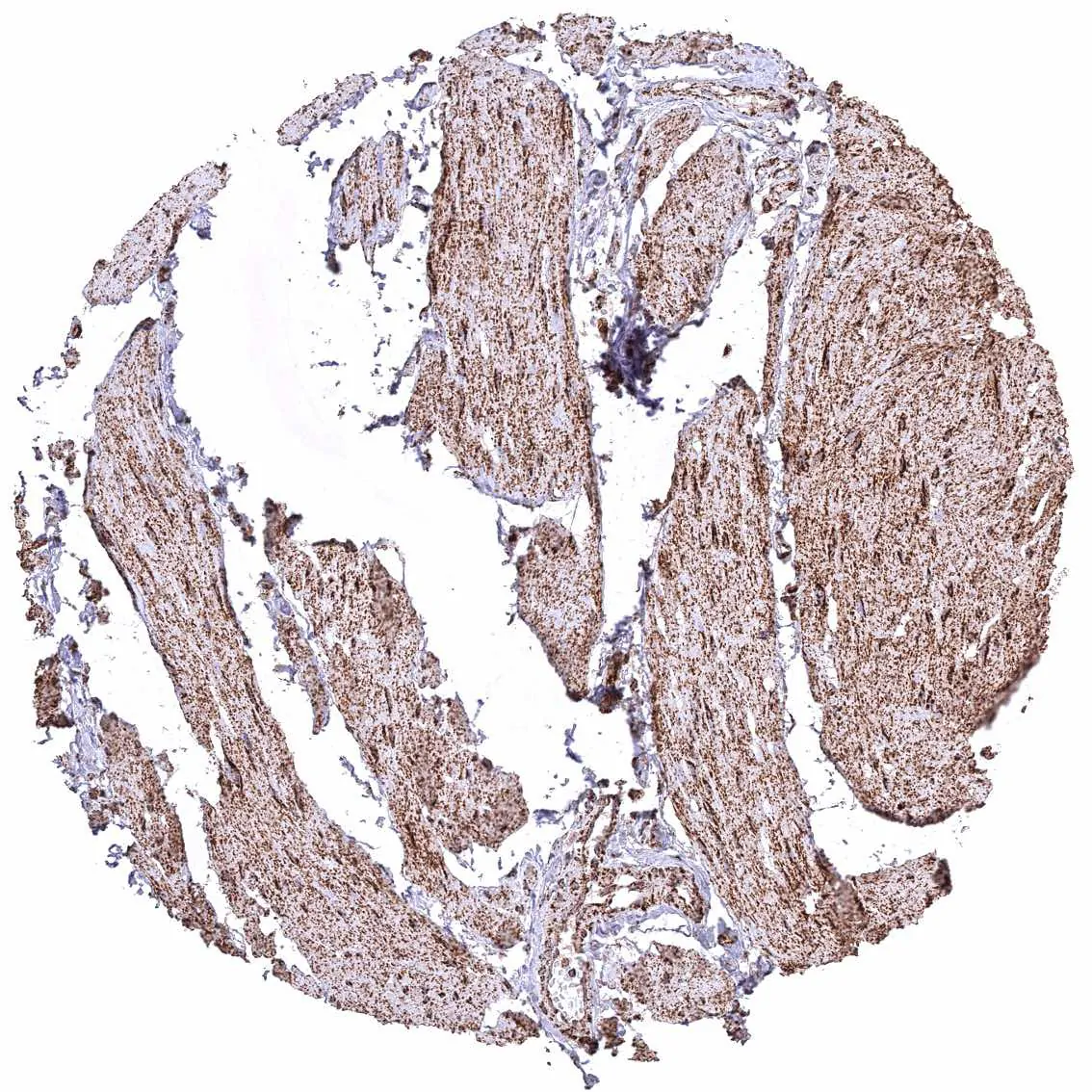
Appendix, muscular wall


Bone marrow – Cytoplasmic ATP5J staining of variable intensity in all cell types.

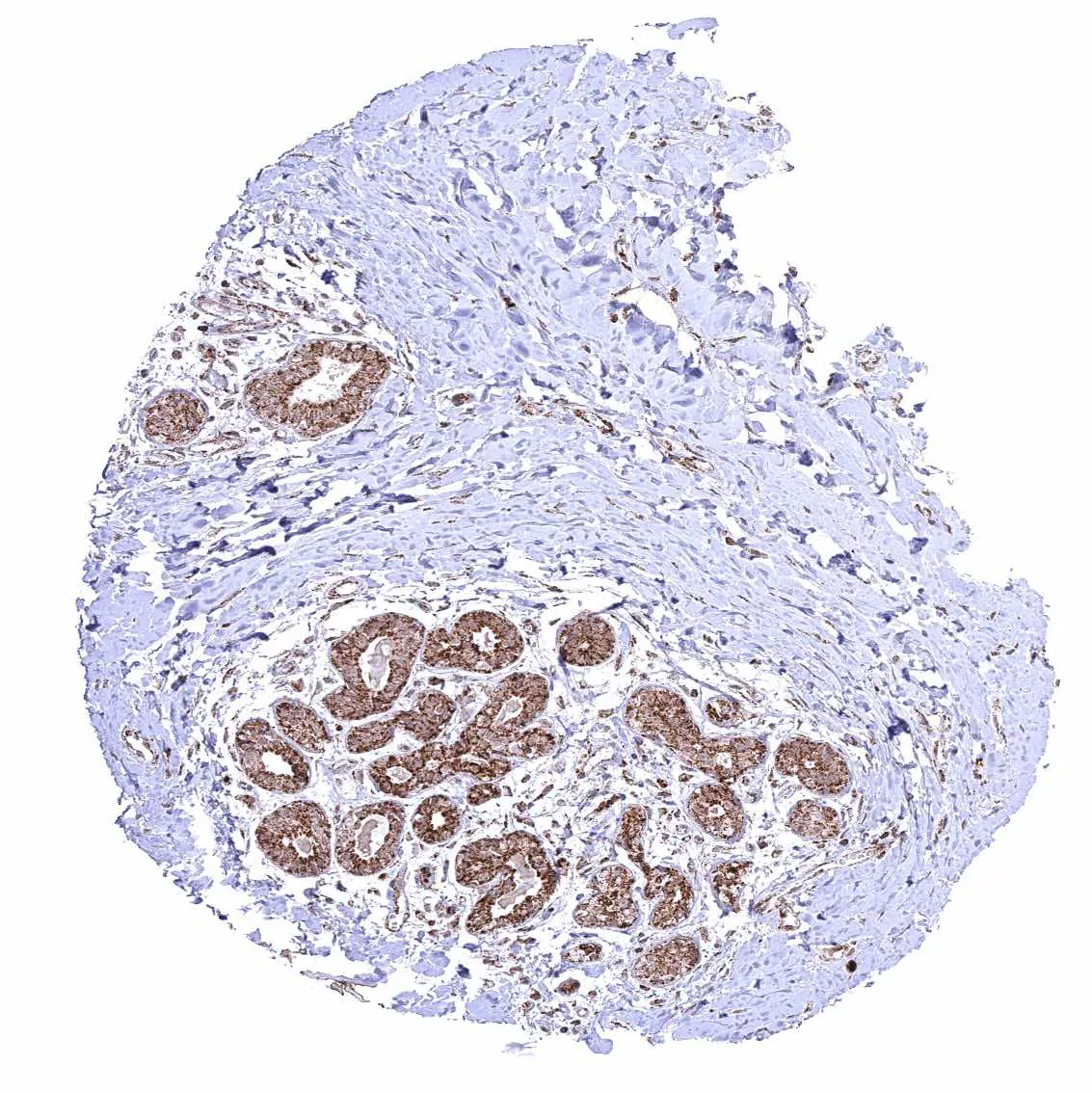
Breast

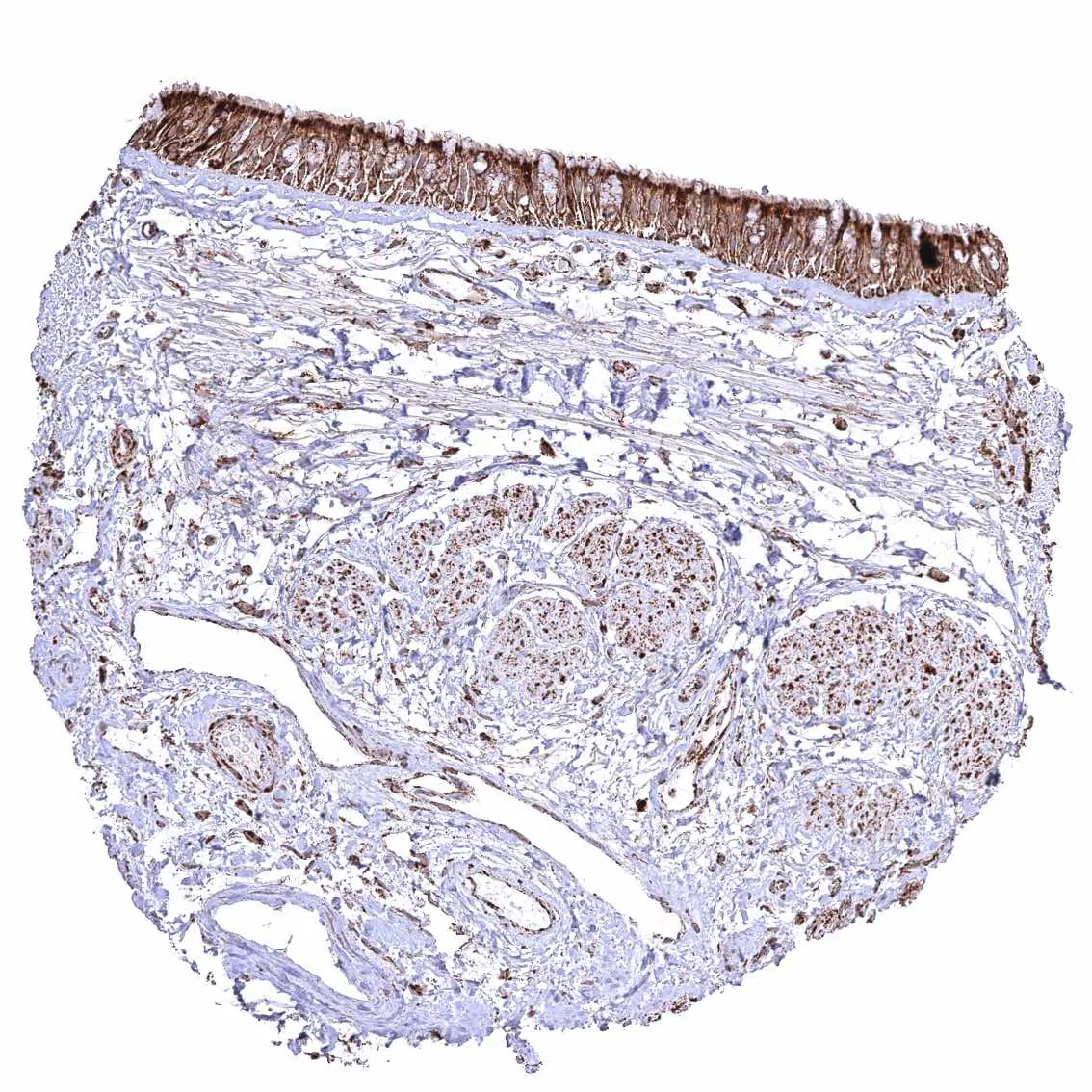
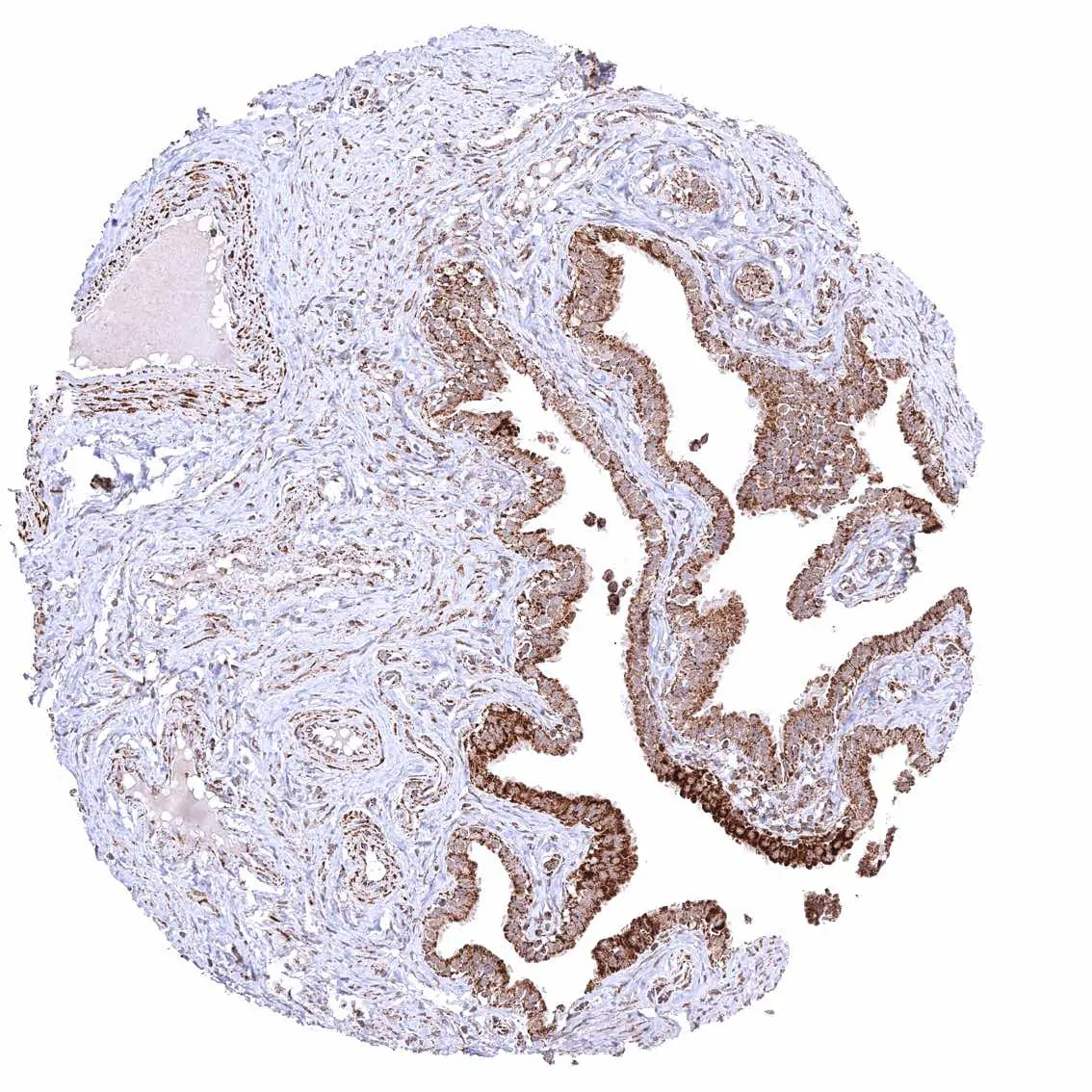
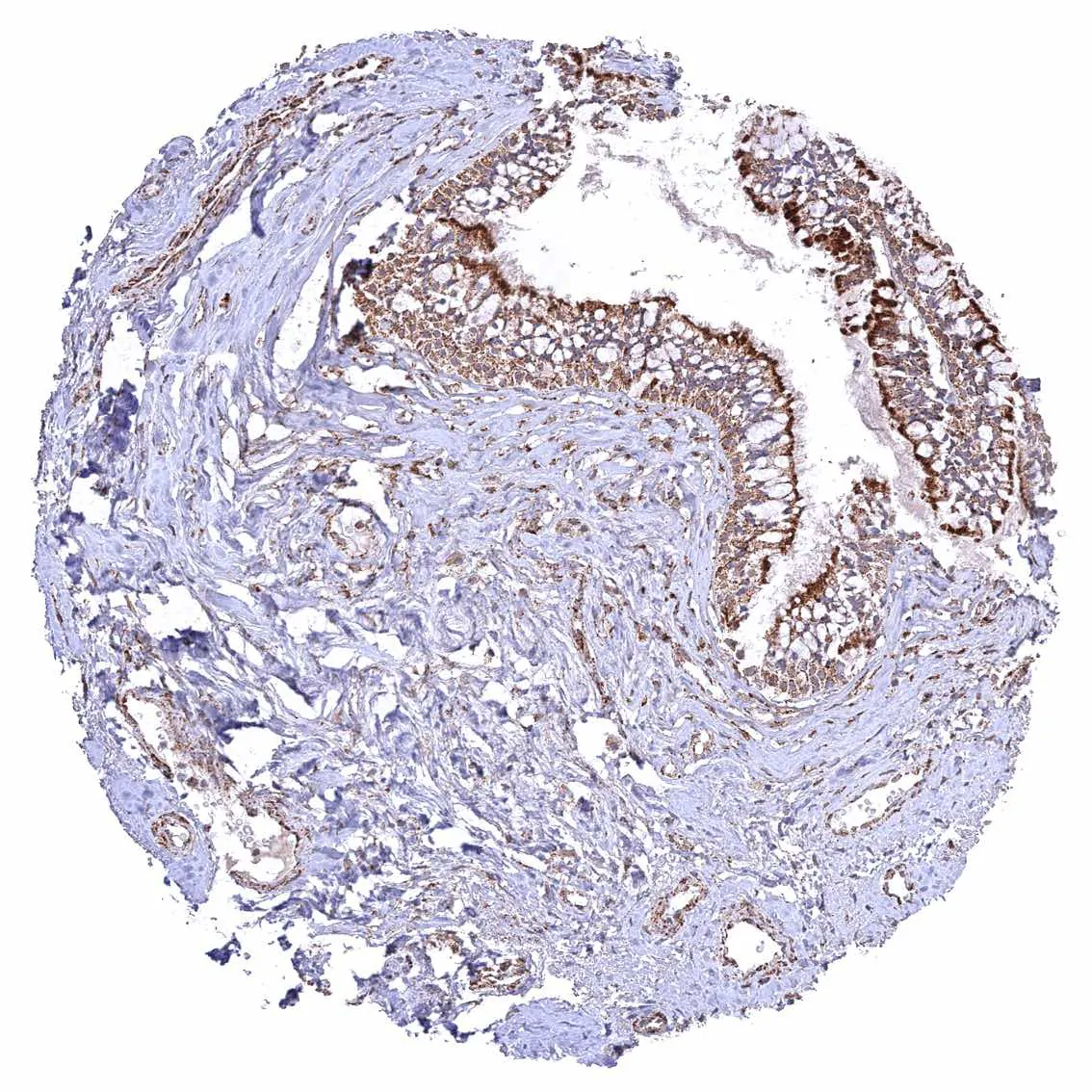
Bronchus, mucosa – Cytoplasmic ATP5J staining occurs in all cell types. A characteristic granular cytoplasmic staining is seen below the apical membranes.

Bronchus, mucosa


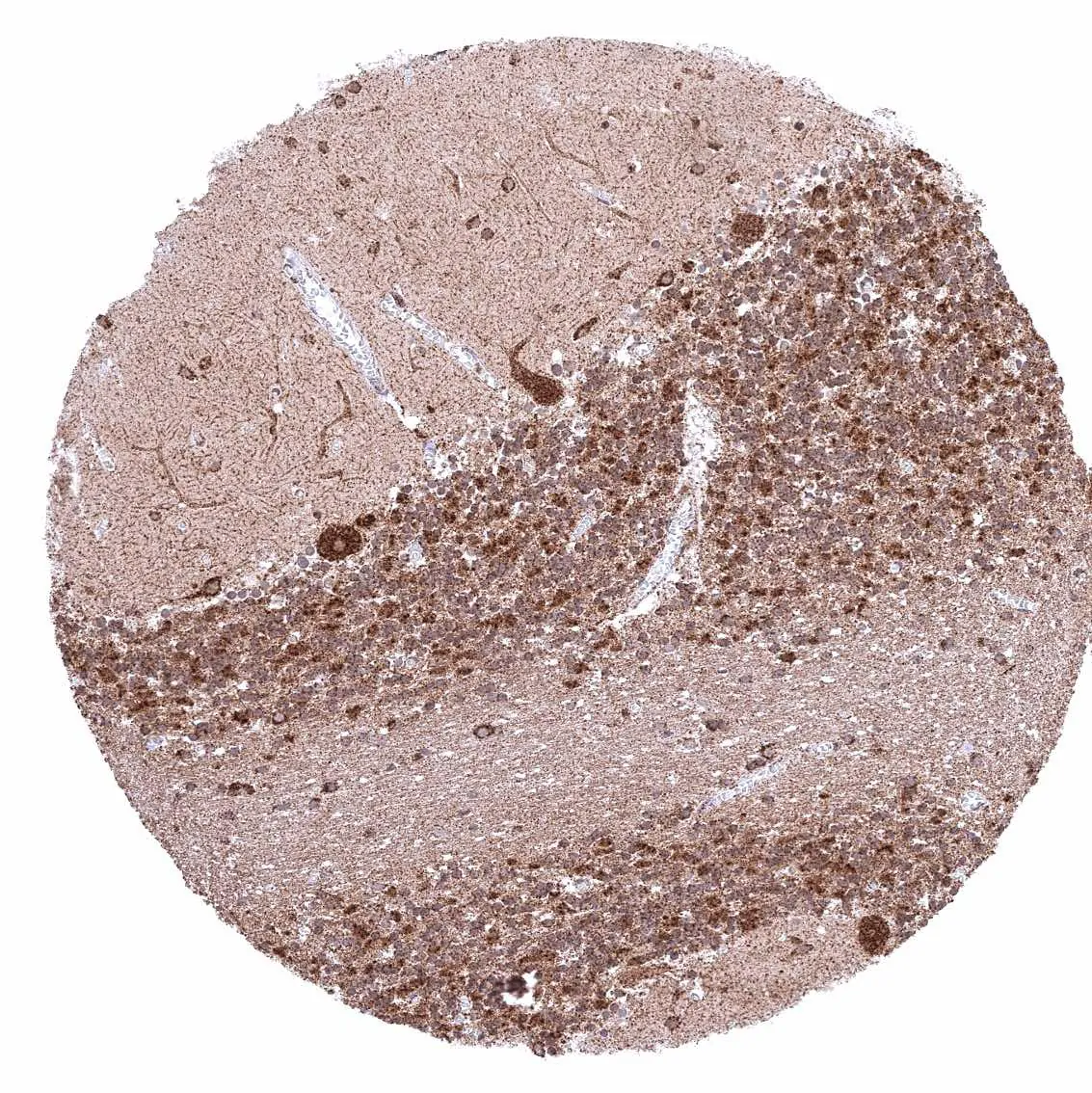
Cerebellum (molecular layer, Purkinje cell layer, granule cell layer, white matter)

Cerebellum (white matter)

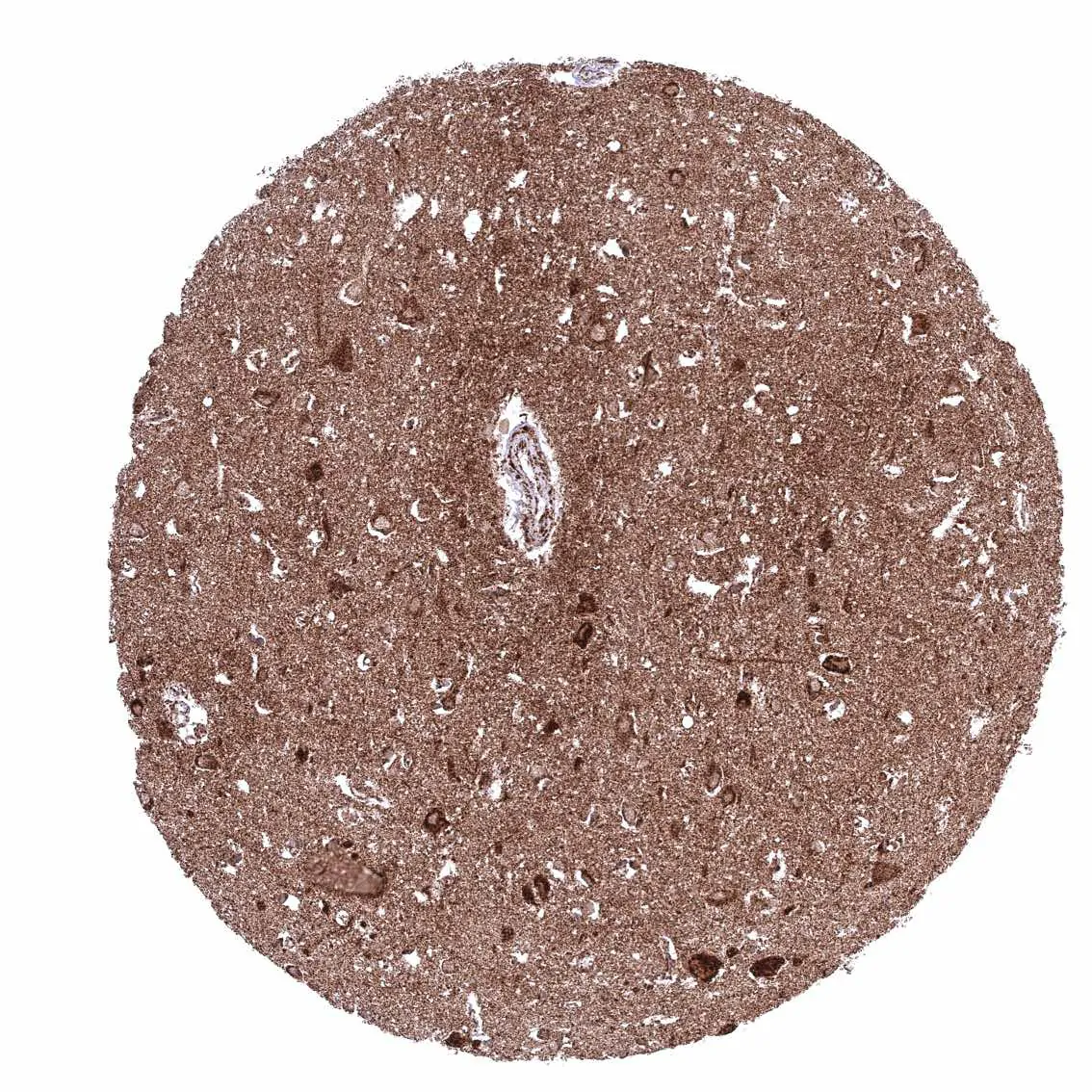
Cerebrum, grey matter

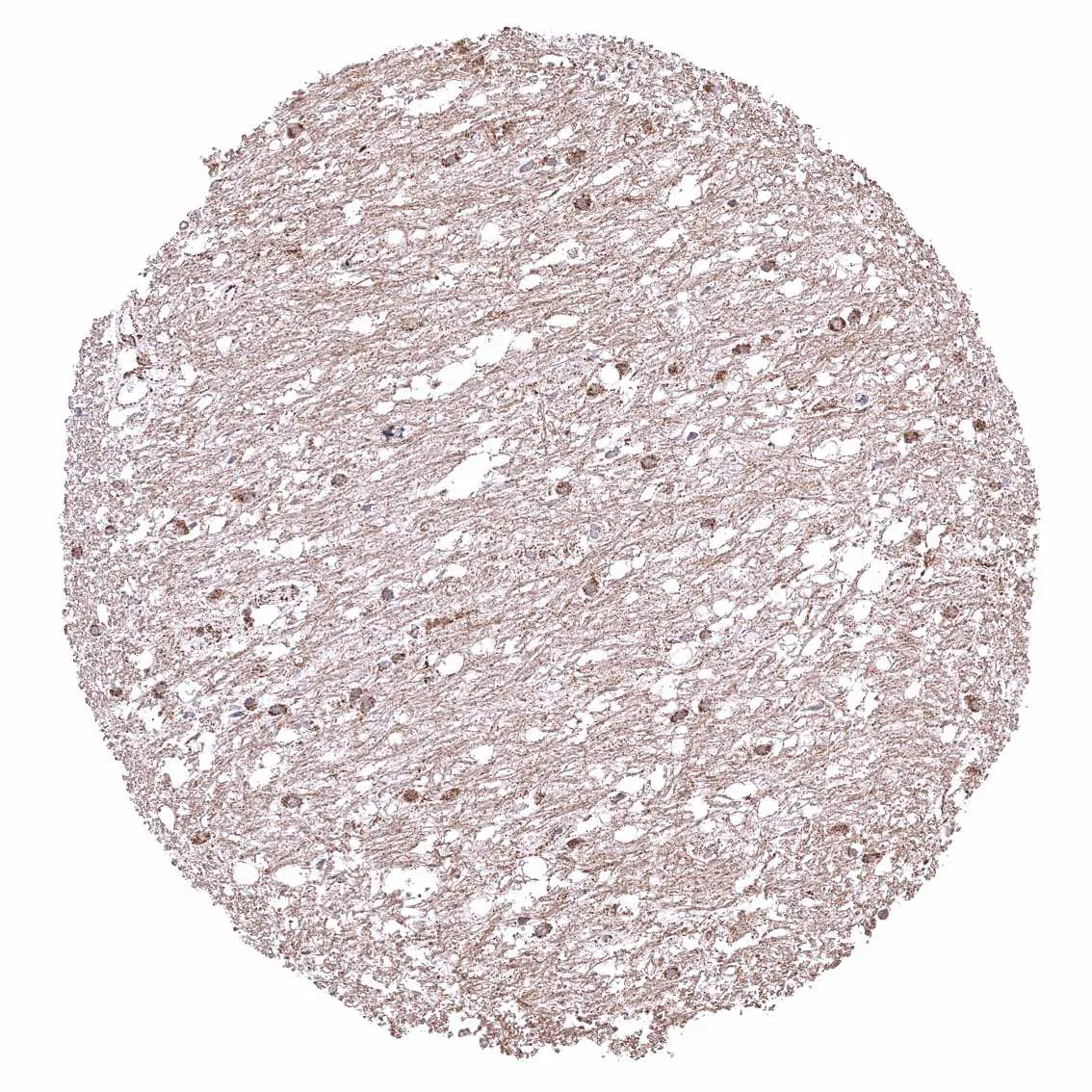
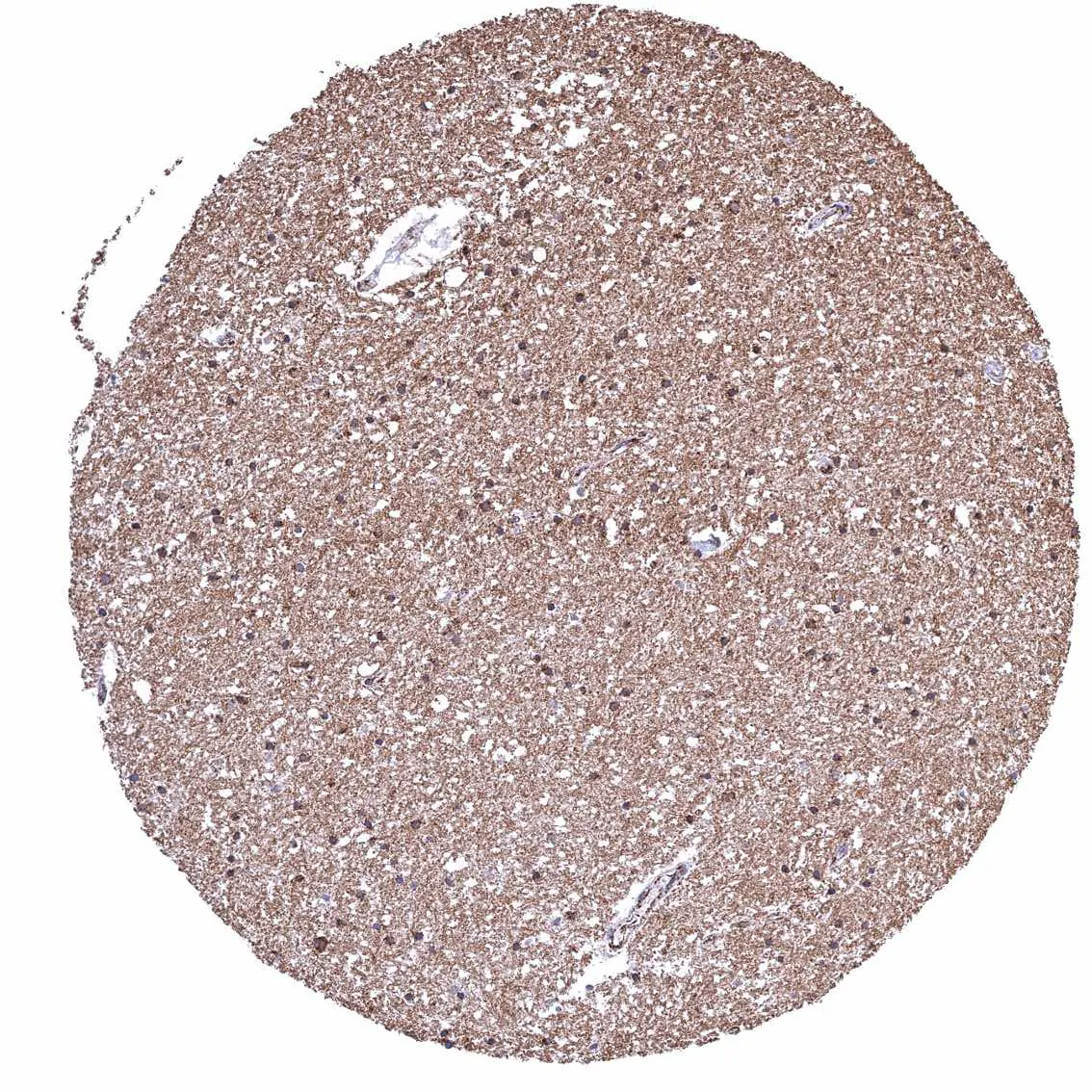
Cerebrum, white matter


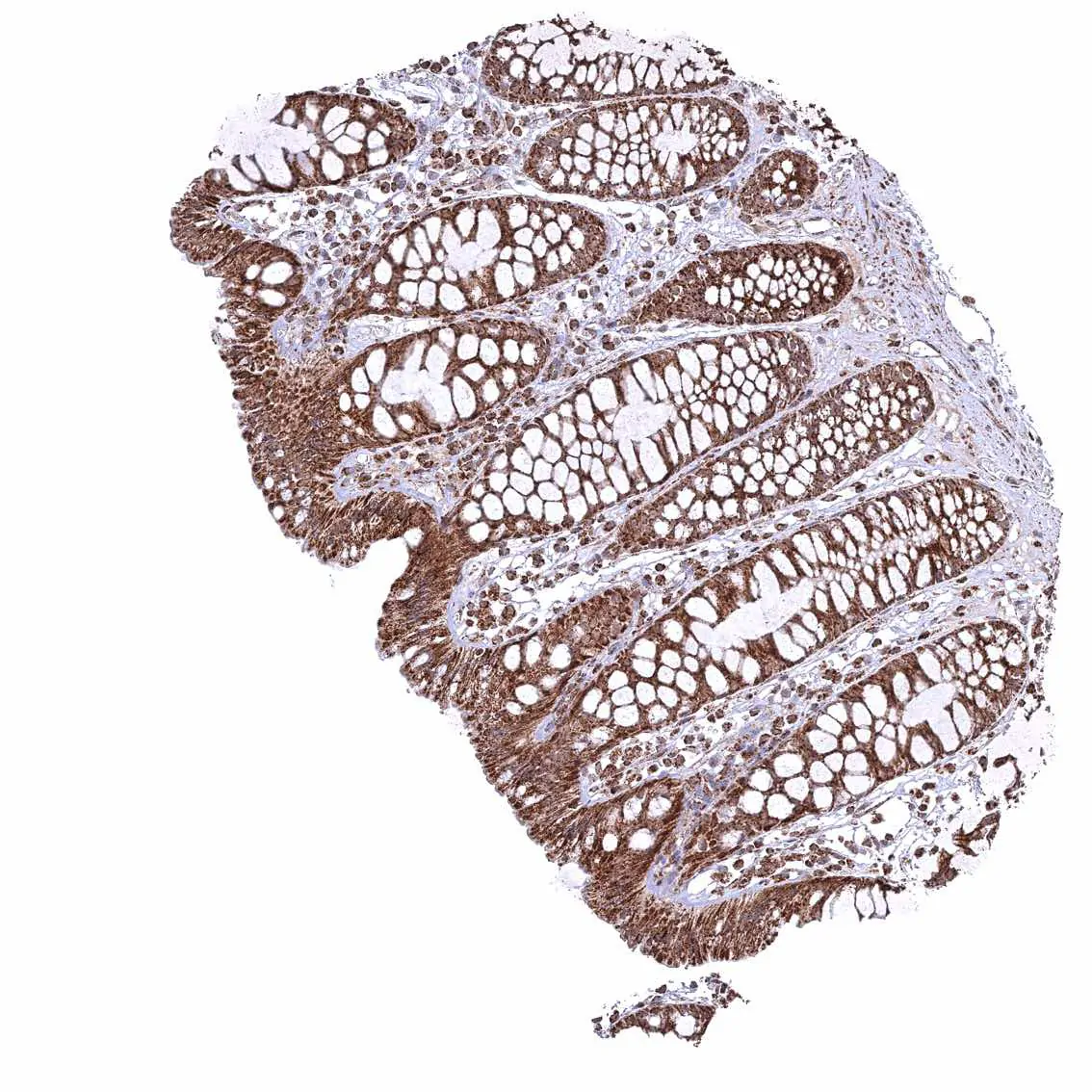
Colon descendens, mucosa

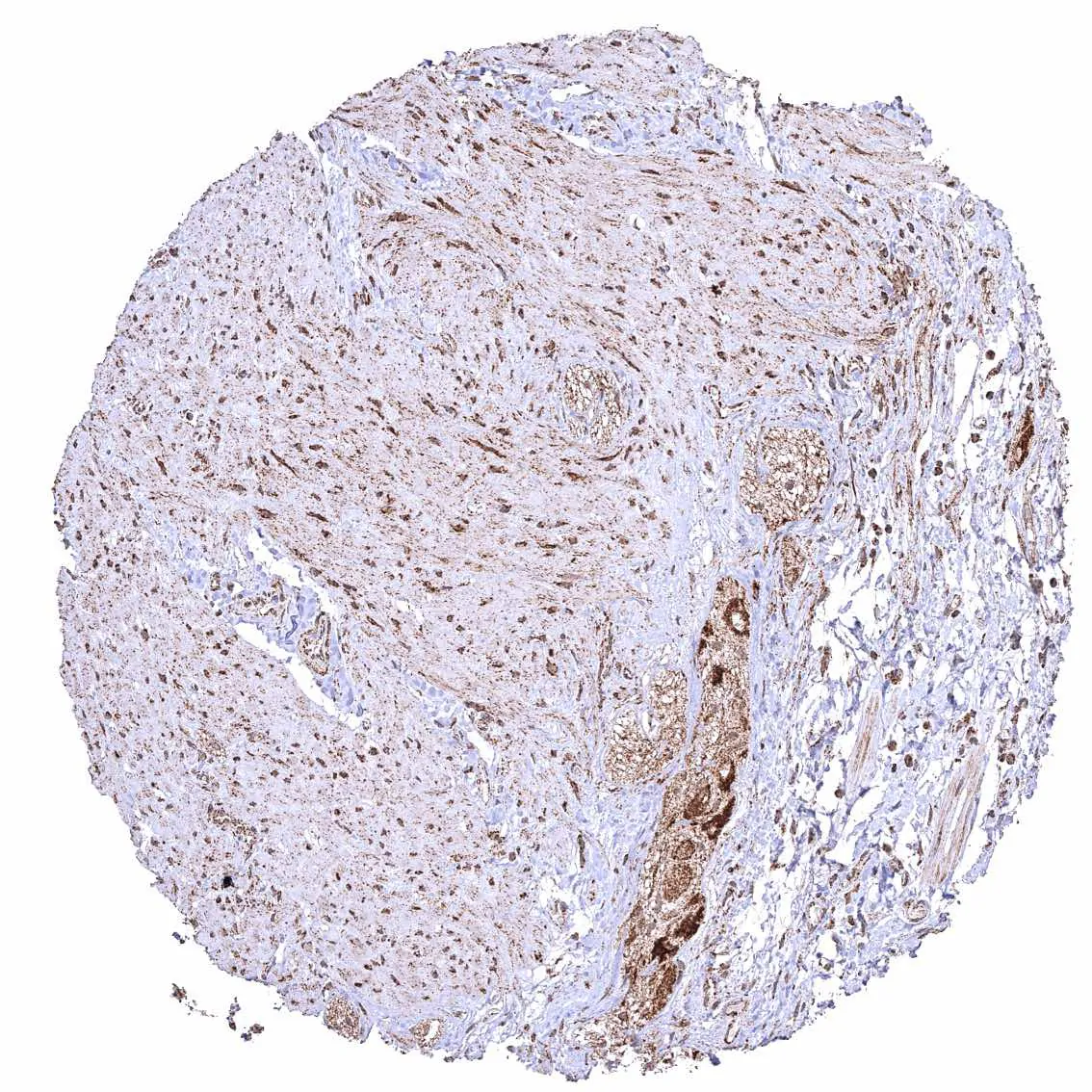
Colon descendens, muscular wall

Duodenum, Brunner gland

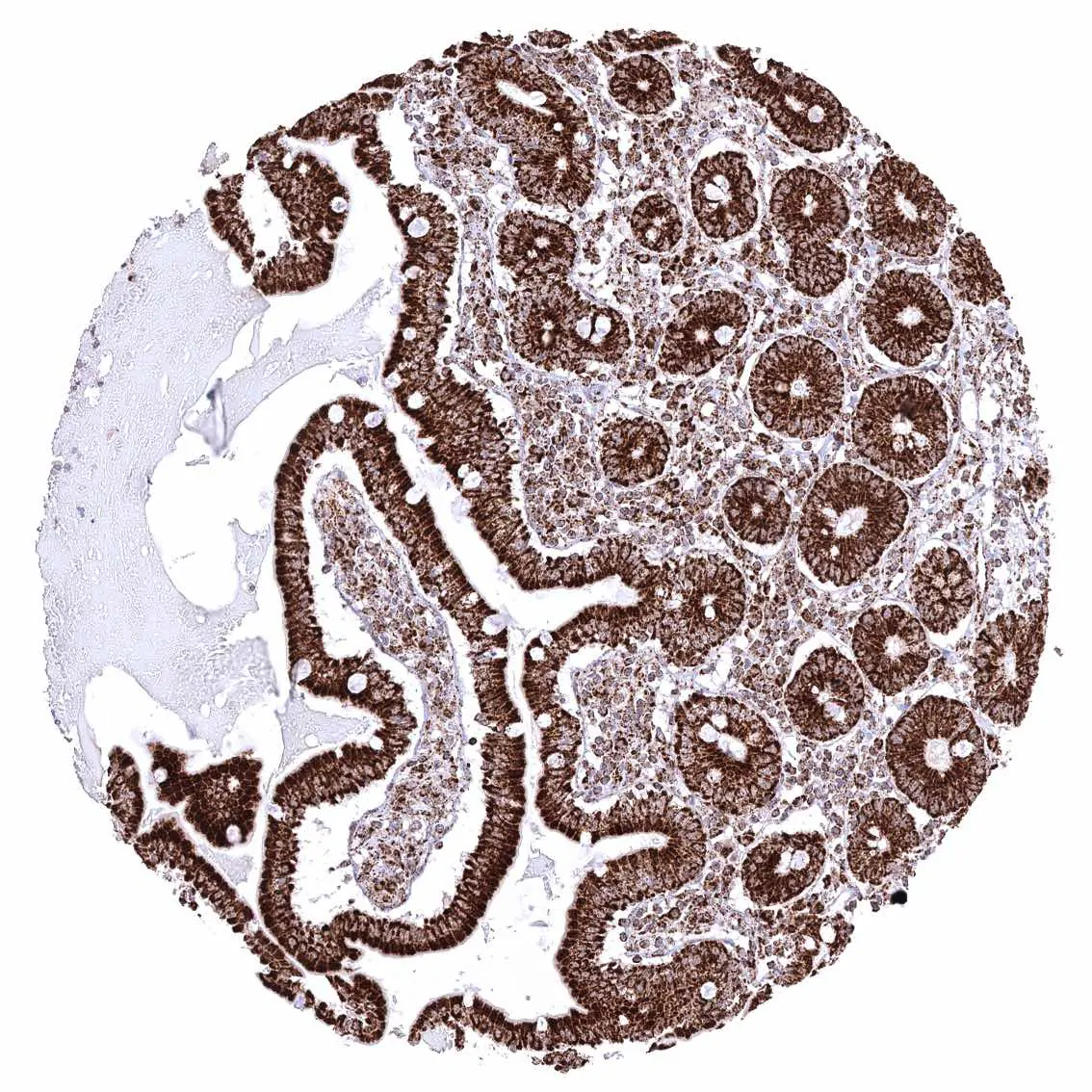
Duodenum, mucosa


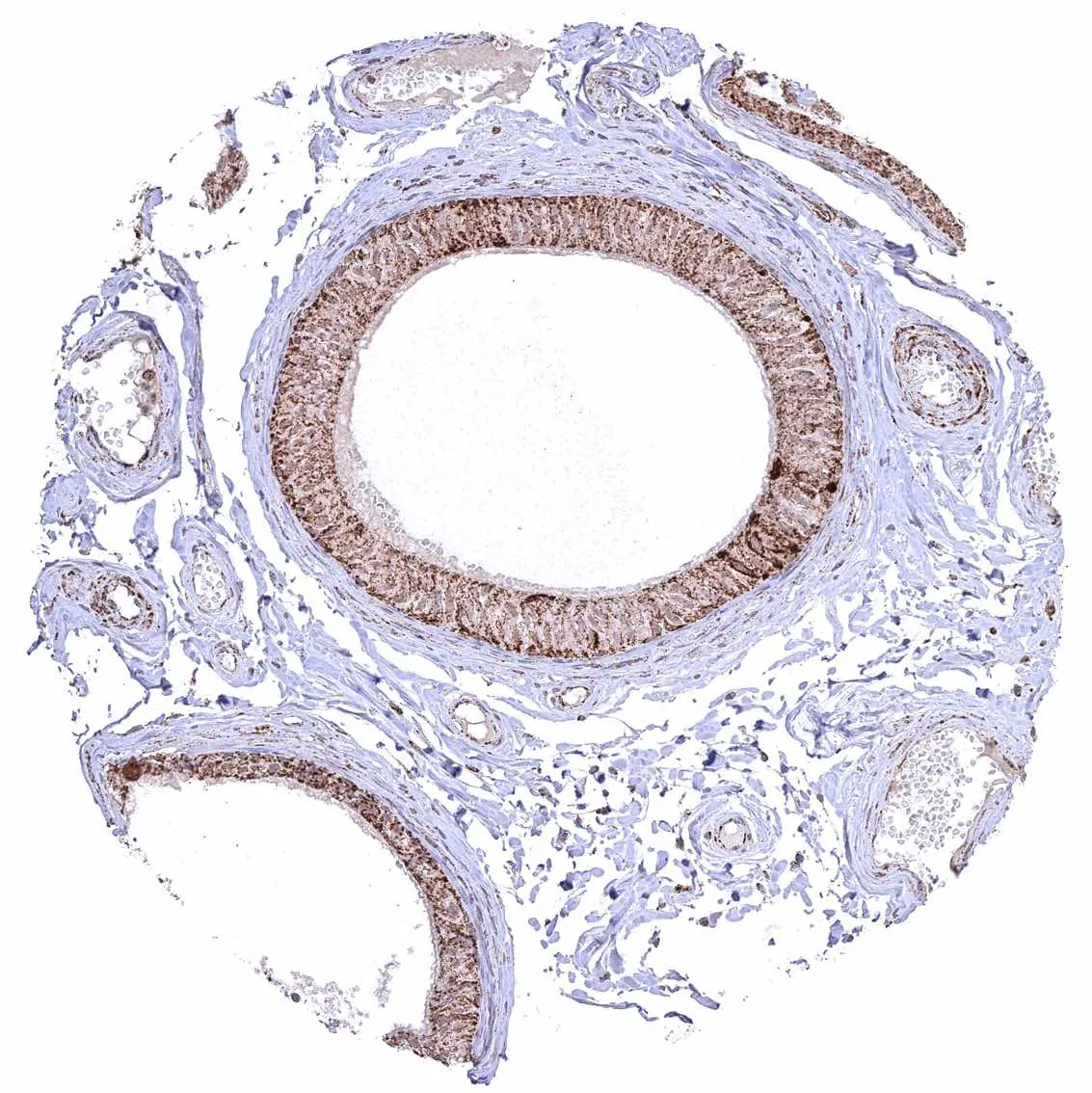
Epididymis (Cauda)

Epididymis (Corpus)

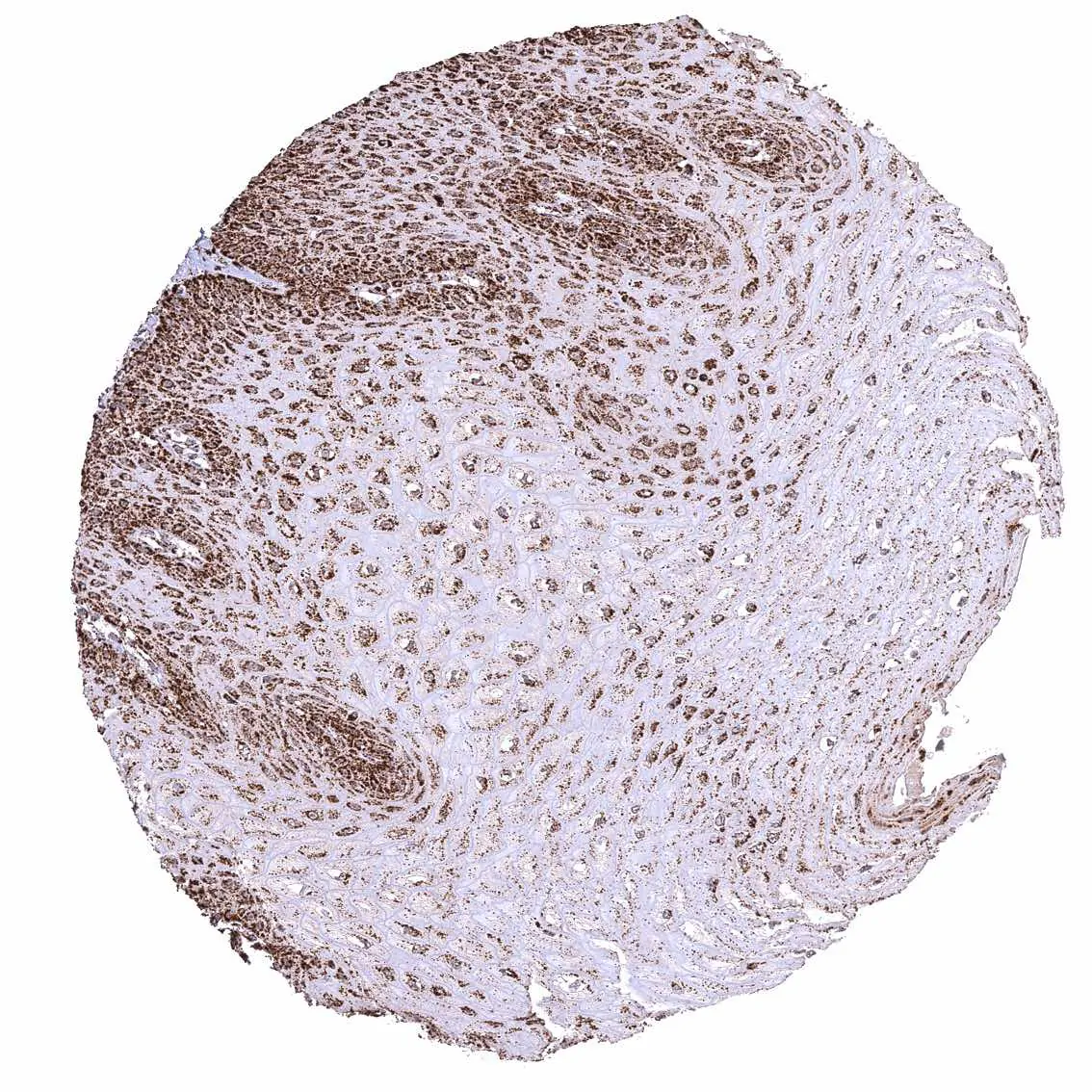
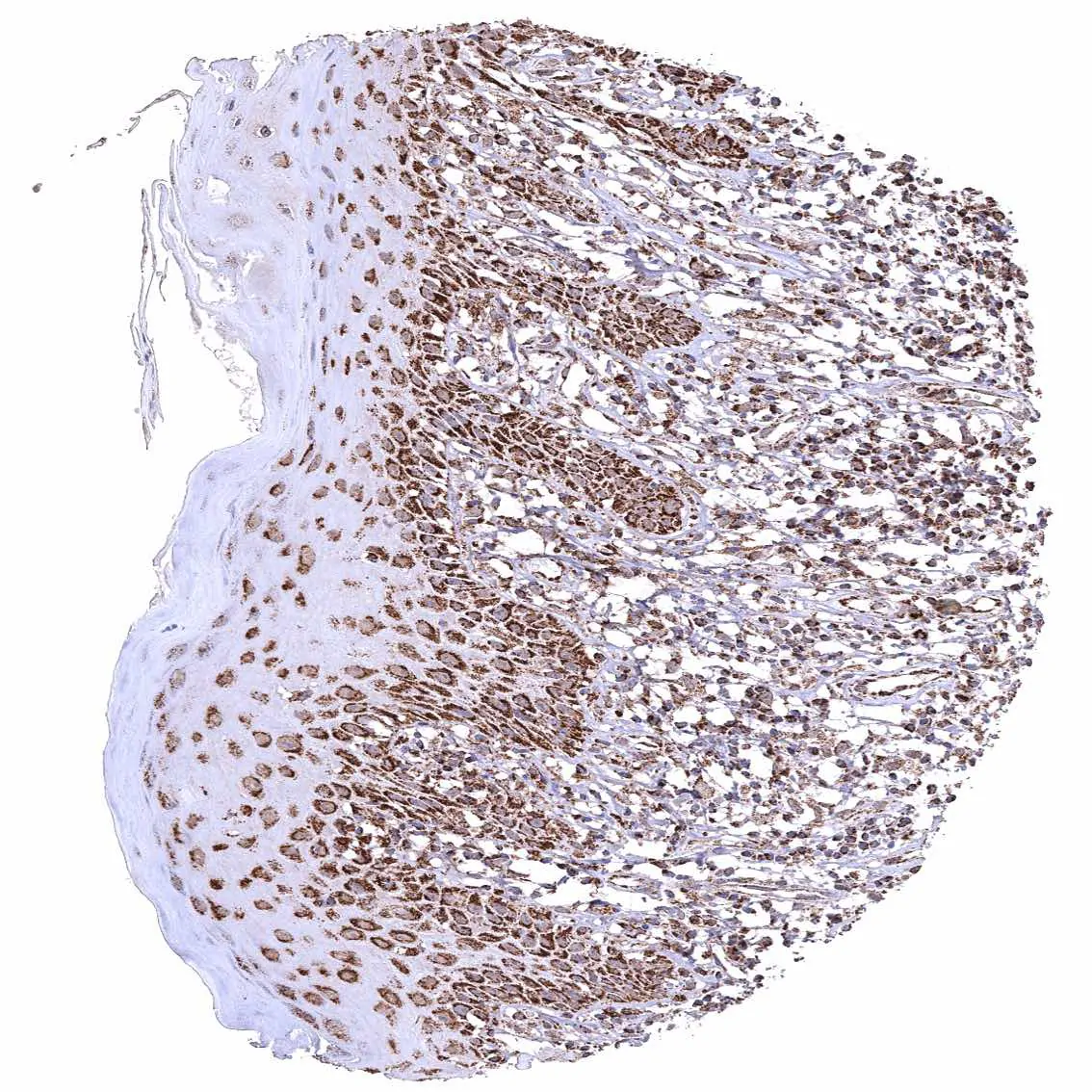
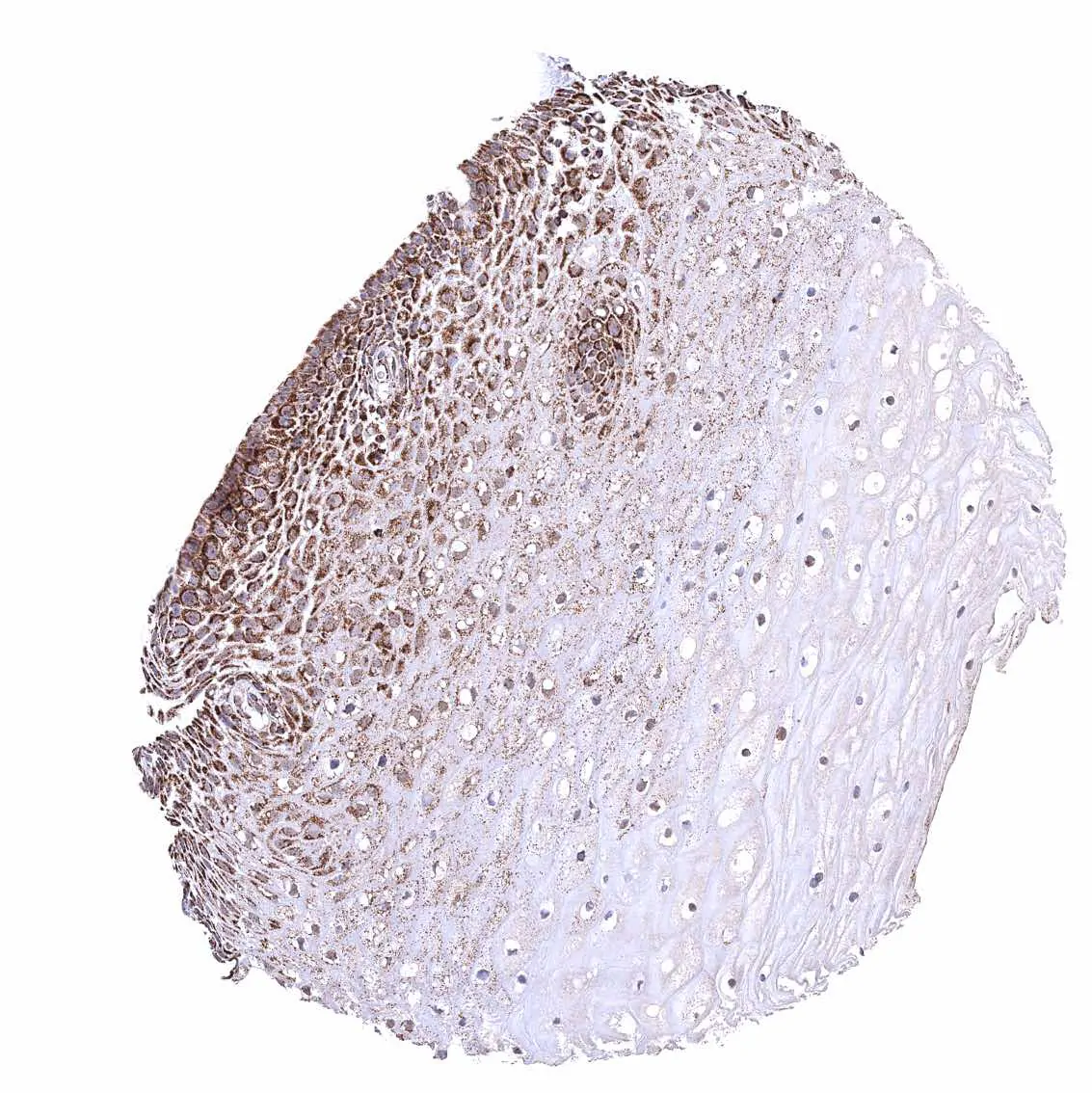
Esophagus, squamous epithelium – Strong granular cytoplasmic ATP5J staining of all cell types. The staining is least intense in superficial cell layers of squamous epithelium.

Fallopian tube, mucosa


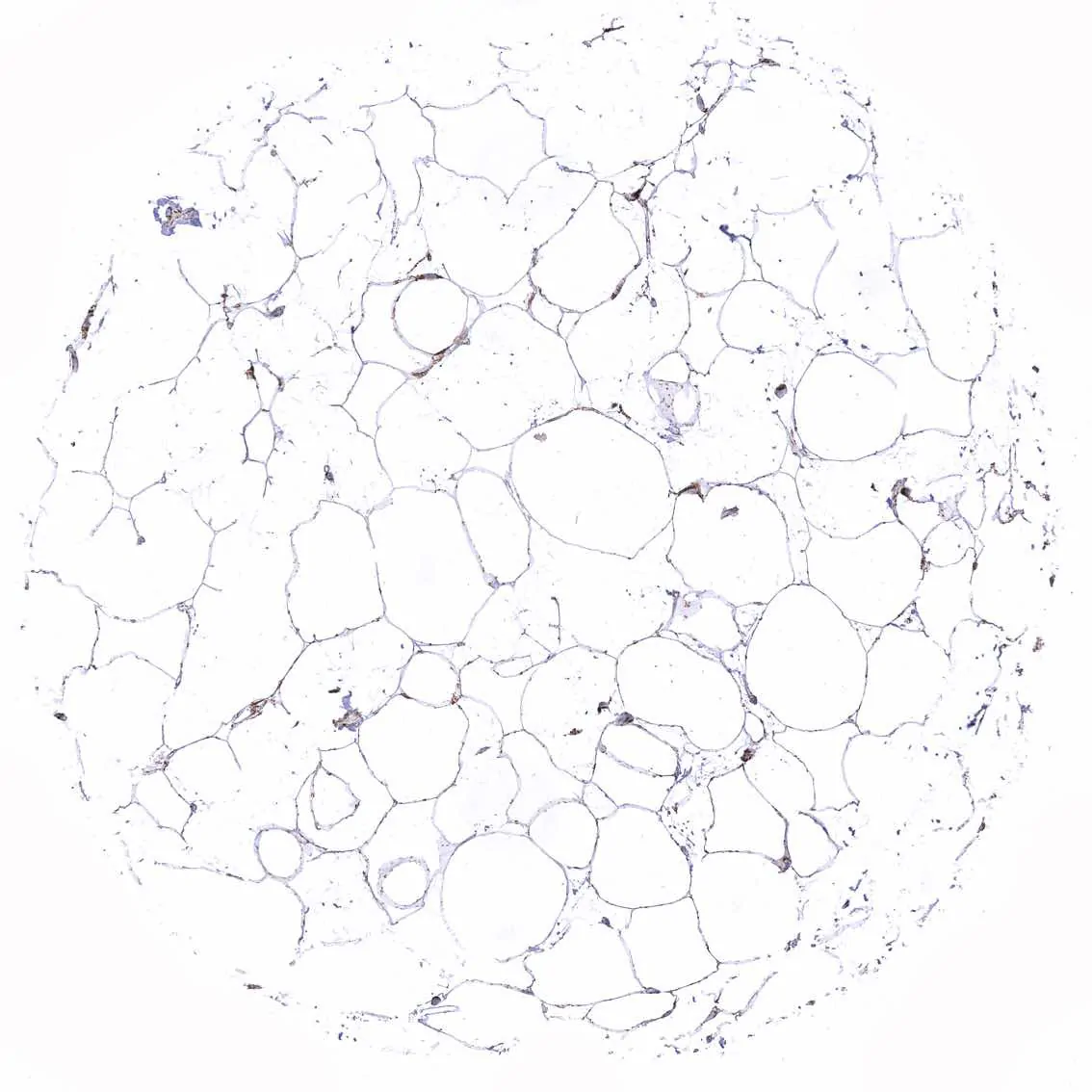
Fat

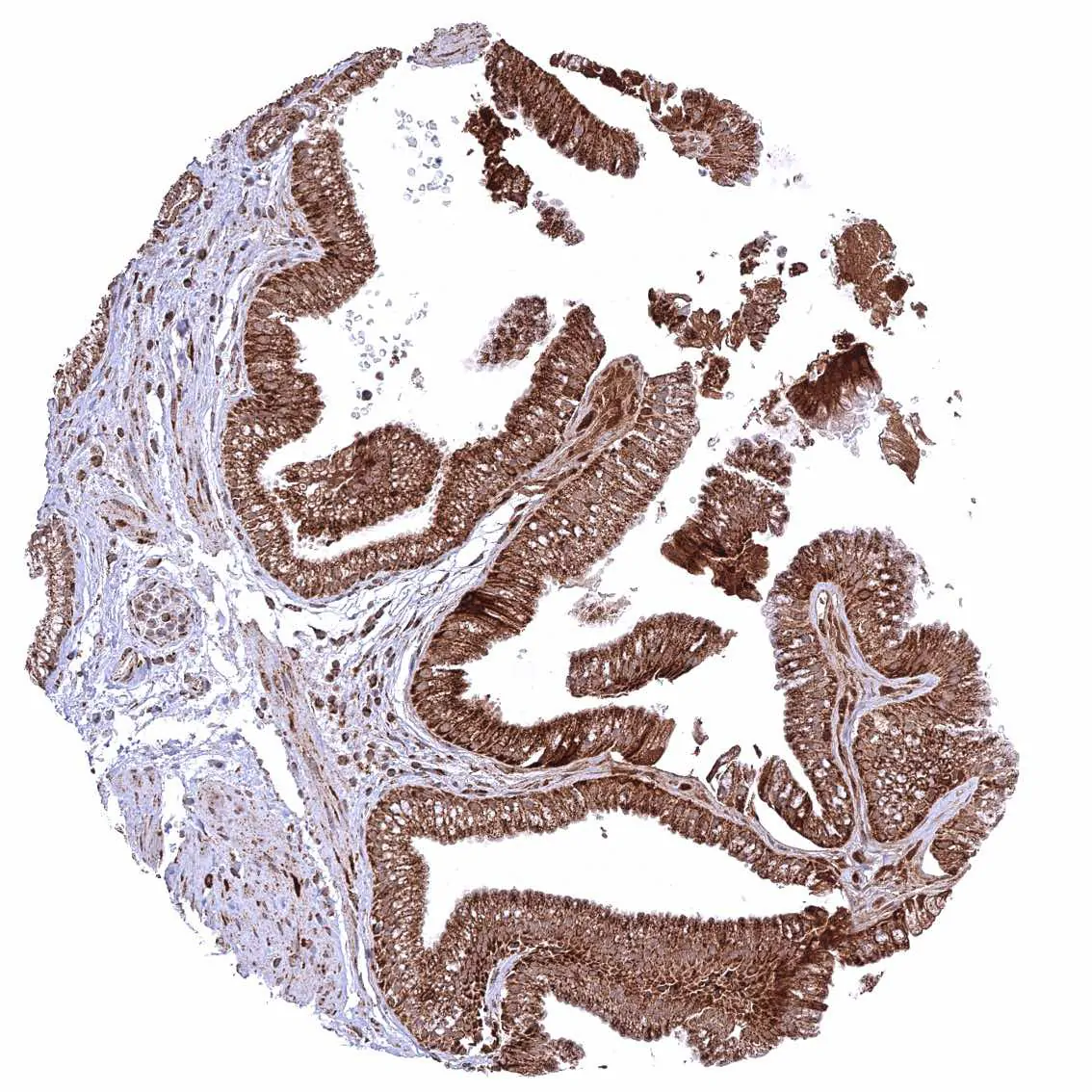
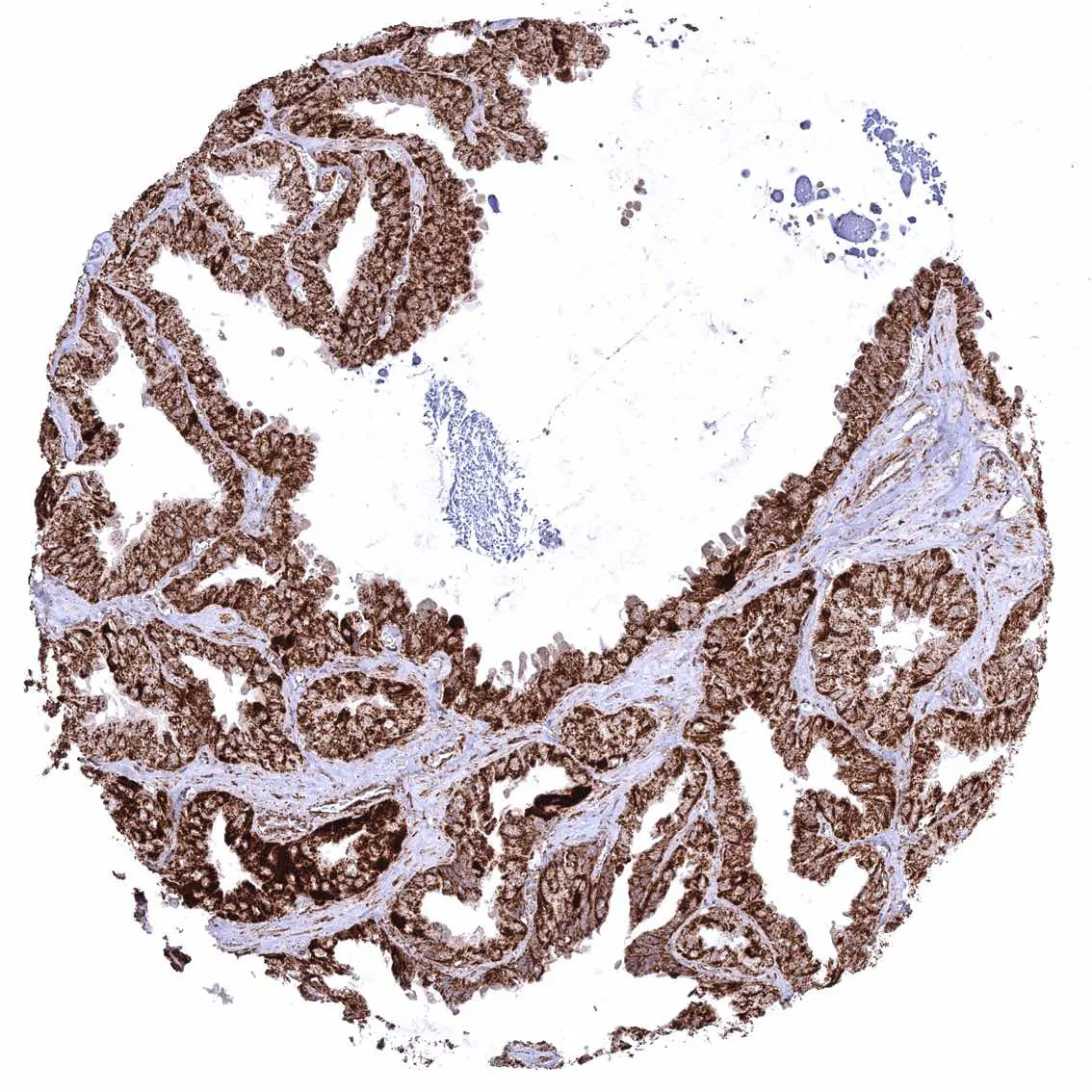
Gallbladder, epithelium

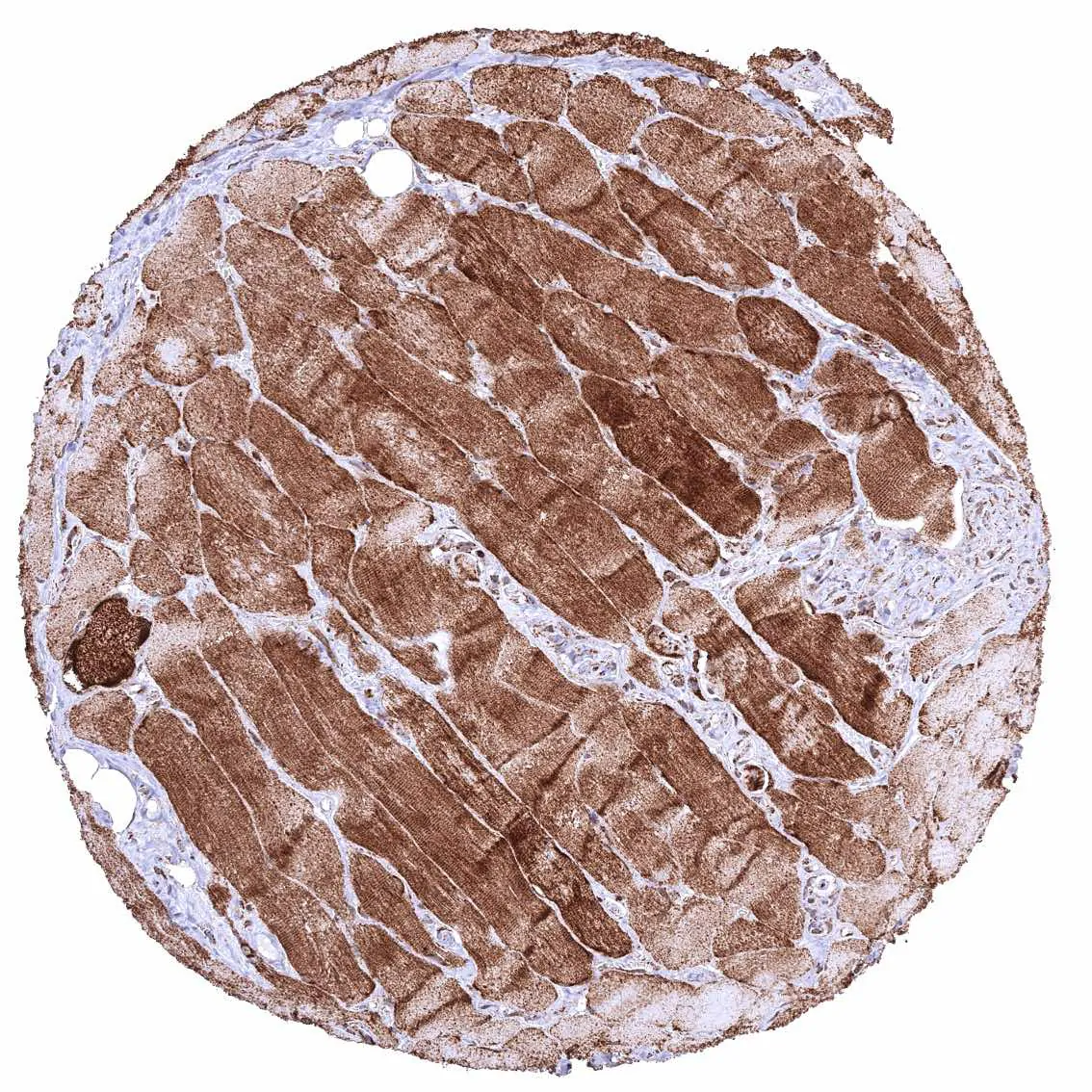
Heart muscle

Ileum, mucosa


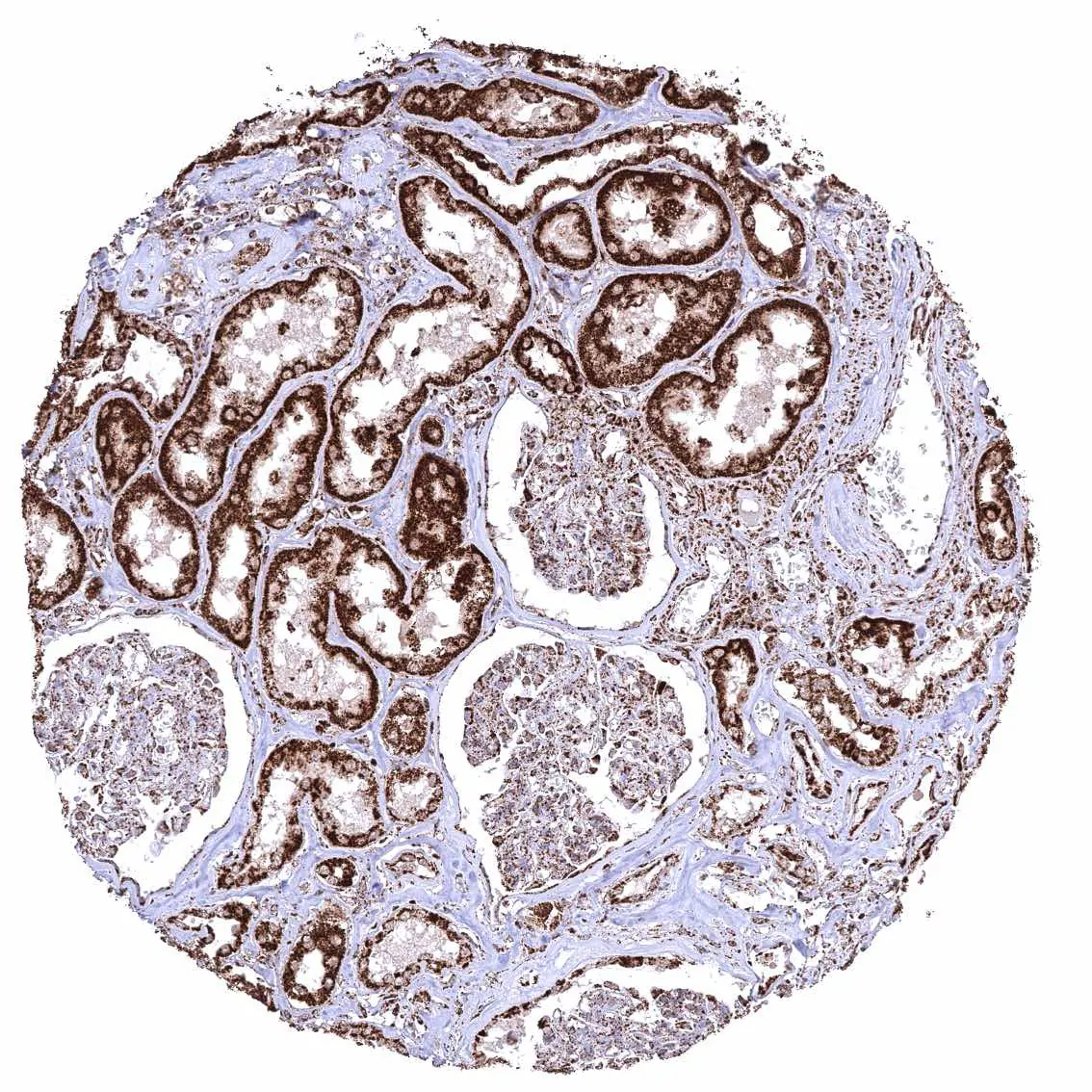
Kidney, cortex – Cytoplasmic ATP5J staining occurs in all cell types. It is intense in all tubuli, moderate in collecting ducts, and least intense in glomeruli.

Kidney, medulla

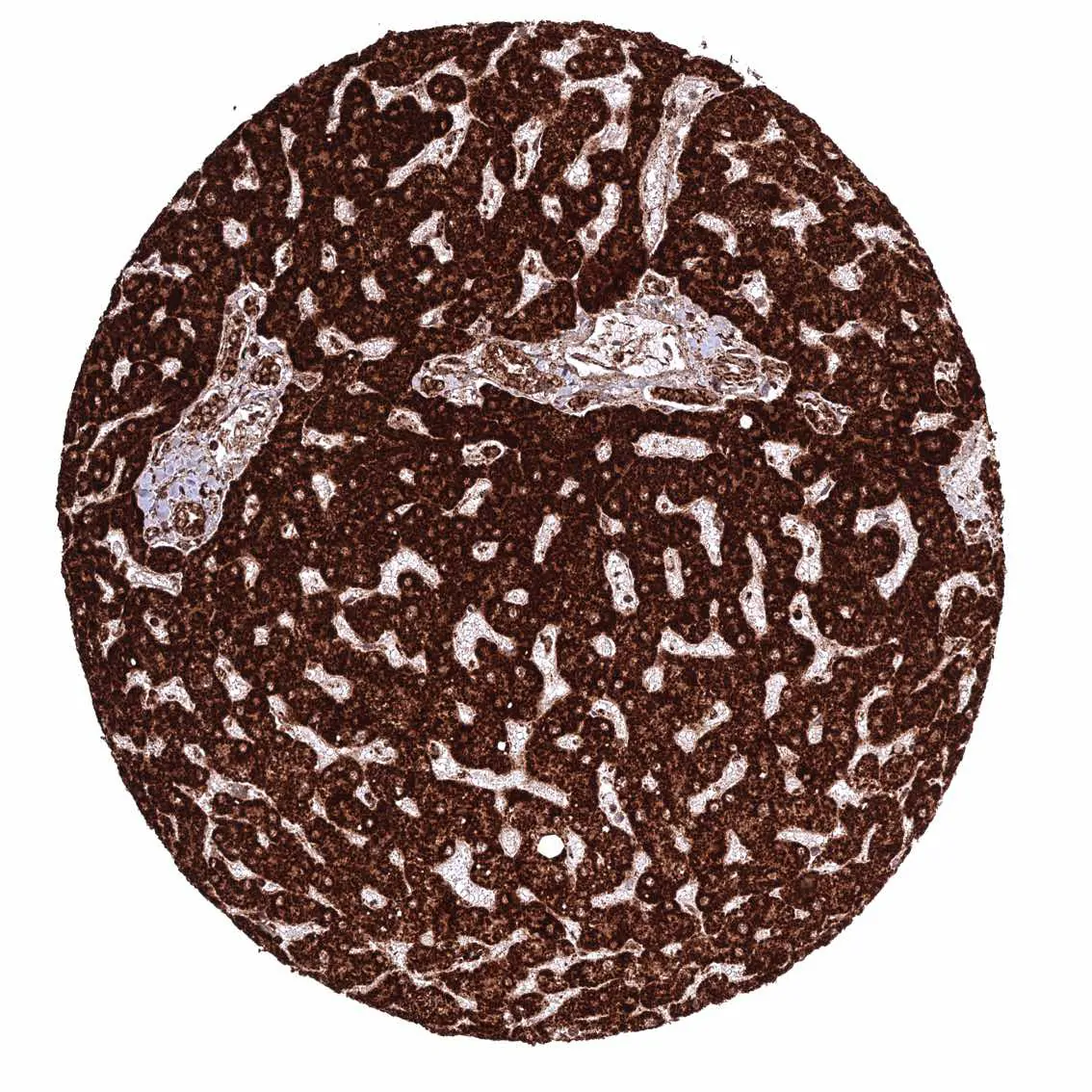
Liver – Cytoplasmic ATP5J staining is particularly intense in hepatocytes.

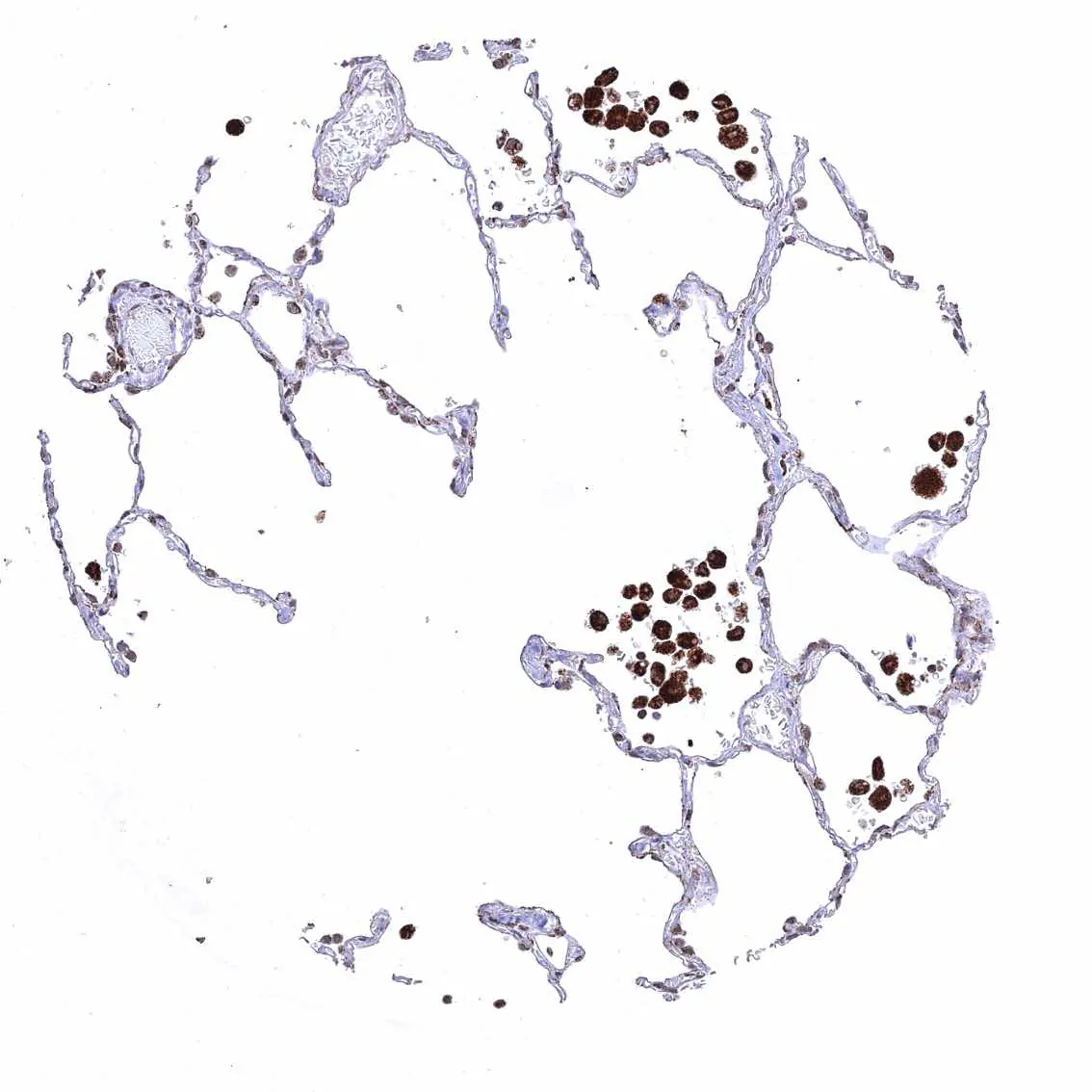
Lung


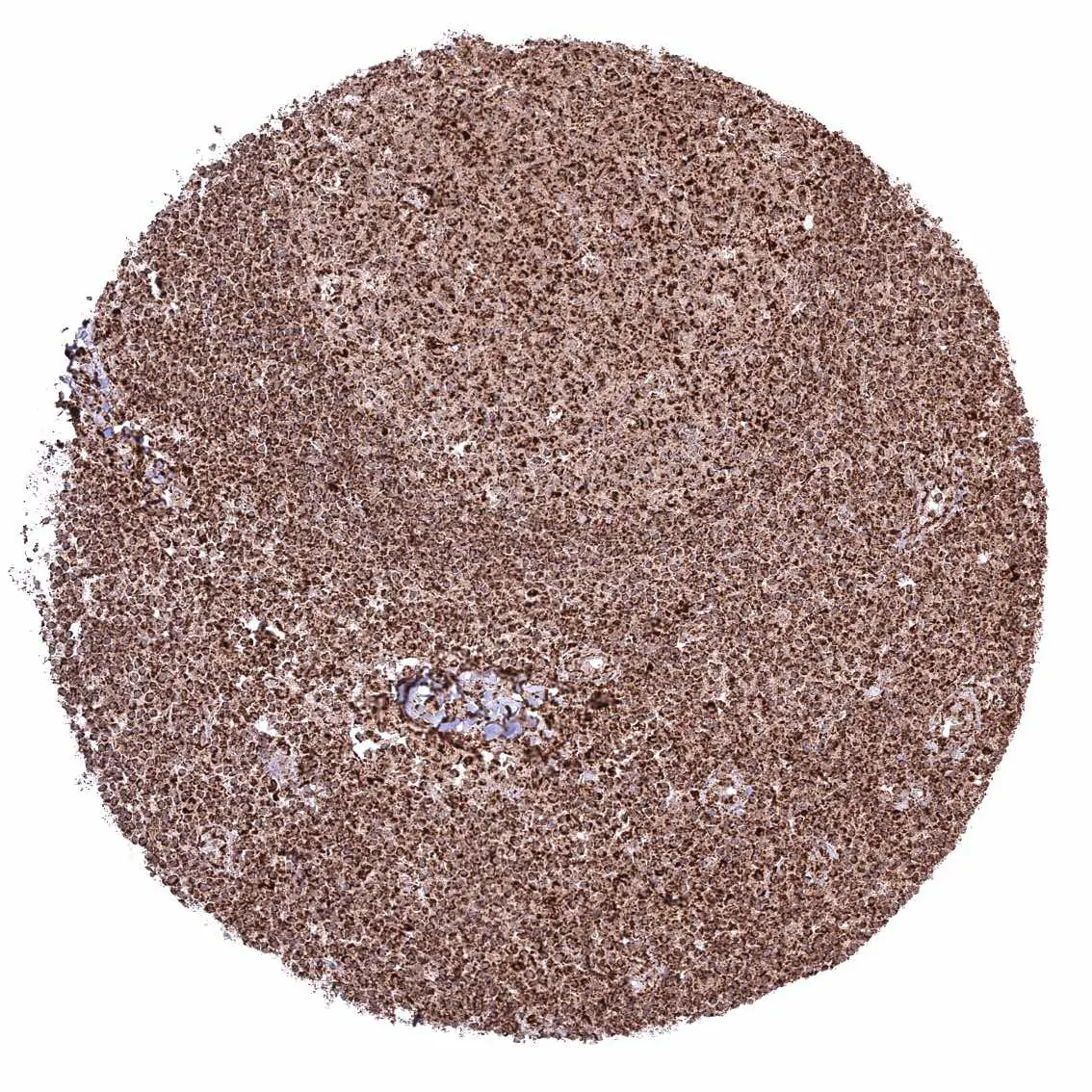
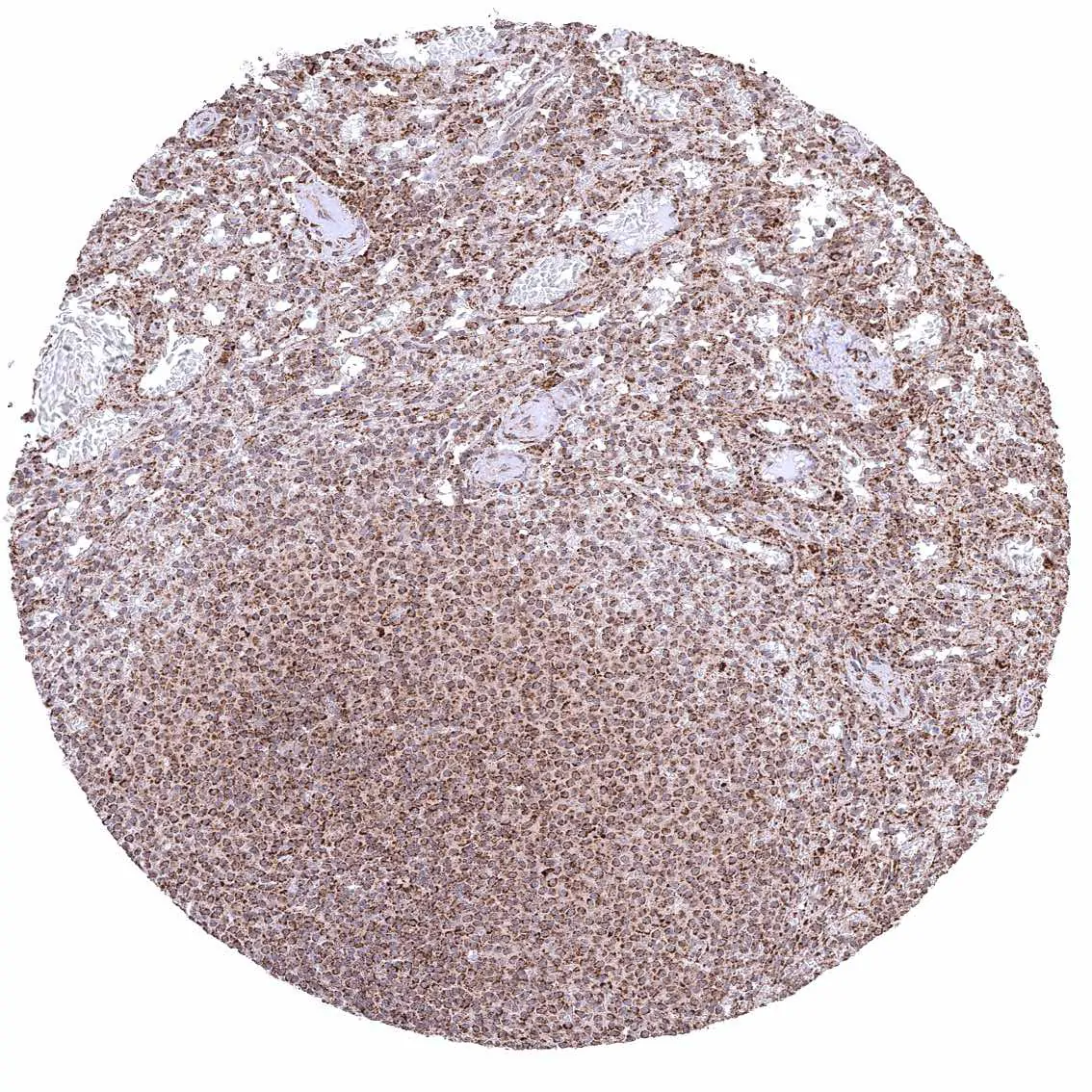
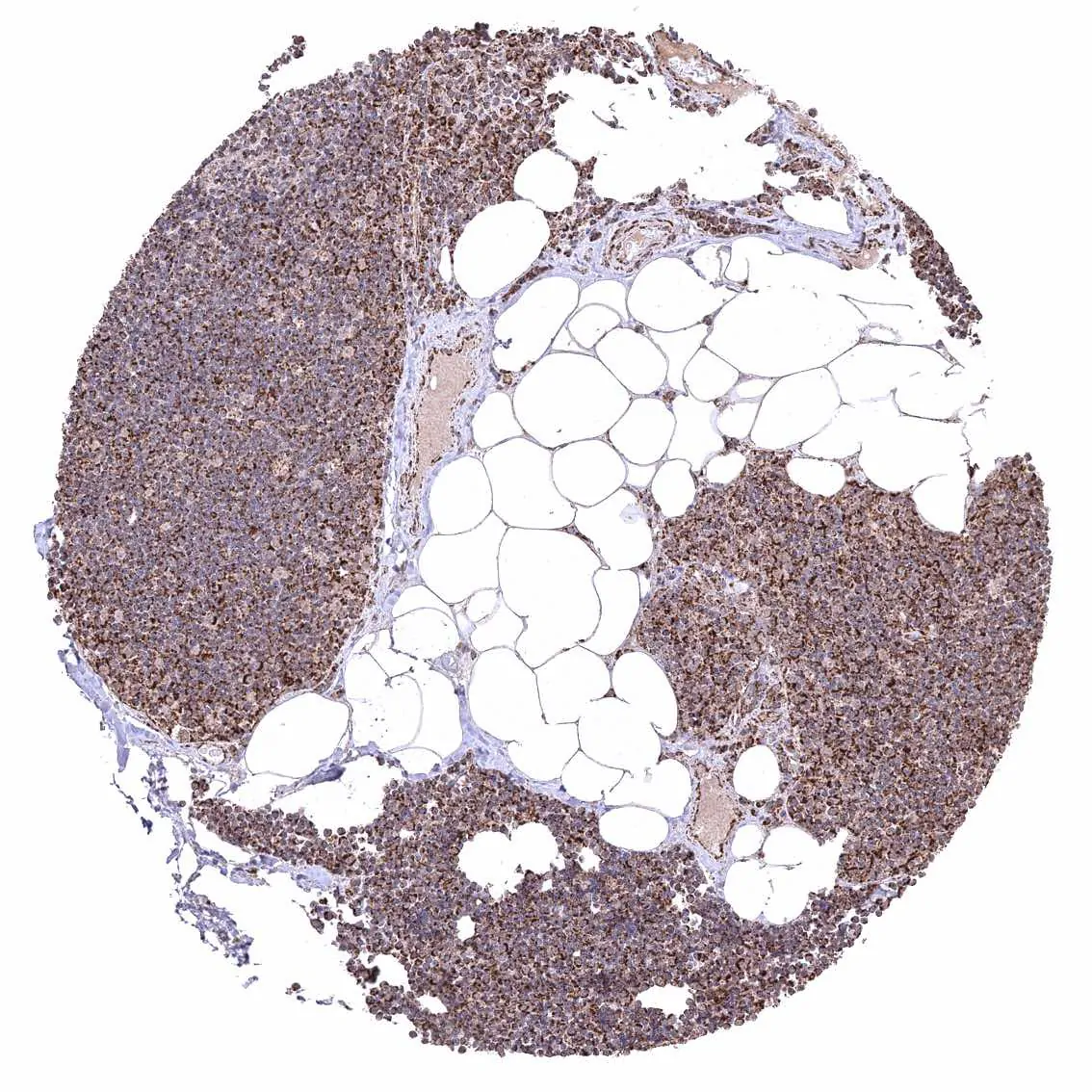
Lymph node

Ovary, corpus luteum

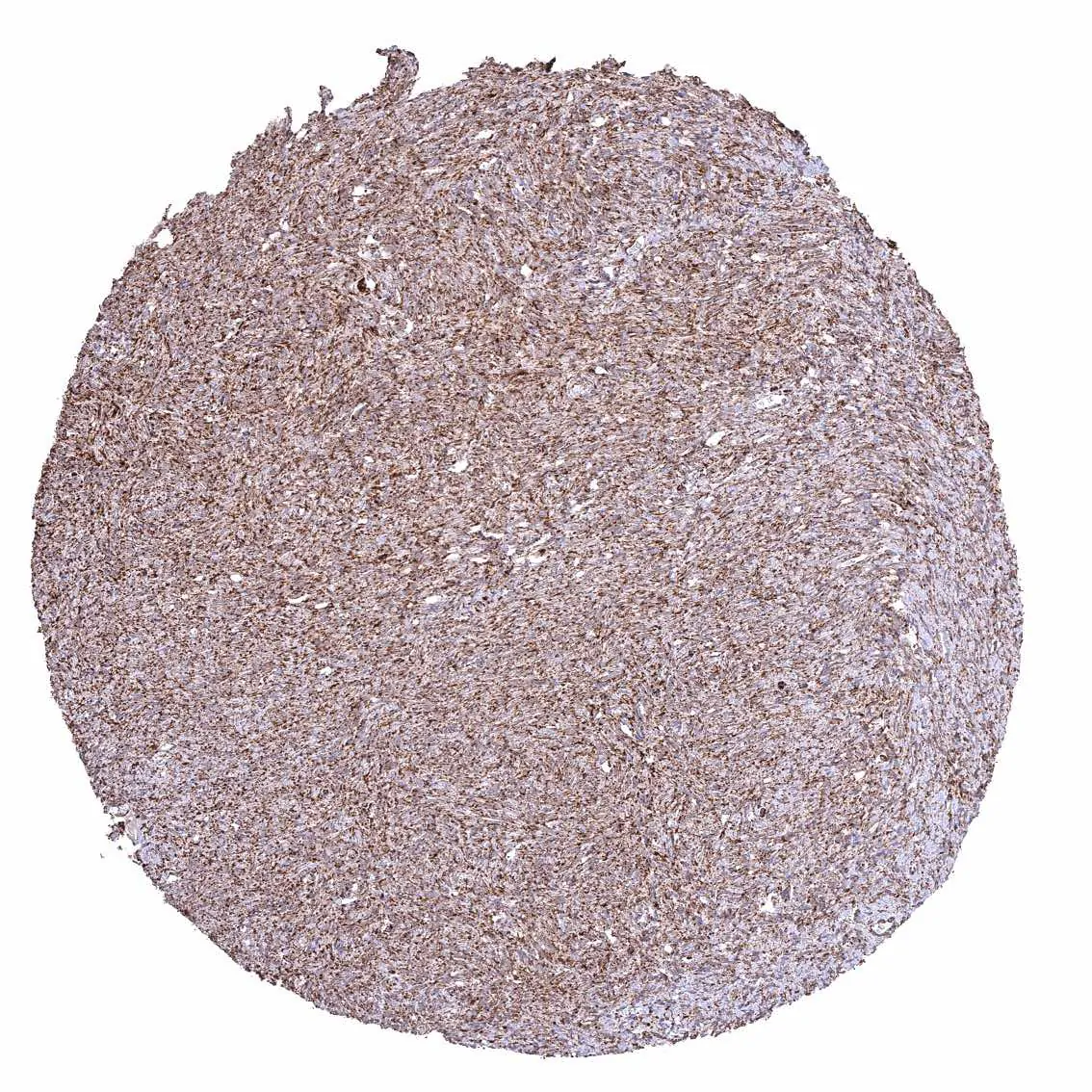
Ovary, stroma

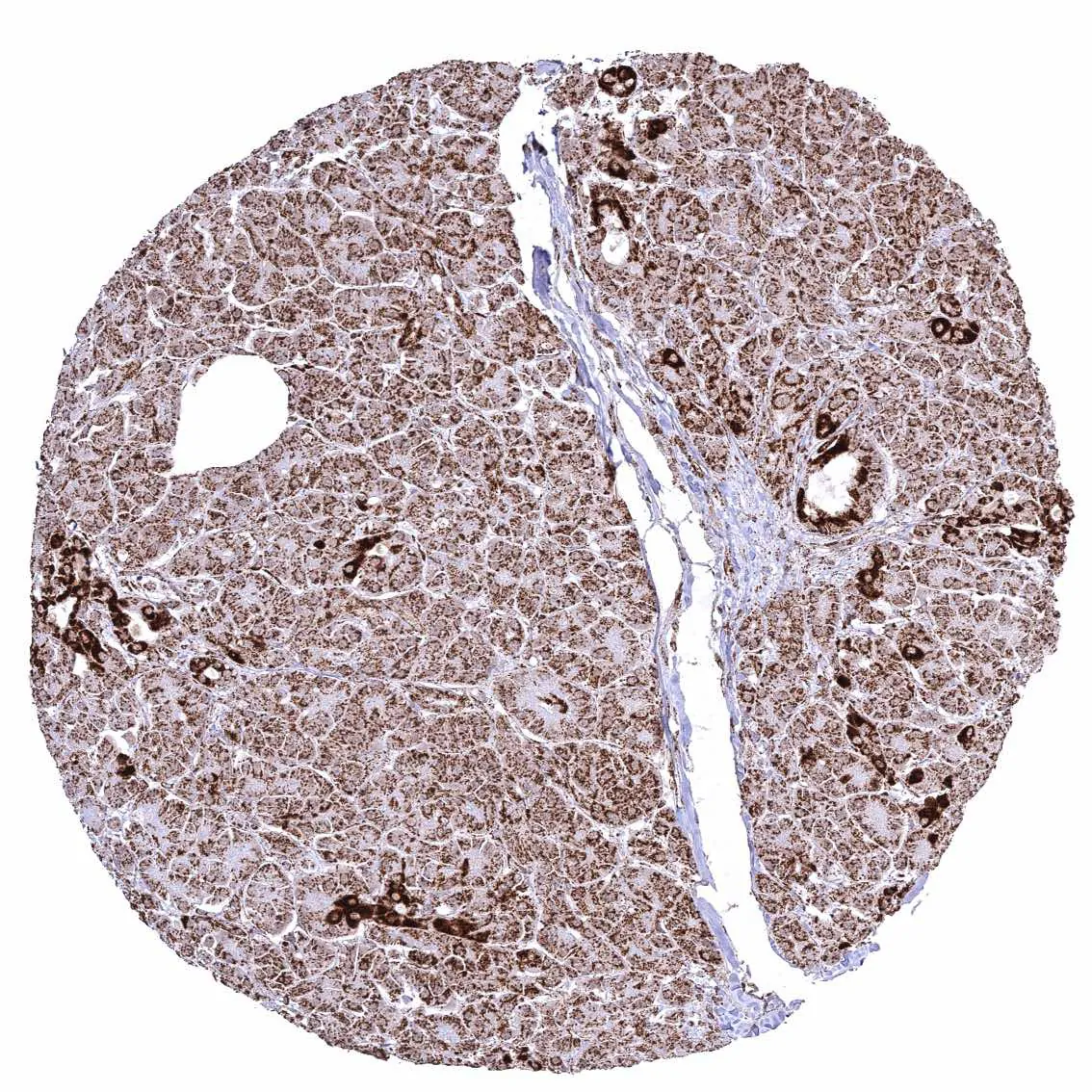
Pancreas – Distinct granular, perinuclear, cytoplasmic ATP5J staining in all cell types. Some cells with higher staining intensity may be related to the excretory system.


Parathyroid gland

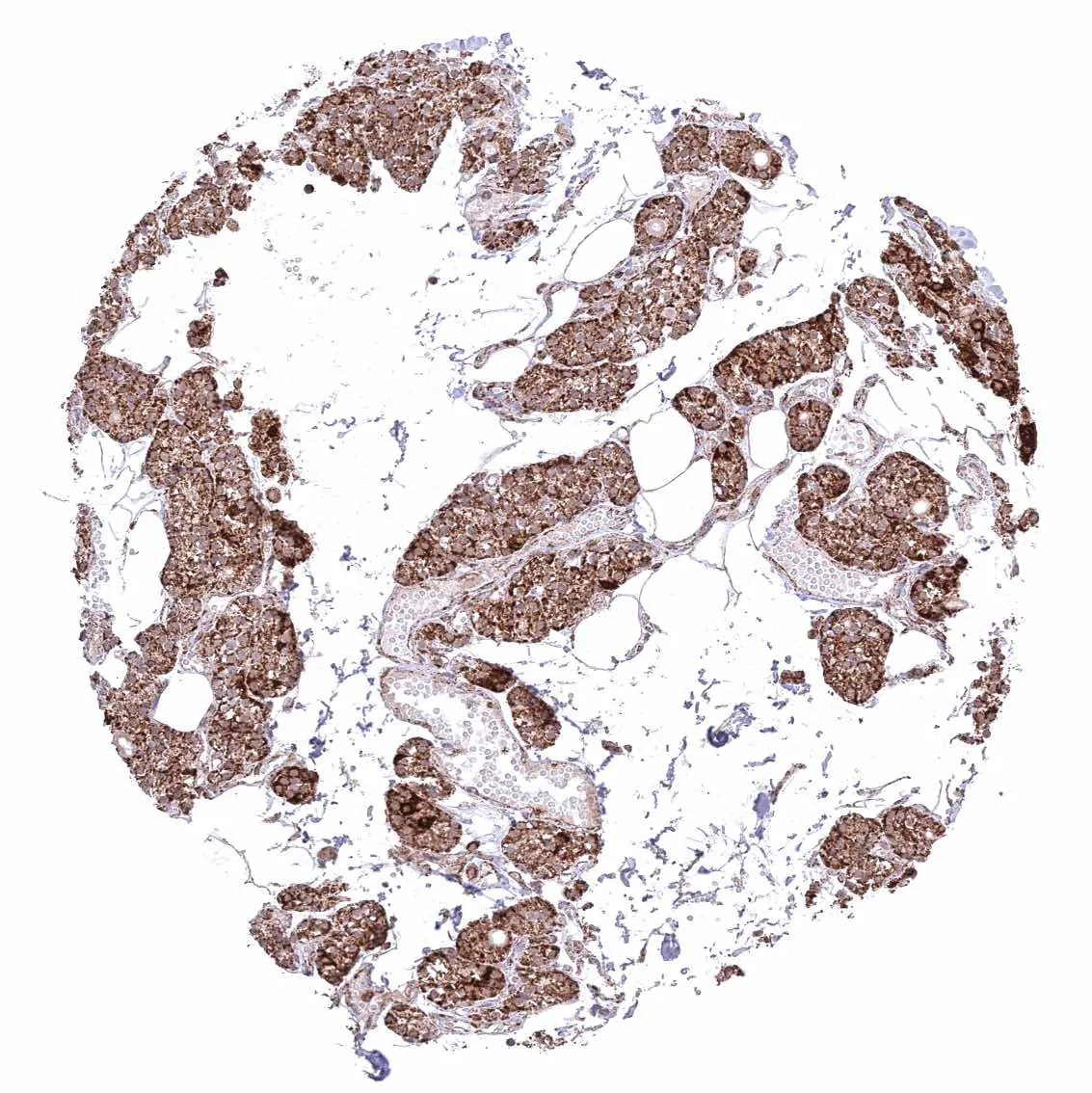
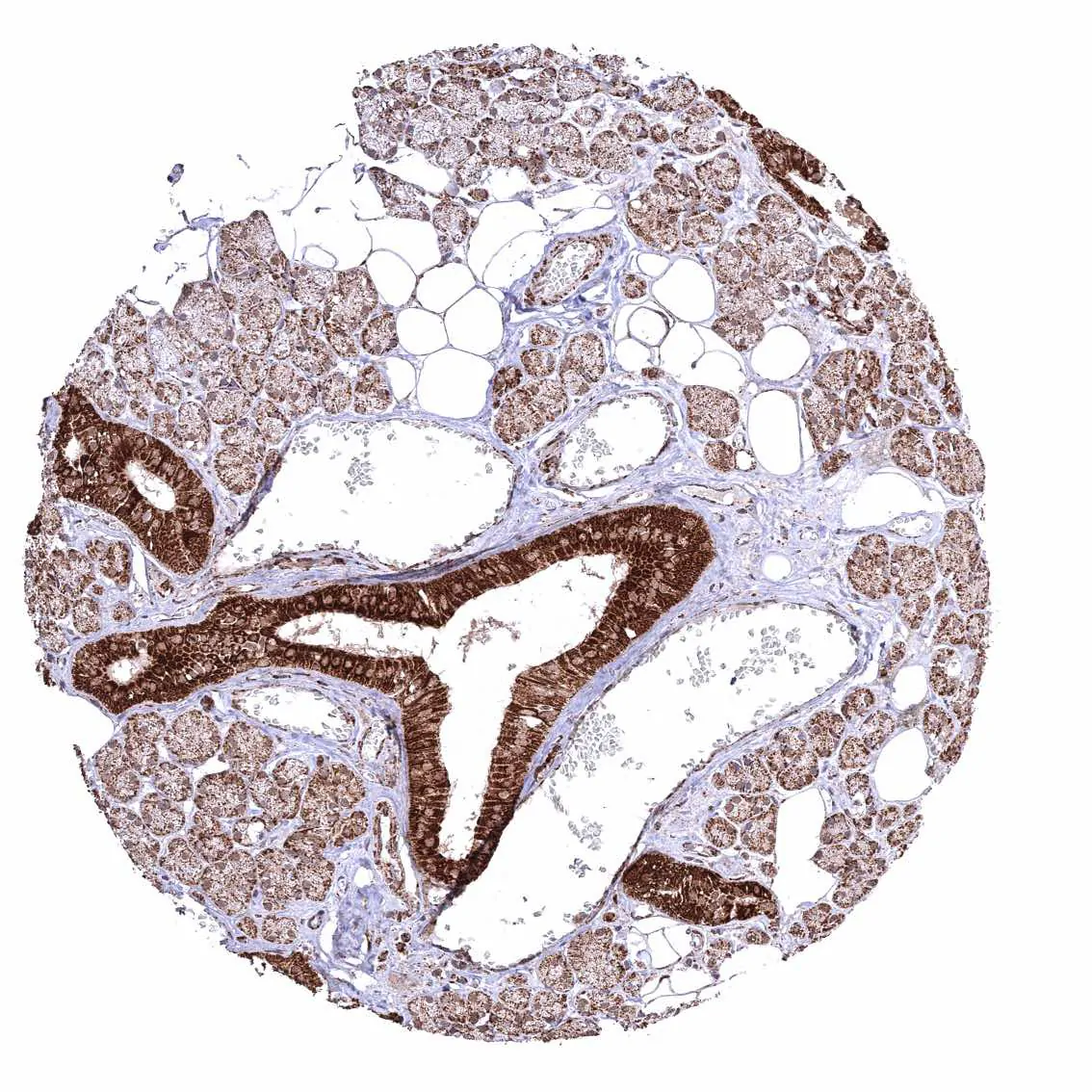
Parotid gland – Cytoplasmic ATP5J staining occurs in all cell types. It is very intense in excretory ducts but rather weak in glandular cells.

Pituitary gland, anterior lobe

Pituitary gland, posterior lobe


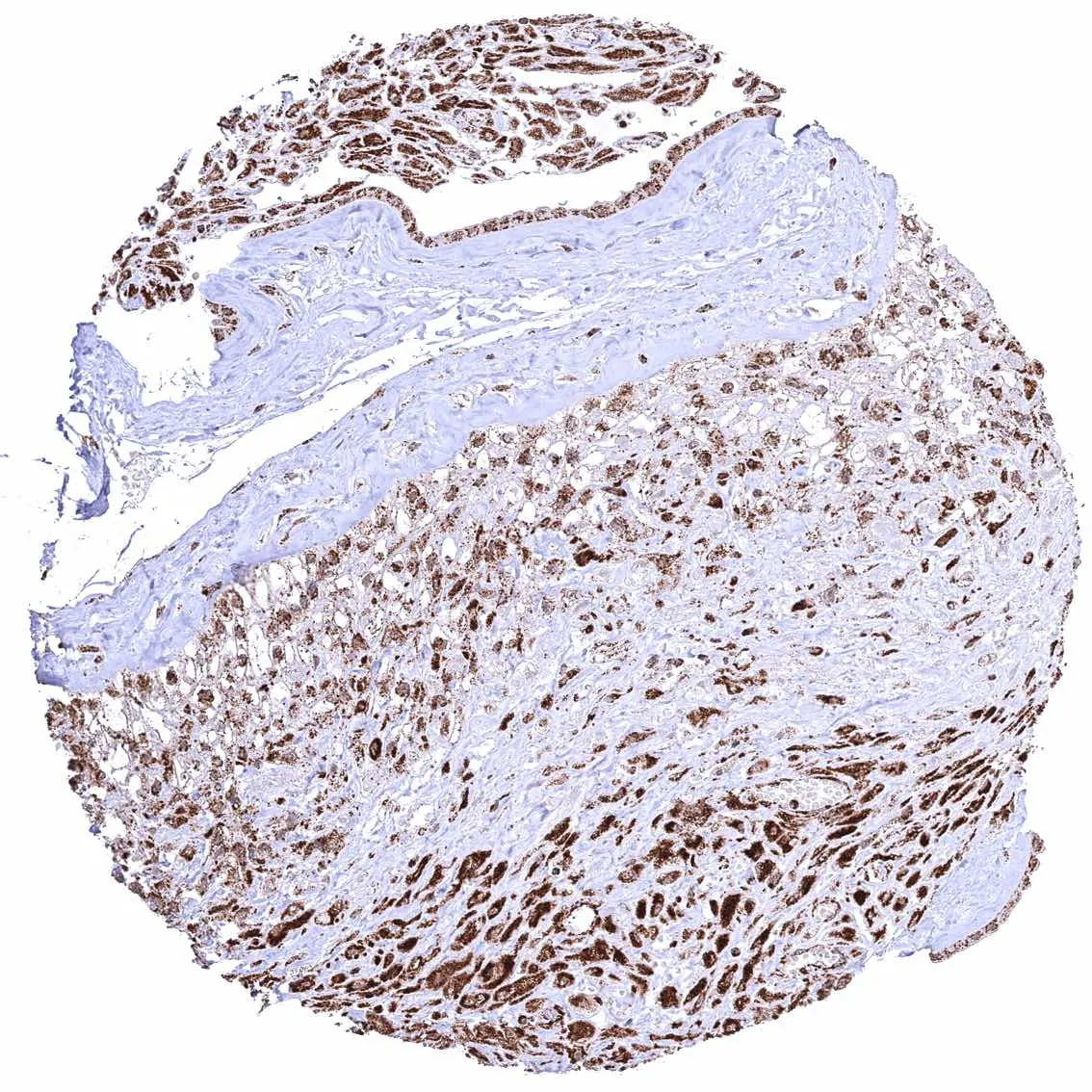
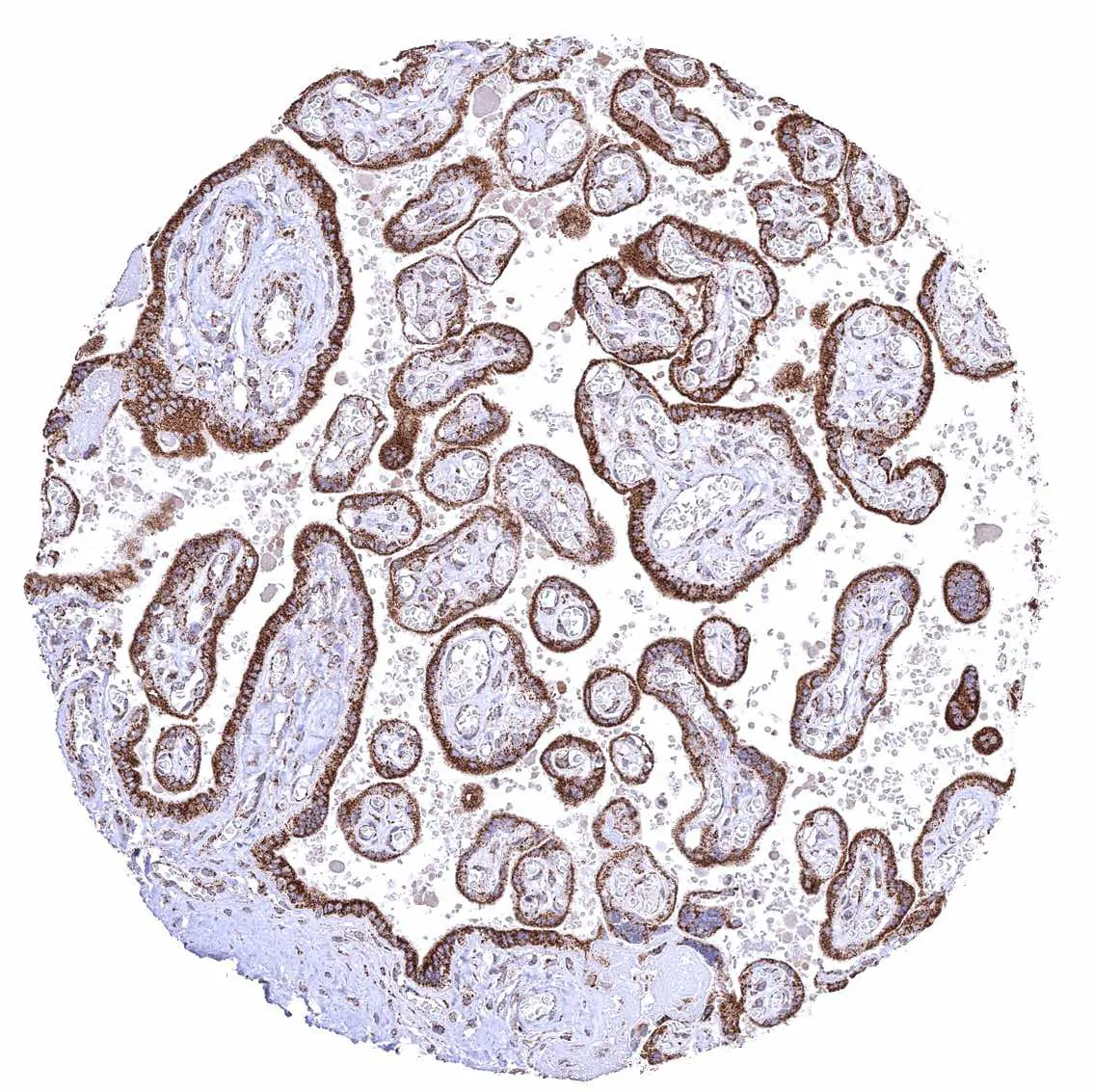
Placenta (amnion and chorion) – Distinct cytoplasmic ATP5J staining of amnion and chorion cells.

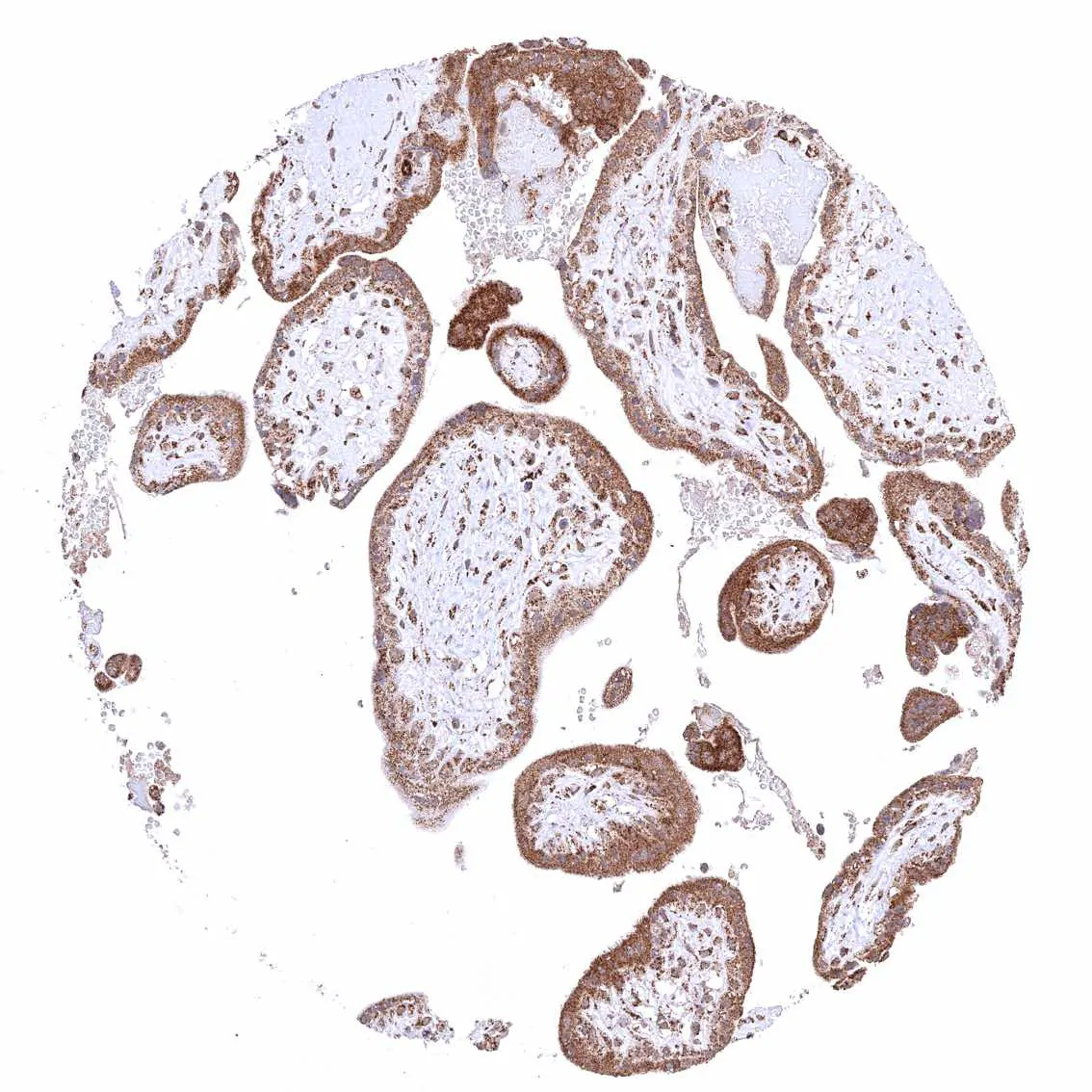
Placenta, early

Placenta, mature

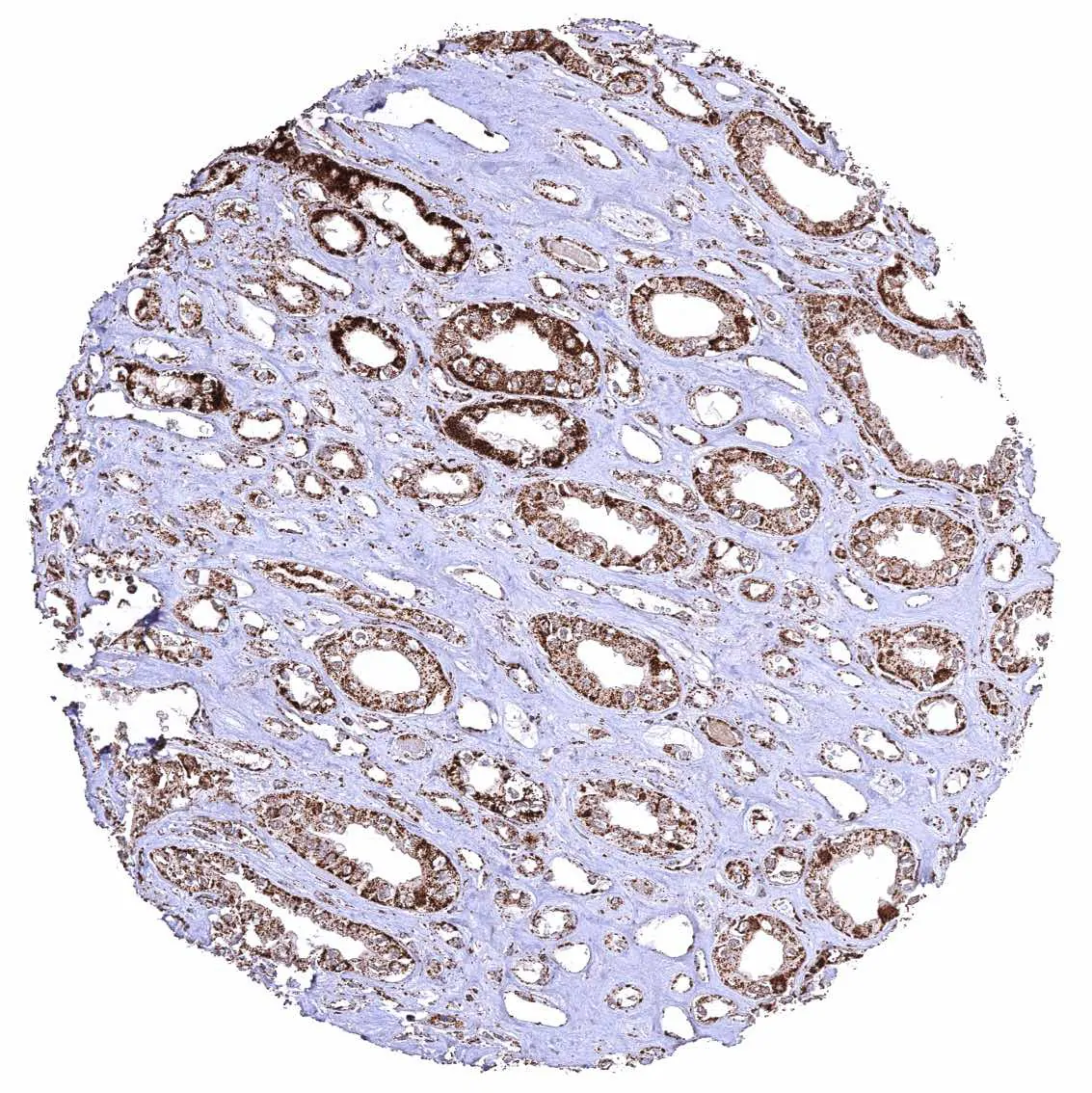
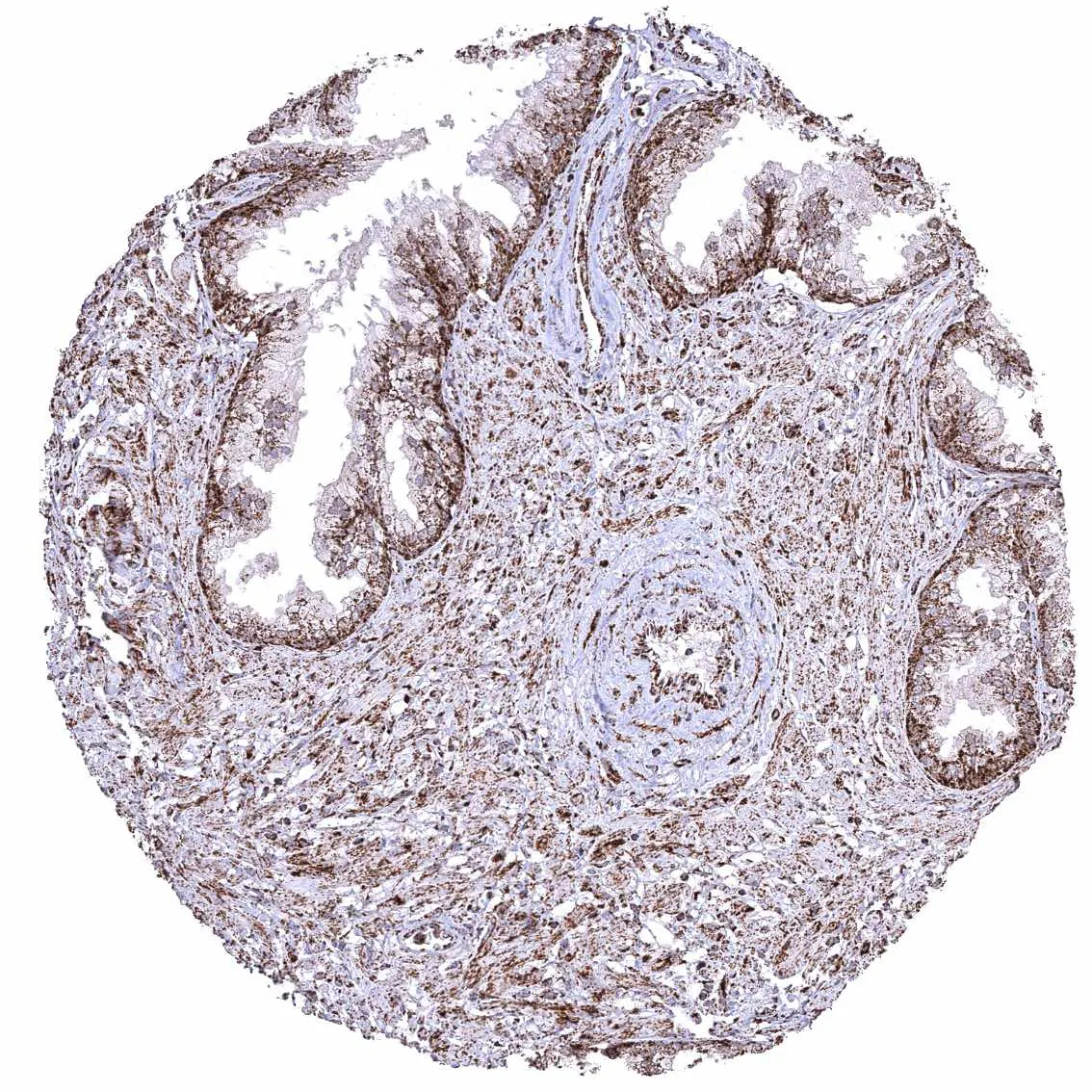
Prostate


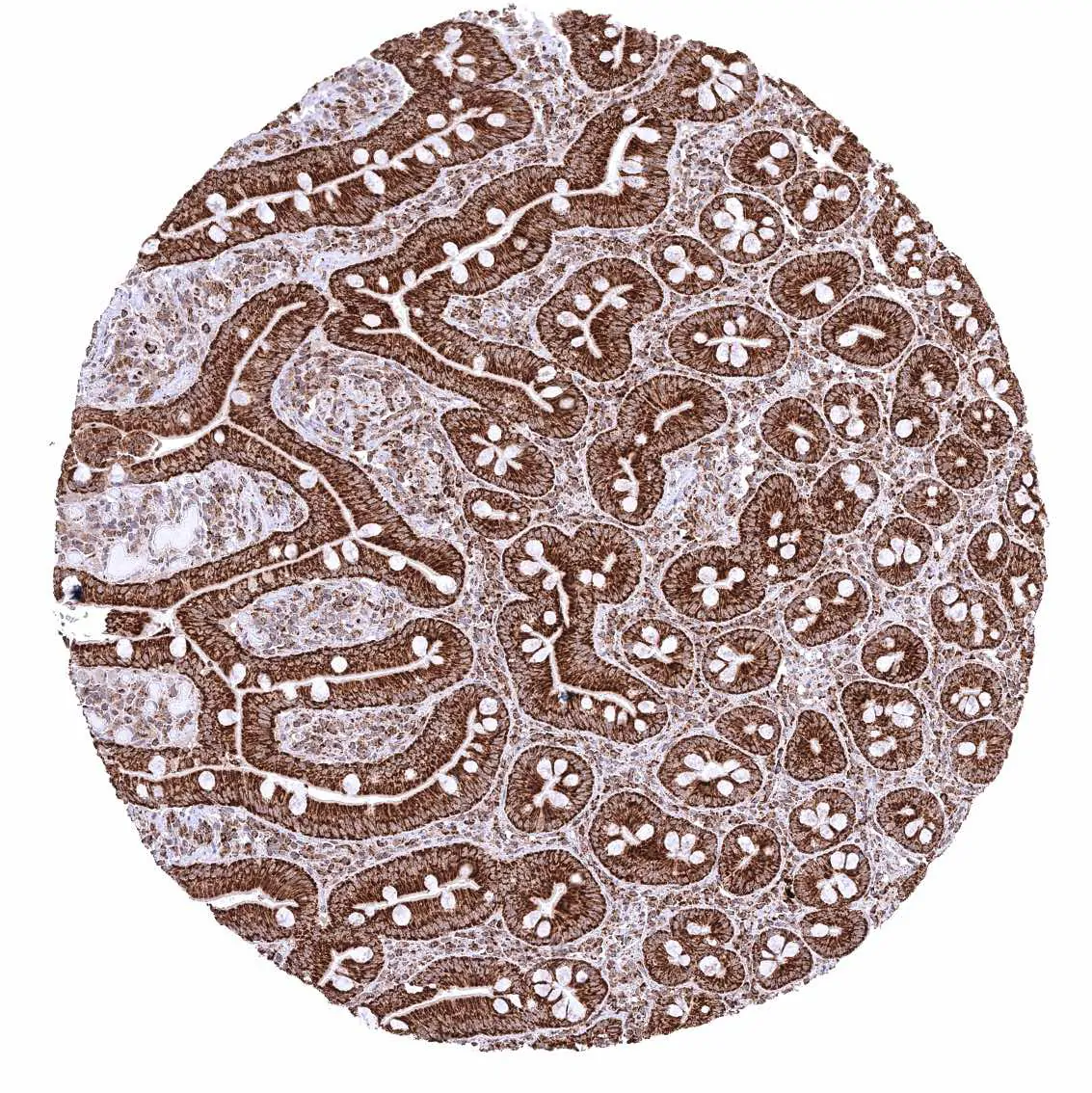
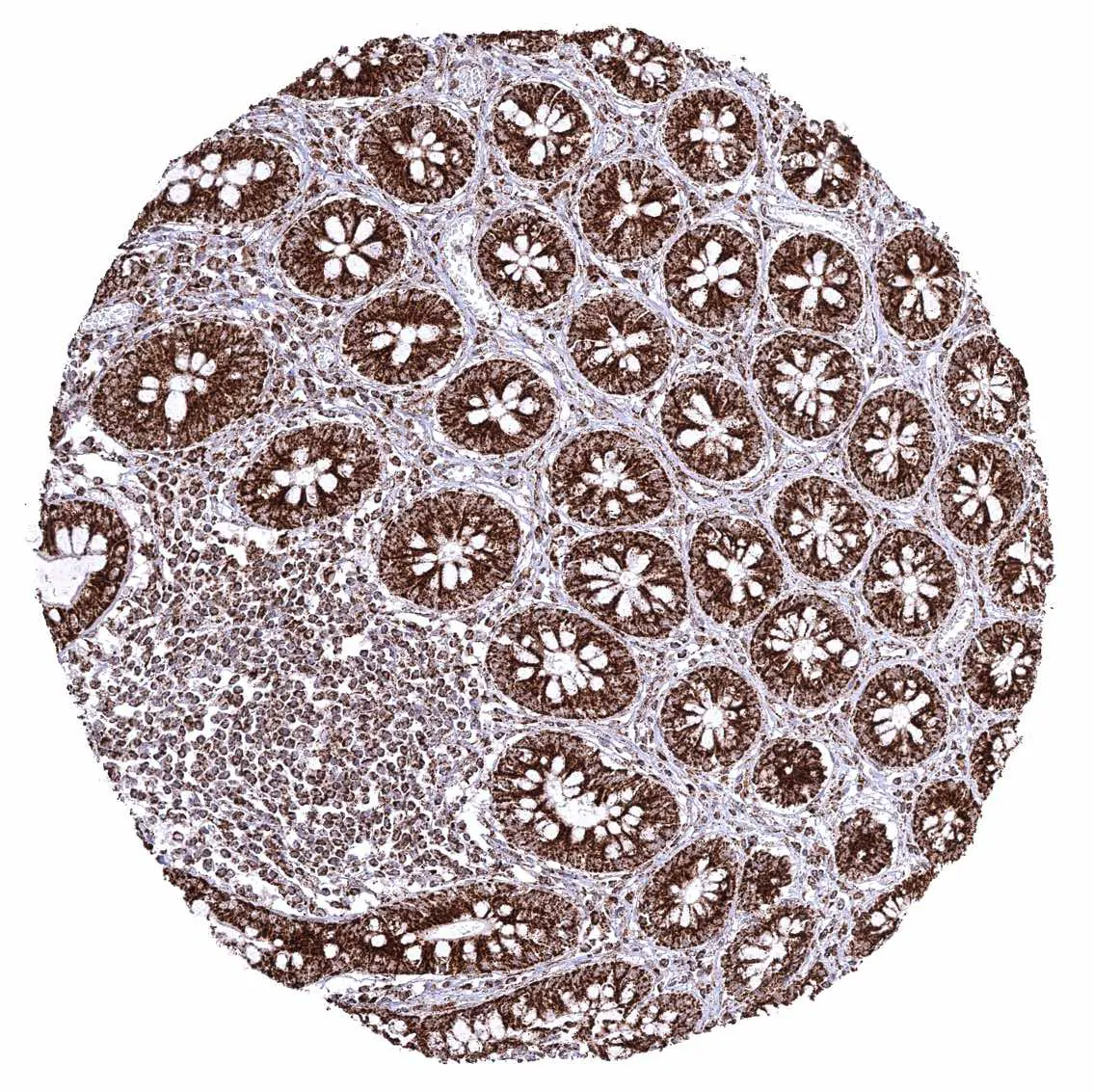
Rectum, mucosa

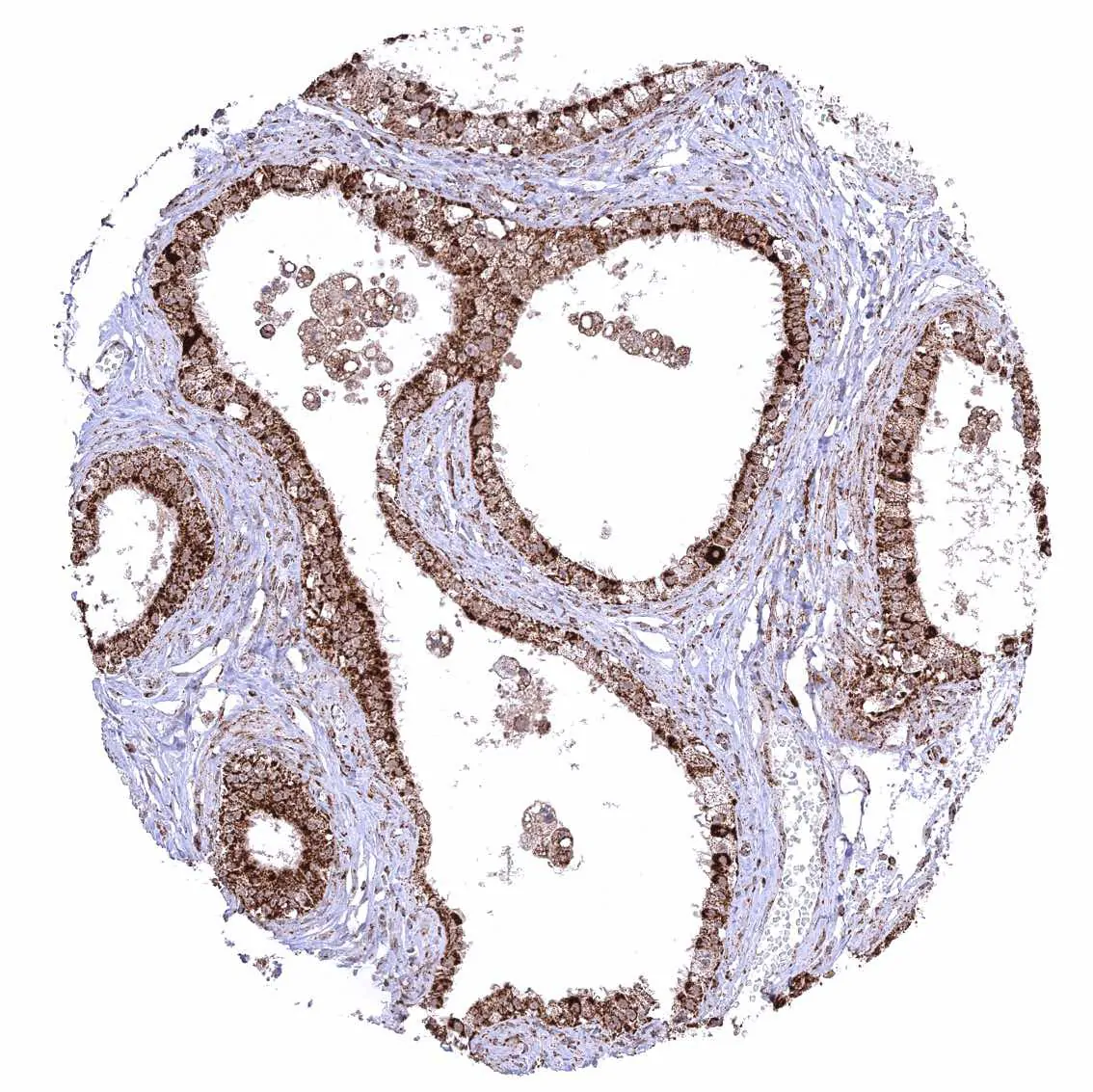
Seminal vesicle

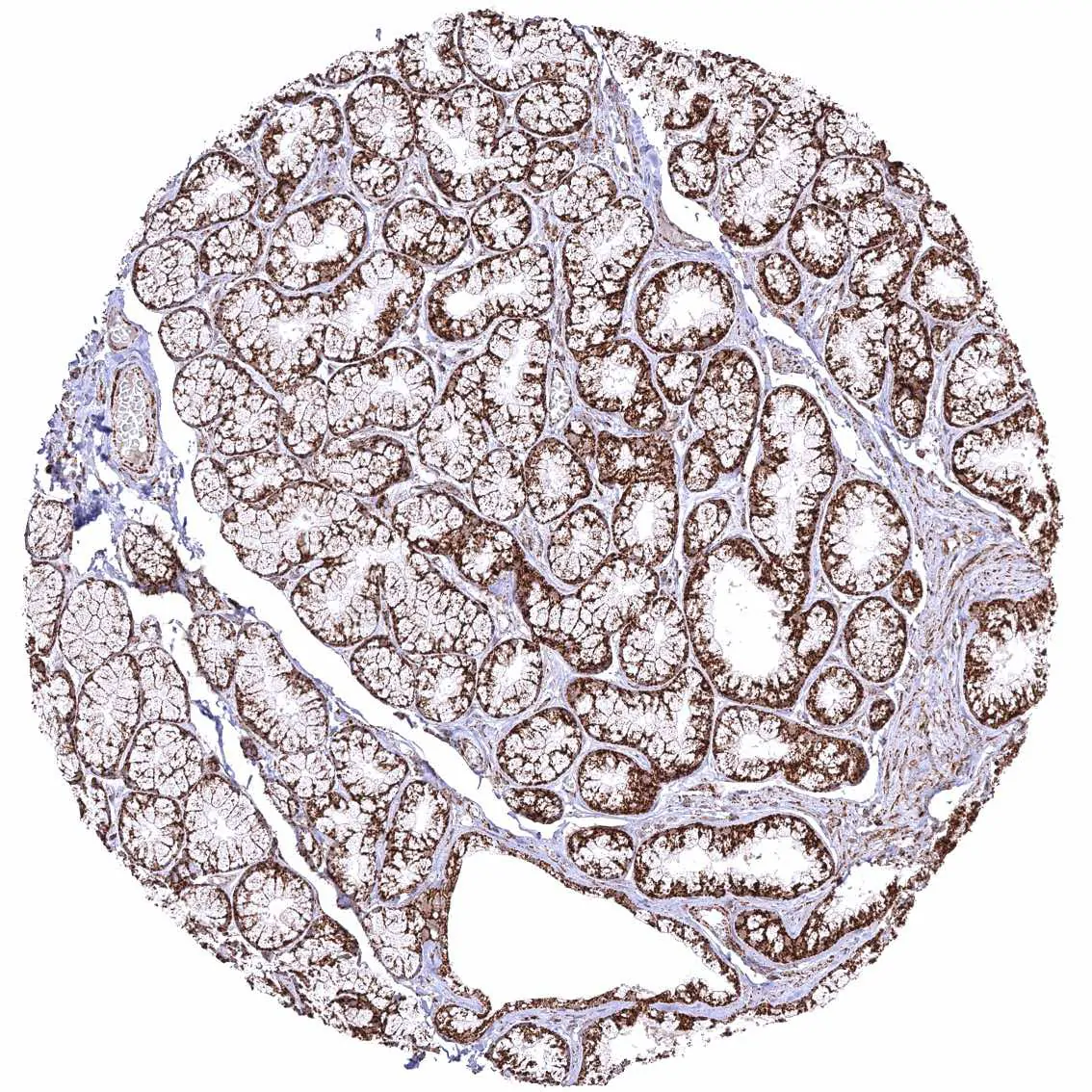
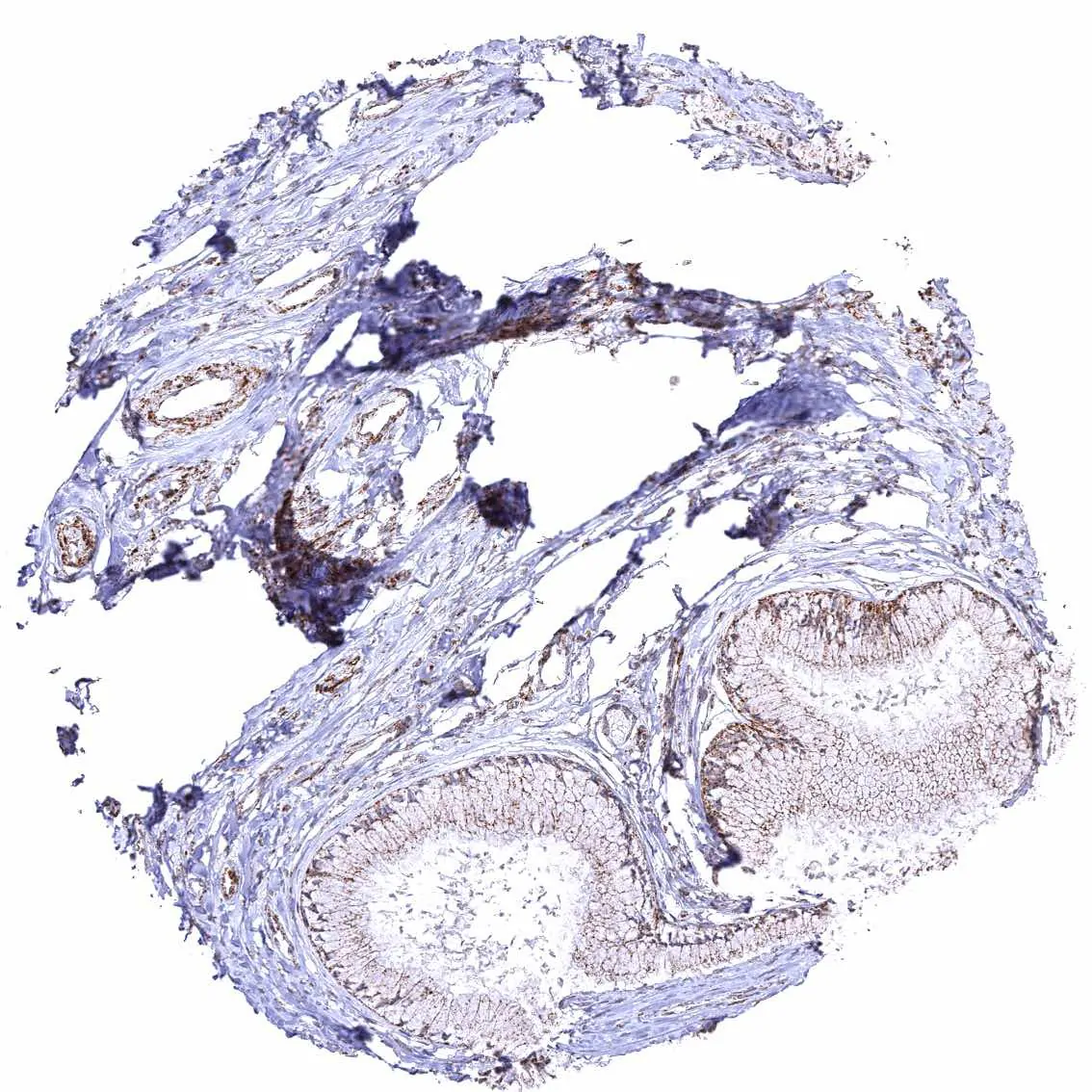
Sinus paranasales – Cytoplasmic ATP5J staining occurs in all cell types. A characteristic granular cytoplasmic staining is seen below the apical membranes.

Skeletal muscle


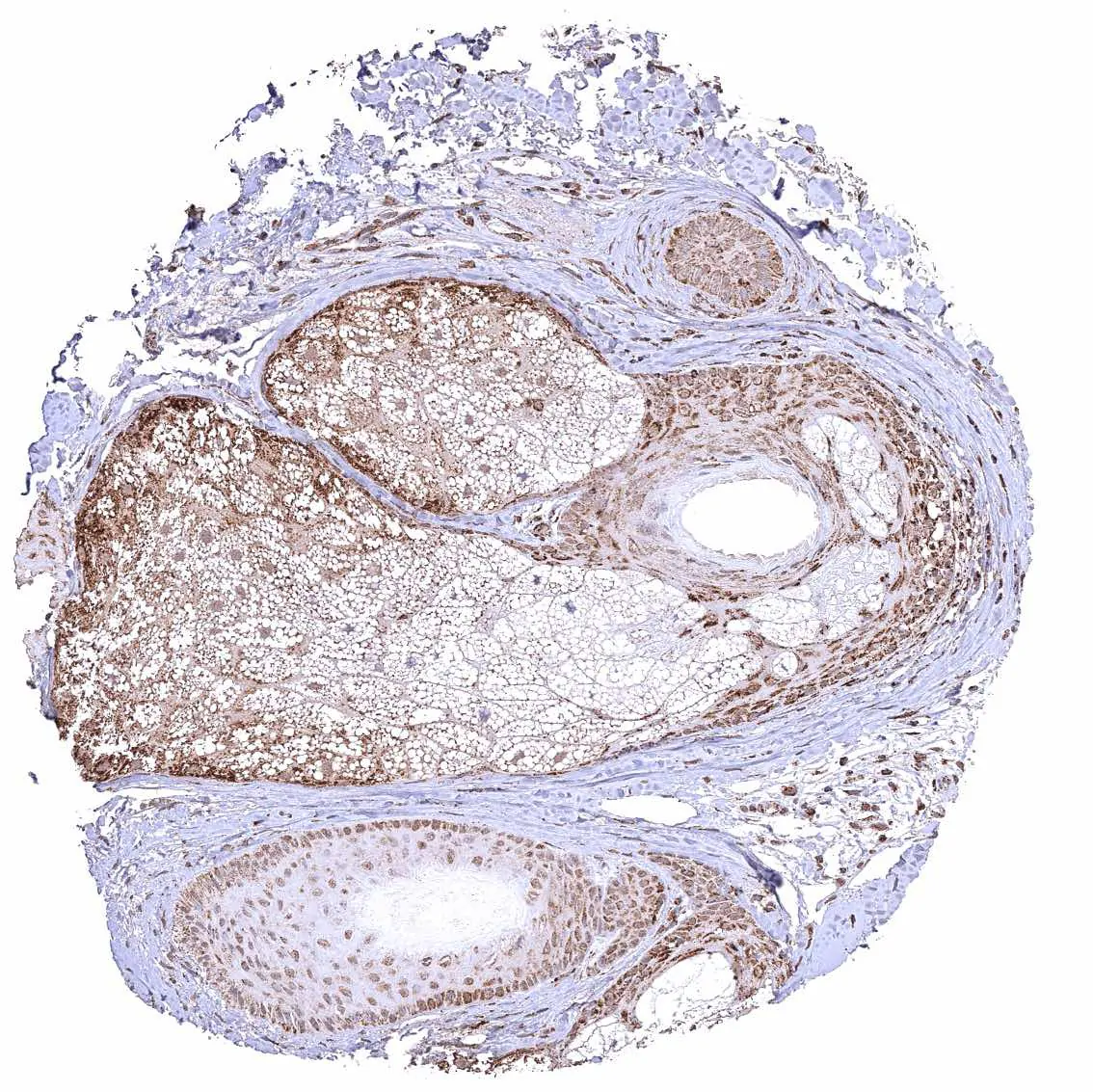
Skin, hairfollicel and sebaceous glands – Distinct cytoplasmic ATP5J staining of all cell types of hair follicles but staining is particularly weak in sebaceous glandular cells.

Skin

Spleen

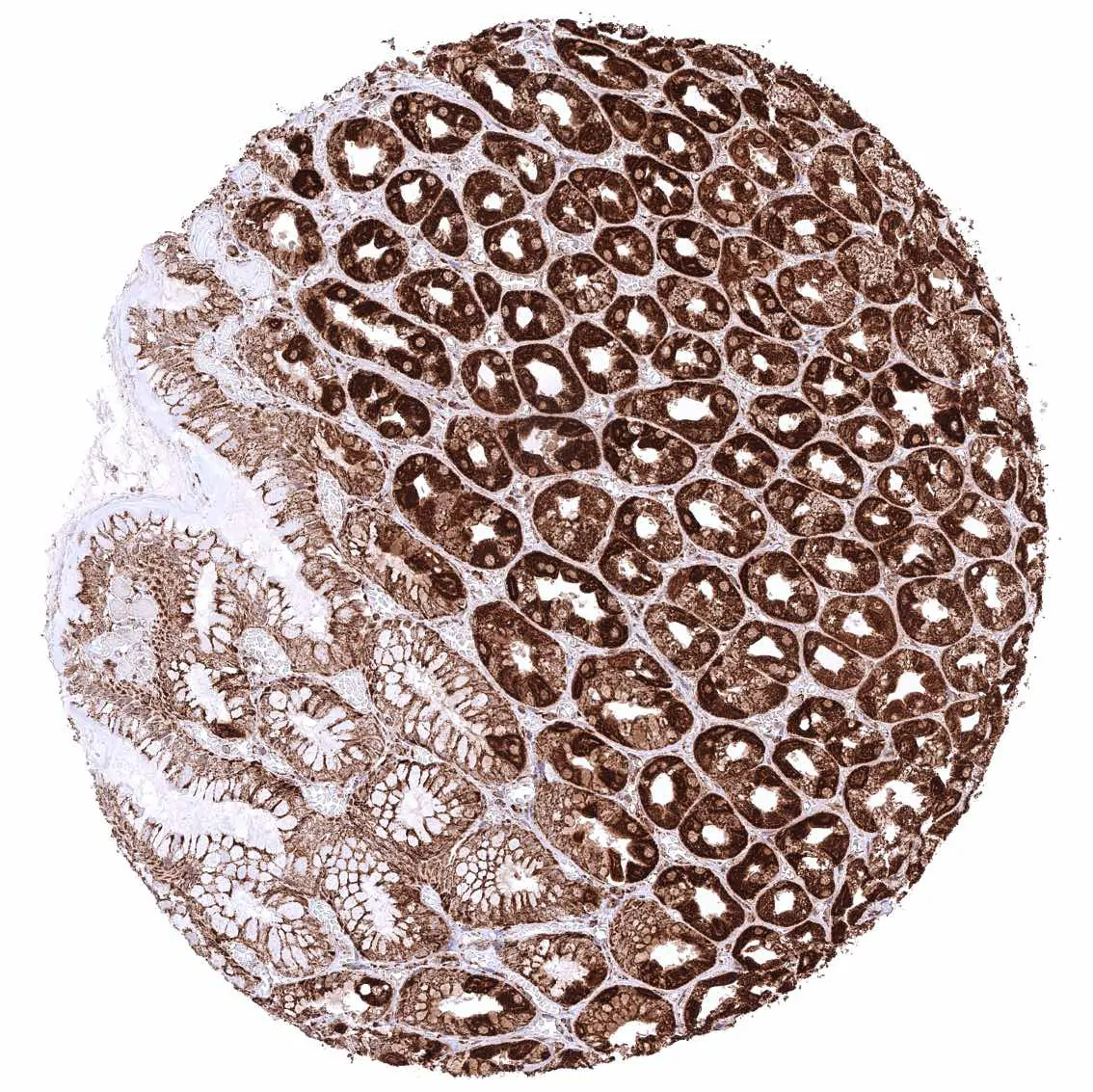
Stomach, corpus – Cytoplasmic ATP5J staining occurs in all cell types. It is most intense in parietal cells and least intense in superficial epithelial cells.


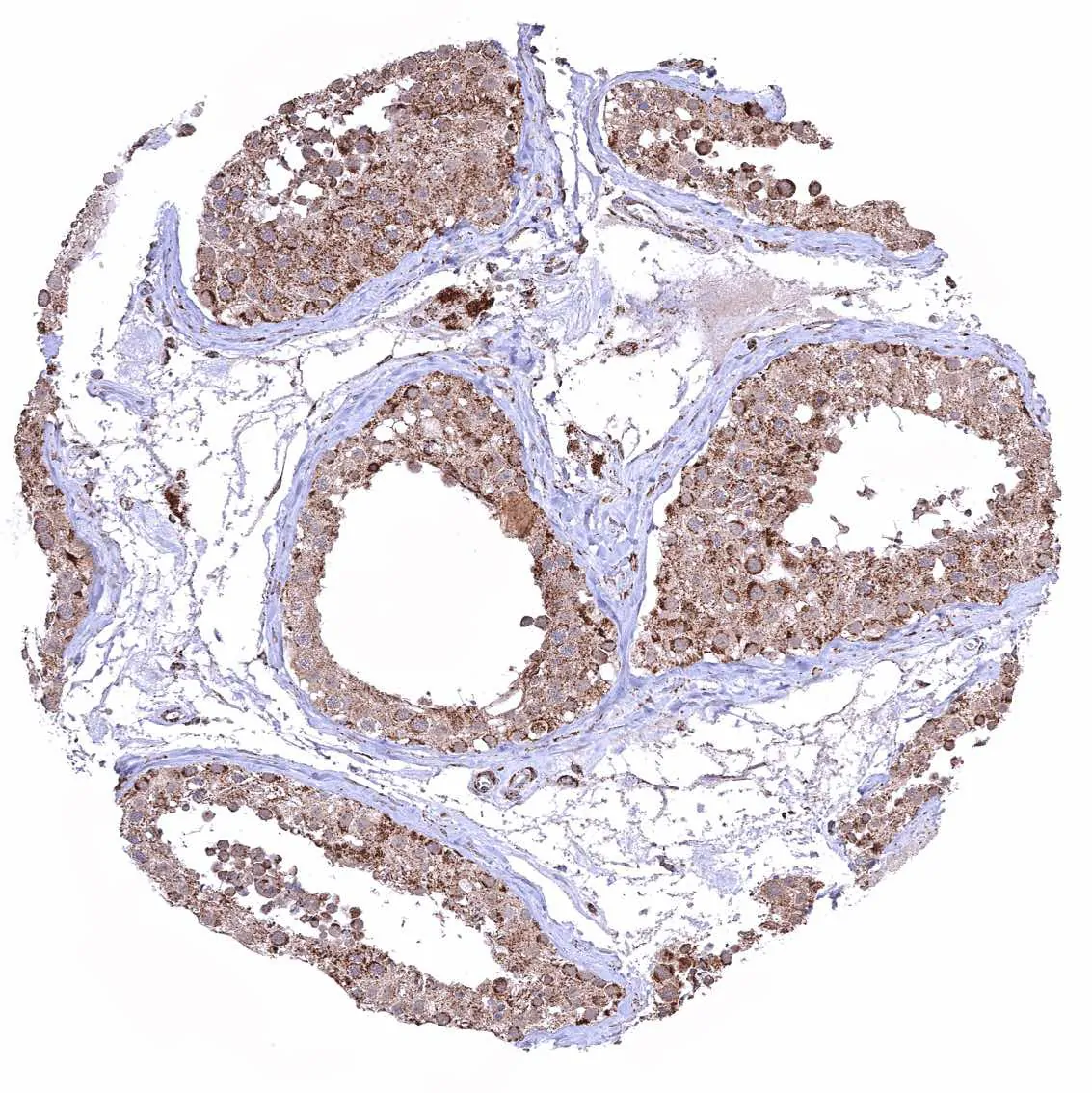
Testis

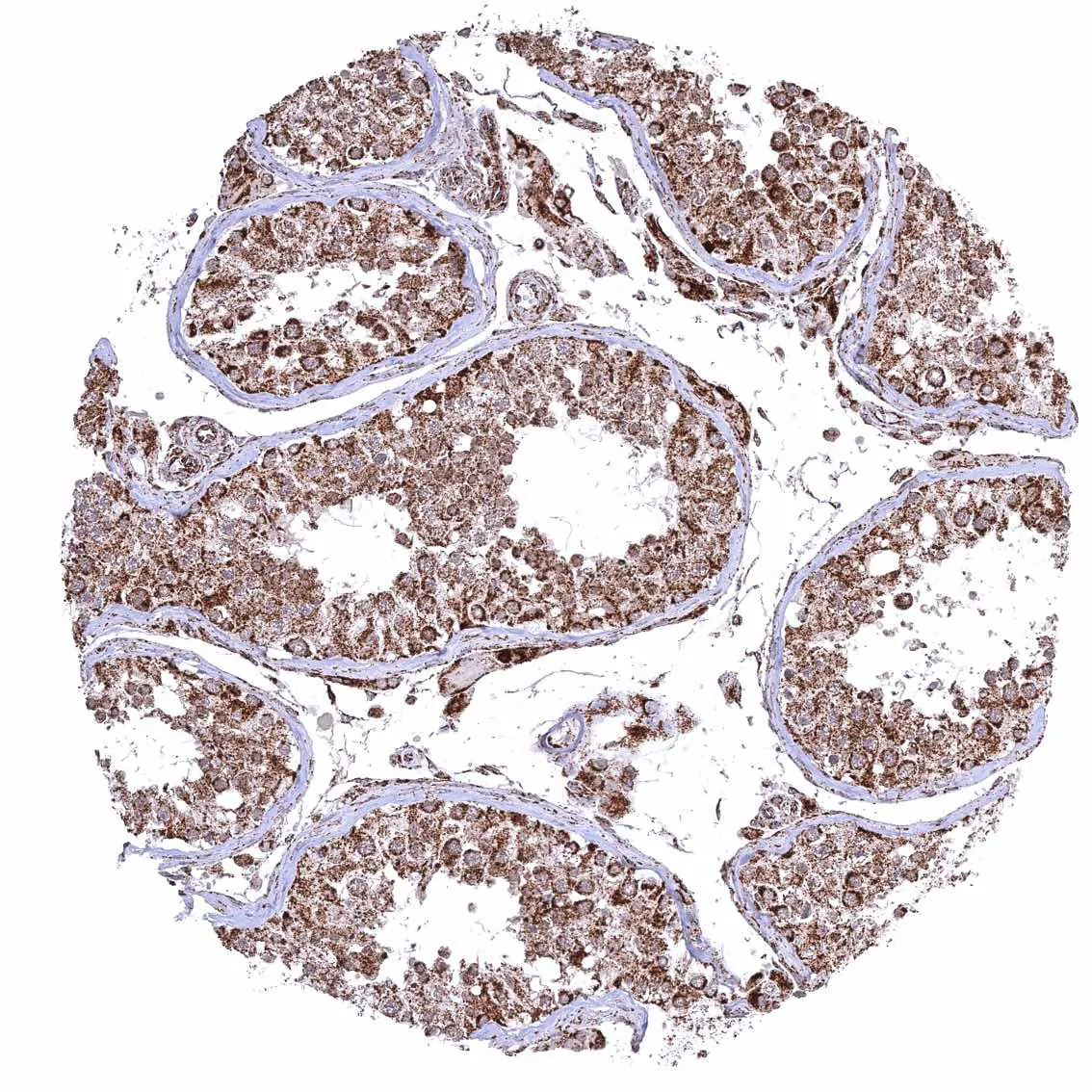
Testis

Thymus

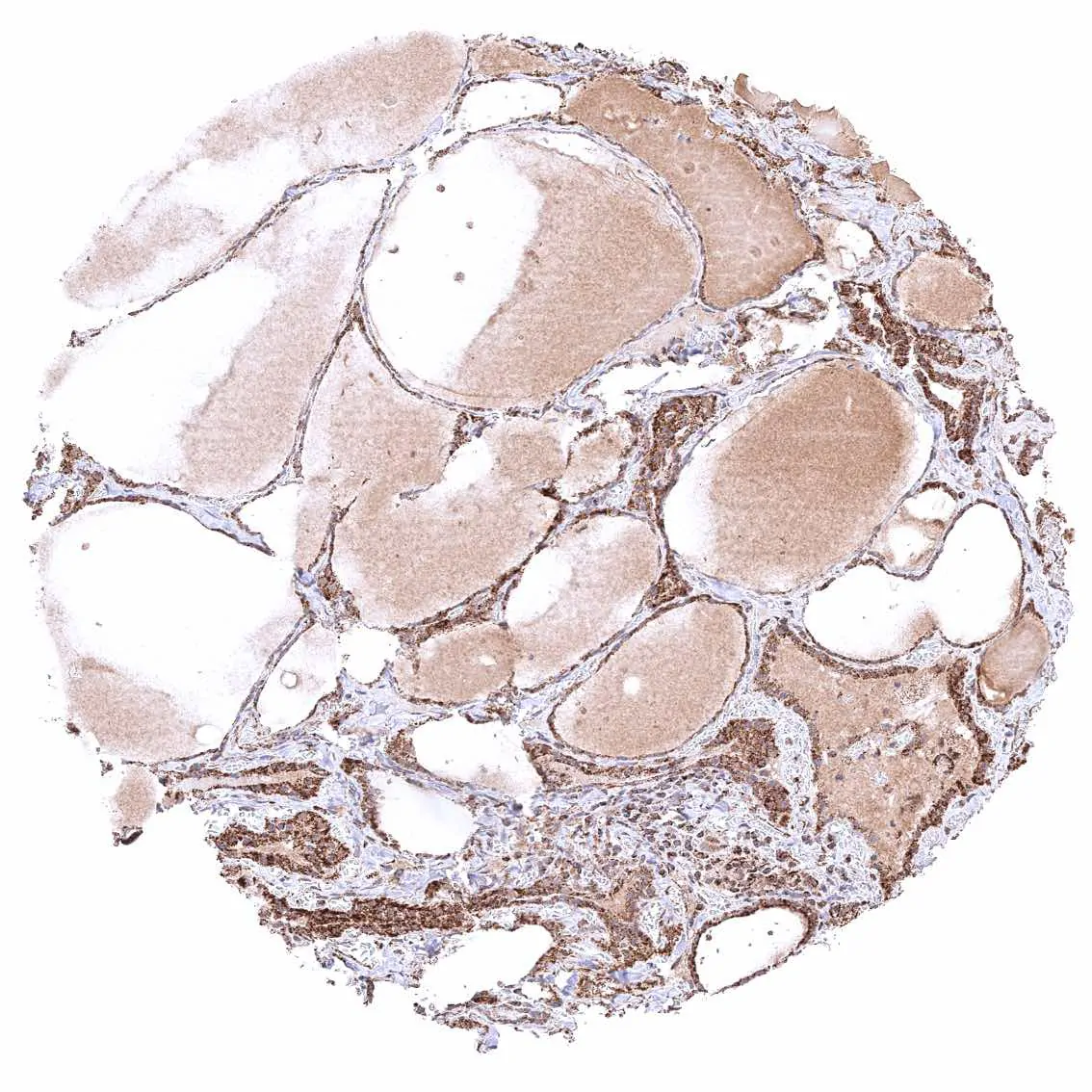
Thyroid gland


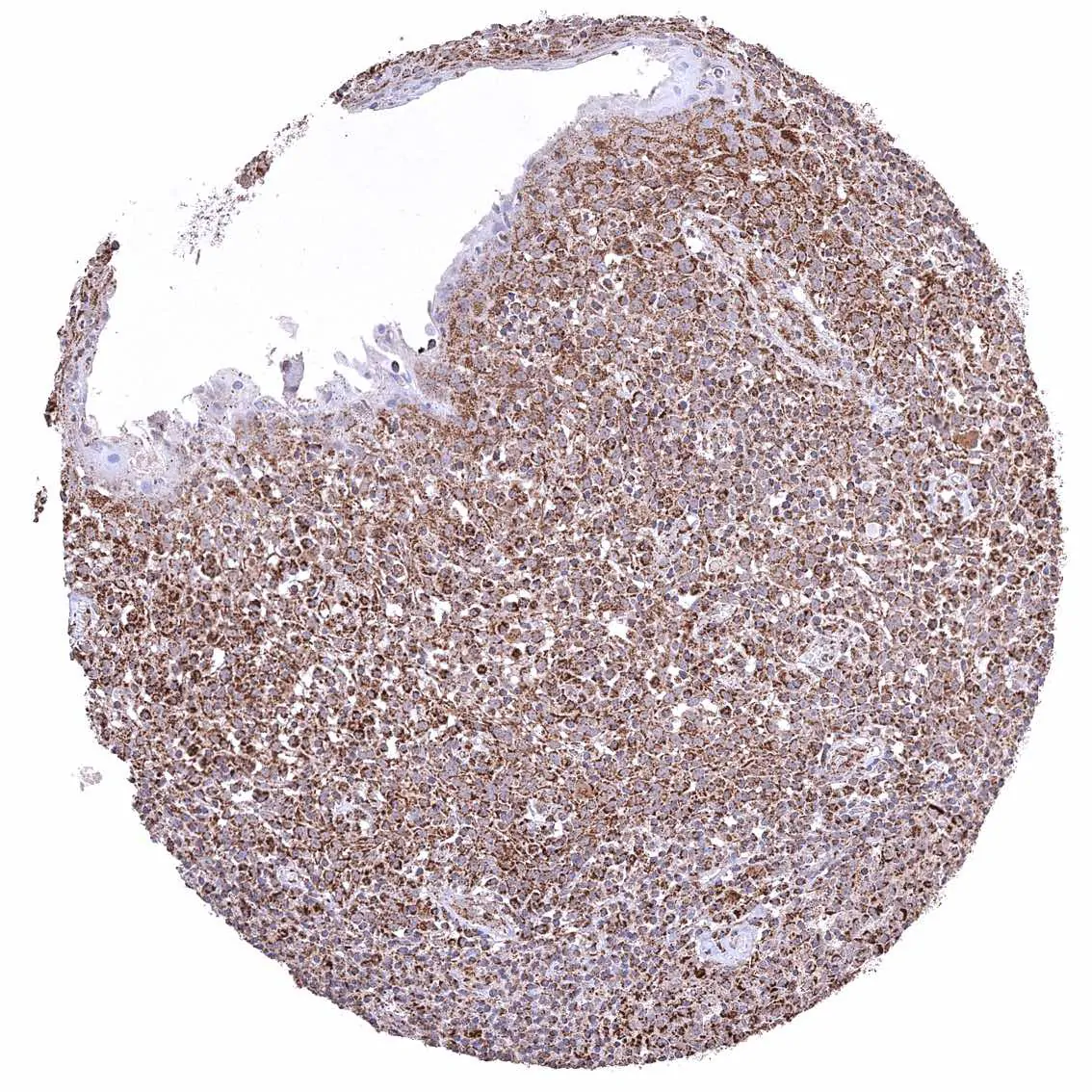
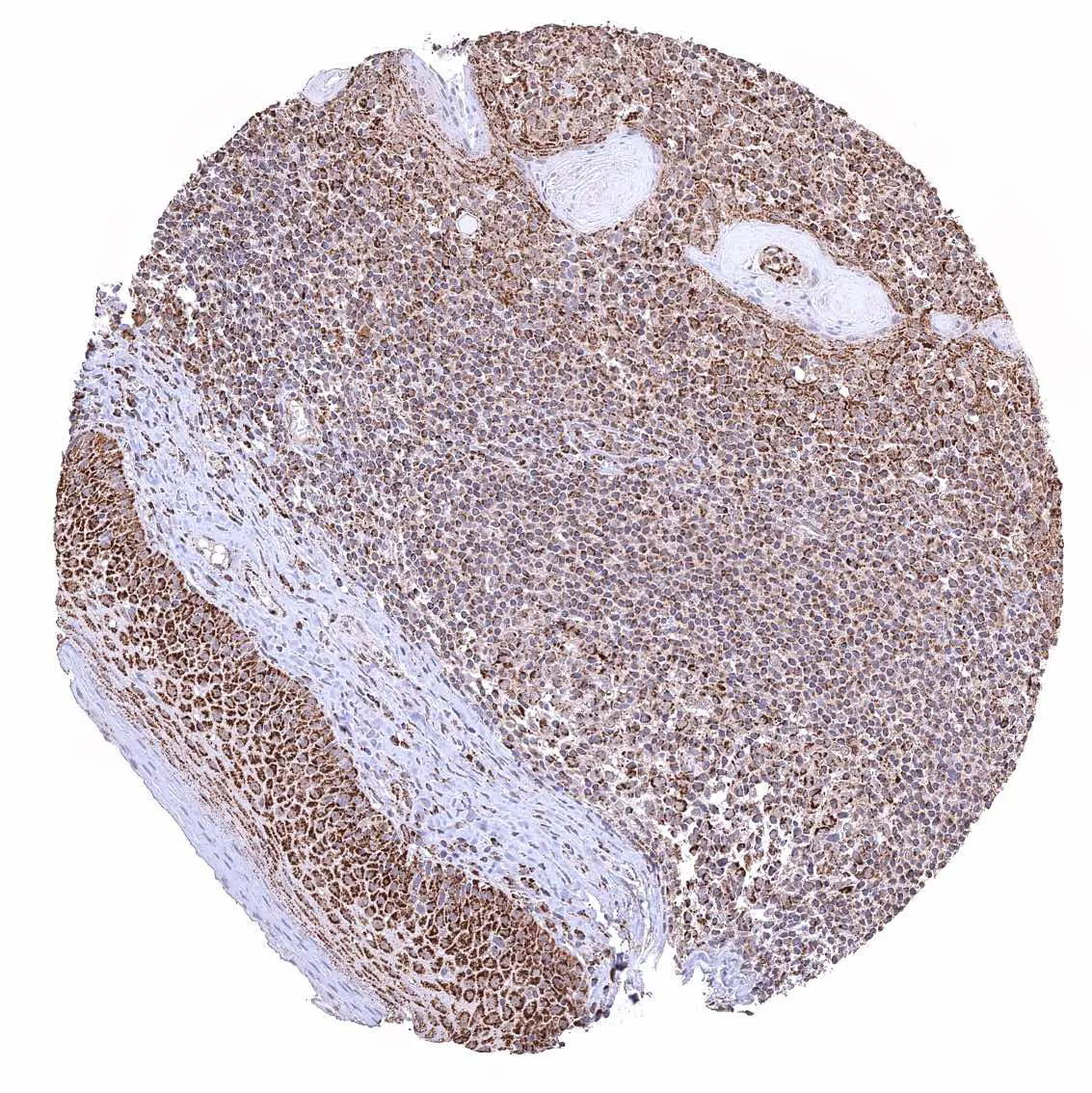
Tonsil – Strong granular cytoplasmic ATP5J staining of all cell types. The staining is least intense in superficial cell layers of squamous epithelium.

Tonsil, surface epithelium – Strong granular cytoplasmic ATP5J staining of all cell types. The staining is least intense in superficial cell layers of squamous epithelium.

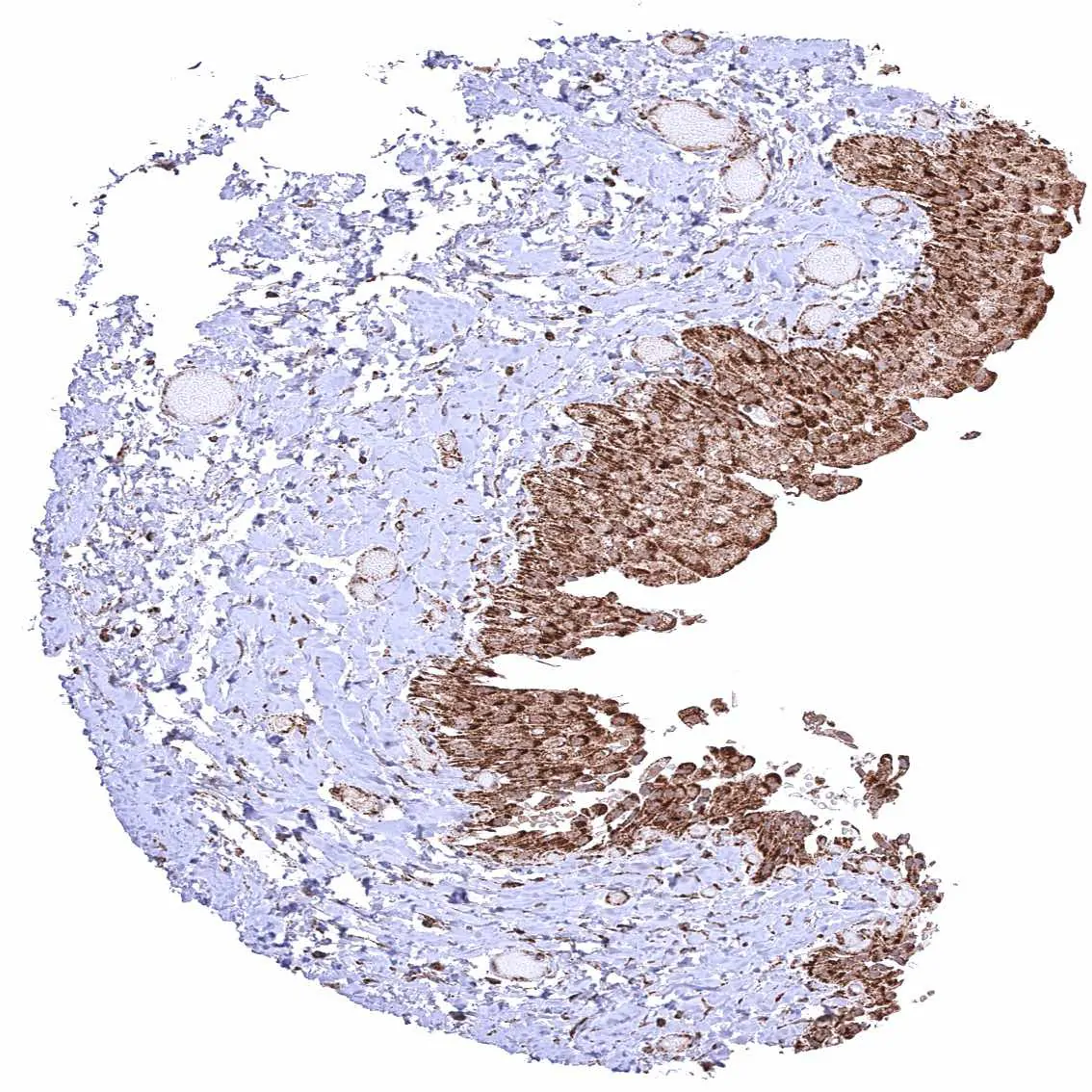
Urinary bladder, muscular wall

Urinary bladder, urothelium


Uterus, ectocervix – Distinct granular, perinuclear, cytoplasmic ATP5J staining in all cell types. The staining is least intense in superficial cell layers of non-keratinizing squamous epithelium.

Uterus, endocervix

Uterus, endometrium (pregnancy)

Uterus, endometrium (proliferation)


Uterus, endometrium (secretion)

Uterus, myometrium


| TOP |