 GeneTex
Human SAN-Cardiac Plexus Assembloids Model Neuro-Pacemaker Maturation
|
Cardiac rhythm is initiated by sinoatrial node (SAN) pacemaker cells and further shaped by intrinsic cardiac neural inputs. Although SAN dysfunction contributes to conduction disorders such as sick sinus syndrome, human models that capture SAN cellular heterogeneity, three-dimensional architecture, autonomic innervation, and pacemaker-to-atrial conduction remain limited.
|
|
A new study in Cell Stem Cell by Zhang et al. developed human PSC-derived SAN cardiac plexus assembloids to model innervation-associated maturation of pacemaker systems (1). The platform integrates SAN organoids, autonomic neuron-enriched cardiac ganglionated plexus organoids (CGPOs), and atrial-like cardiac organoids (COs), forming a tri-assembloid system that reconstructs key aspects of the neural-pacemaker-atrial conduction axis. The assembloids showed molecular, structural, and electrophysiological features consistent with human pacemaker tissue and enabled functional analysis of neural modulation, SAN automaticity, conduction dysfunction, and drug response. By combining assembloid-based assays with spatial transcriptomic mapping of human embryonic SAN tissue, the authors reveal a neuron-to-pacemaker signaling program in which CGPO-derived prosaposin (a GPR37 ligand) engages the SAN-enriched GPR37 GPCR to promote pacemaker maturation.
|
|
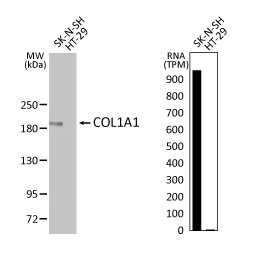
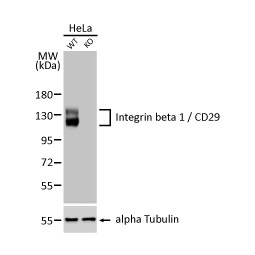
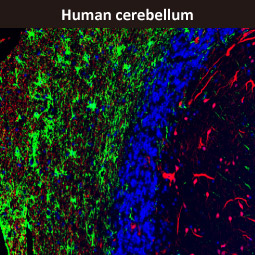
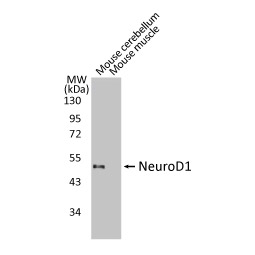
This study used GeneTex’s Synaptophysin antibody [GT2589] (GTX633972) in the characterization of synaptic vesicle-associated signaling within CGPO-derived neurons. GeneTex offers extensive catalogs of antibodies for stem cell and neuroscience research. Please see the featured products below and visit the GeneTex website for more information. |
|
Featured Products |
|
|
|
|
||||||||||||||||
Reference: