 GeneTex
Mito-TEMPO Restores Redox Homeostasis and Mitophagy in NPC1 Deficiency
Niemann-Pick type C (NPC) disease is a lysosomal storage disorder caused predominantly by NPC1 mutations, resulting in abnormal intracellular cholesterol trafficking, hepatic dysfunction, and progressive neurodegeneration. Beyond lysosomal lipid accumulation, NPC1 deficiency is associated with mitochondrial dysfunction, oxidative stress, and impaired autophagy.
A new study by Zhao et al. evaluated the mitochondria-targeted antioxidant Mito-TEMPO in NPC1-knockout (NPC1-KO) zebrafish and U18666A-treated HepG2 cells (1). Proteomic analysis identified reduced Sod2 expression in NPC1-KO zebrafish, accompanied by increased oxidative stress and impaired autophagic processes. Mito-TEMPO significantly improved early survival and reduced lipid and cholesterol accumulation, AST/ALT elevations, as well as reactive oxygen species (ROS) and malondialdehyde levels, while restoring Sod2 expression and mitophagy-associated changes in LC3B and Park2.
In HepG2 cells, Mito-TEMPO reduced cholesterol accumulation, mitochondrial dysfunction, oxidative stress, and apoptosis while increasing SOD2 expression. Mitophagic flux was restored together with PINK1/PARK2 signaling. SOD2 overexpression reproduced several protective effects, whereas SOD2 knockdown attenuated Mito-TEMPO responses, supporting a functional role for SOD2.
These findings support further investigation of Mito-TEMPO and SOD2-targeted strategies for early-stage NPC disease, particularly their effects on oxidative stress attenuation and Parkin-dependent mitophagy activation.
This study used GeneTex’s Sod2 antibody (GTX124294) to evaluate SOD2 protein expression by western blot analysis in zebrafish samples and intracellular flow cytometry in the NPC1-deficient cell model.
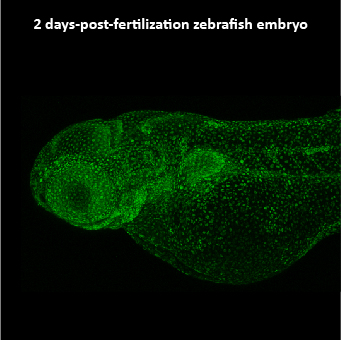
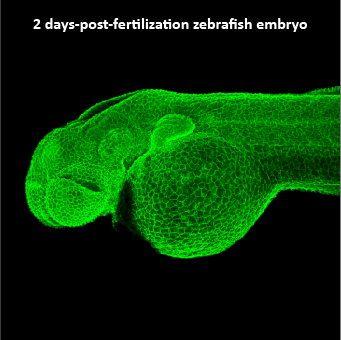
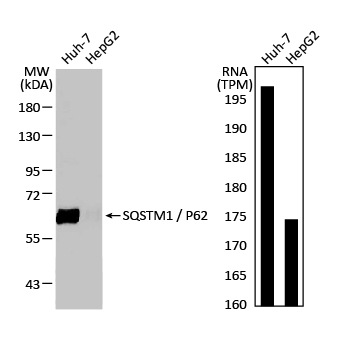
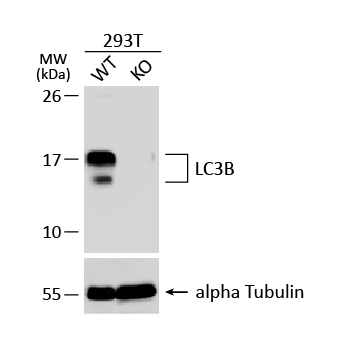
GeneTex offers a broad portfolio of antibodies for zebrafish, mitochondrial and autophagy research. Please explore the featured products below and visit the GeneTex website for more information.
|
Featured Products |
|
|
|
|
||||||||||||||||
Reference:
(1) Sci Adv. 2026 Aug 14;12(33):eaee0509. doi: 10.1126/sciadv.aee0509. Epub 2026 Aug 12.