 GeneTex
An Immune Evasion Mechanism in Disseminated Tumor Cells
|
Metastasis is the leading cause of mortality in solid malignancies, including triple-negative breast cancer (TNBC). Although cytotoxic lymphocytes can eliminate disseminated tumor cells (DTCs), a subset evades immune surveillance and initiates metastatic outgrowth. The molecular mechanisms enabling immune-resistant DTCs to persist during early metastatic colonization remain incompletely understood.
|
|
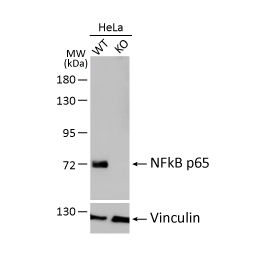
A recent Nature study identifies glucocorticoid receptor (GR; NR3C1) activation as a key immune-evasion program in DTCs (1). Transcriptomic and functional analyses revealed elevated GR activity in immune-resistant cells. Mechanistically, GR suppresses FAS death receptor expression via inhibition of NF-κB-dependent transcription, reducing susceptibility to FASL-mediated apoptosis by CD8+ T cells and natural killer cells. GR inhibition restored FAS expression, enhanced immune clearance, and reduced metastatic burden. Combination with anti-PD-1 therapy further improved elimination of micrometastases, highlighting the GR-FAS axis as a therapeutic target.
|
|
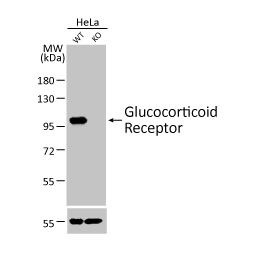
GeneTex’s Glucocorticoid Receptor antibody (GTX101120) was a key tool to validate GR activation at the protein level and support the proposed immune-evasion mechanism, providing direct evidence that GR is functionally activated during early metastatic seeding.
|
|
GeneTex offers highly validated antibodies for cancer biology and immunology research. Please check out the featured products below, and visit the GeneTex website for the most updated product listing relevant to your work. |
|
|
|
|
||||||||||||||||
 |
Reference: