 GeneTex
New Insights into Neuroendocrine-Tuft Lineage Plasticity in Small Cell Lung Cancer
 |
|
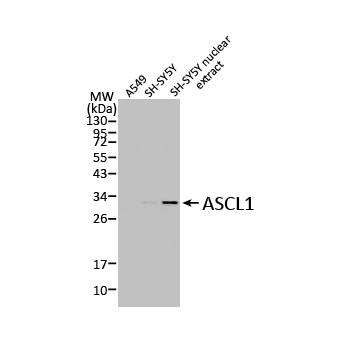
Neuroendocrine (NE) cancers are aggressive malignancies defined by lineage transcription factors such as ASCL1, with a tuft cell-like subset dependent on POU2F3. Small cell lung cancer (SCLC), a prototypical neuroendocrine tumor, is characterized by multiple subtypes (defined by being ASCL1+, NEUROD1+, POU2F3+, and perhaps YAP1+) and intratumoral subtype heterogeneity. While pulmonary neuroendocrine cells (PNECs) are thought to be the origin of SCLC, additional evidence indicates that stem-like lung basal cells can differentiate into PNECs and tuft cells. This ability of basal cells to manifest both NE and tuft tumor fates is compelling and potentially clinically relevant, yet the molecular details of this NE-tuft plasticity are murky.
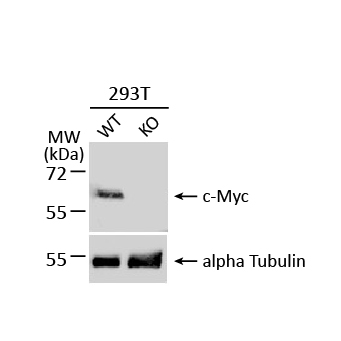
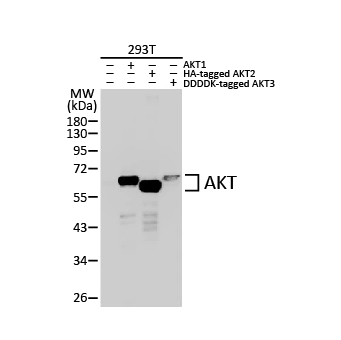
A new study in Nature by Ireland et al. investigates the mechanisms orchestrating neuroendocrine-tuft tumor heterogeneity and the genesis of tuft-like cancers in SCLC (1). Using cell-type-specific GEMMs, tumors were initiated from Krt5+/Trp63+ basal epithelial cells or PNECs. Basal-derived tumors reproduced the full SCLC transcriptional spectrum, including POU2F3+ tuft-like, neuronal, and ASCL1+ neuroendocrine states, whereas PNEC-derived tumors remained lineage-restricted. Single-cell RNA-seq and ATAC-seq revealed structured differentiation trajectories and increased chromatin accessibility at tuft-lineage enhancers in basal-origin tumors. MYC activation suppressed ASCL1-dependent programs and remodeled enhancer landscapes, while PTEN loss enhanced PI3K-AKT signaling to stabilize tuft identity and increase heterogeneity. These findings establish basal cells as a reservoir of multilineage competence and highlight MYC-driven chromatin remodeling as a key mechanism in SCLC subtype diversification.
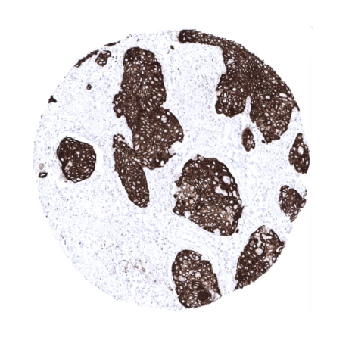
GeneTex’s Cytokeratin 5 antibody [2C2] (GTX60580) was used as a basal epithelial cell lineage marker for immunofluorescence and immunohistochemistry to identify and visualize Krt5+ basal epithelial cells in lung tissue sections and to confirm basal cell lineage in tumor specimens.
|
|
GeneTex is producing recombinant monoclonal antibodies with high specificity and reproducibility for cancer and cell biology research. Please check out the featured products below and visit the GeneTex website for a complete listing of antibodies and other reagents relevant to your work. |
|
|
|
|
||||||||||||||||
 |
 |
Reference: