 GeneTex
ECM Stiffening Links Testicular Aging and Testosterone Decline
 |
Age-related testosterone deficiency profoundly impacts men’s metabolic health and fertility as intrinsic Leydig cell (LC) dysfunction contributes to declining androgen levels. Much interest is being directed at factors that affect stem Leydig cell (SLC) homeostasis. One of these is the possible influence of changes in the extracellular matrix (ECM) in the testicular interstitium, which has been underexplored.
A recent Cell Reports study by Huang et al. (1) demonstrates that ECM stiffening is a major biomechanical factor driving testosterone decline. Using single-cell RNA sequencing, atomic force microscopy, and polyacrylamide stiffness models, the authors report increased ECM rigidity in aged mice testes with impaired SLC proliferation, differentiation, and androgen production. Mechanistically, elevated ECM stiffness results in an increased Piezo1-mediated Ca2+ influx that induces mitochondrial dysfunction in SLCs. This leads to excessive reactive oxygen species (ROS) formation and enhanced proteasomal degradation of the pivotal Hedgehog signaling transcription factor Gli1. Interestingly, pharmacologic inhibition of Piezo1 or ROS scavenging restored SLC function and testosterone synthesis. These findings highlight biomechanical aging as a driver of hypogonadism and position Piezo1-mediated mechanotransduction as a potential therapeutic target for restoring androgen balance.
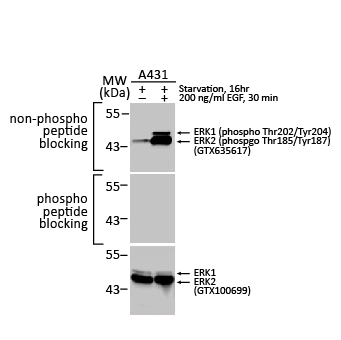
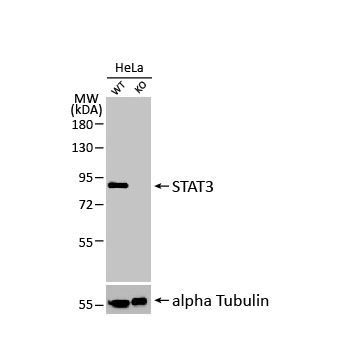
GeneTex is committed to developing antibodies that facilitate stem cell research, including the CYP11A1 antibody (GTX56293), SOX9 antibody [GT1219] (GTX01545) and DDX4 antibody [C1C3] (GTX116575) used in the Huang et al. study. To learn more about GeneTex’s antibodies and other reagents, please see the examples below and visit the GeneTex website.
|
|
|
|
||||||||||||||||

|
|
||||||||||